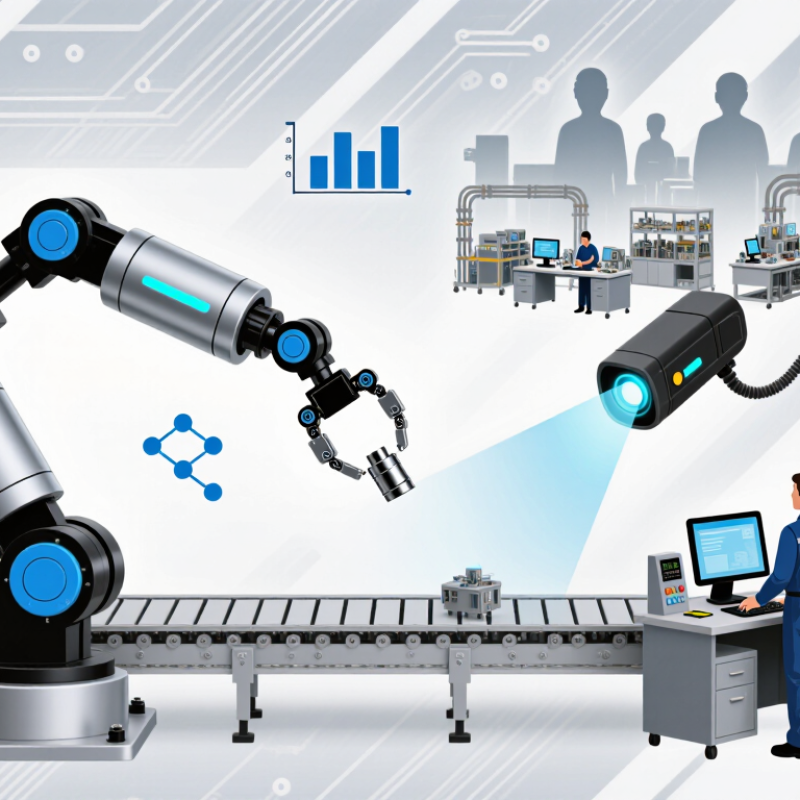
For global buyers, robotics automation is no longer a distant factory experiment. It is becoming a practical tool for improving output, consistency, and workplace safety. A robotic arm can place parts every 12 seconds, while machine vision checks small surface defects under steady lighting. These details matter when suppliers serve several markets with different quality expectations.
Rodney Brooks, robotics entrepreneur, MIT professor, and founder of iRobot and Rethink Robotics, once said, “The most important thing about robots is that they are physical.” His observation explains why robotics automation requires more than software selection. Buyers must examine floor space, worker training, maintenance access, energy use, and integration with existing equipment. A low-cost robot may still create expensive delays if technicians cannot service it locally.
The business case is often persuasive. Automation can support repeatable production, reduce ergonomic strain, and provide useful process data. Yet no system is perfect. Sensors can misread reflective materials. Grippers can struggle with irregular packaging. Forecasts can also exaggerate savings when installation downtime is ignored. Global buyers need evidence from real production trials, not impressive demonstrations alone.
Local support matters.
A reliable evaluation should compare total ownership costs, cybersecurity controls, spare-parts availability, and measurable performance over time. Buyers should also ask whether the system can adapt when product designs change. Robotics automation creates value when it fits people, processes, and commercial realities together. That fit is difficult. It is also where informed purchasing decisions begin.
Robotics automation in global procurement means using machines and intelligent software to manage repeatable purchasing work. It can collect supplier quotations, compare specifications, update purchase orders, and move materials inside warehouses. The goal is not to remove every human decision. It is to make routine decisions faster, clearer, and easier to audit.
In daily procurement operations, automation can monitor stock levels across several countries. It can flag unusual price changes, delayed shipments, or mismatched invoices. Digital systems also reduce manual data entry between sourcing, finance, logistics, and quality teams. That connection matters when buyers manage different currencies, time zones, languages, and documentation standards. A clear audit trail helps managers verify who approved a transaction and when.
Small details still matter. A robotic inspection system may detect damaged packaging before goods leave a facility. However, poor product data can produce confident mistakes. Automation is not a magic fix. Buyers must review supplier records, define approval limits, and test exception handling regularly. Human specialists remain important for negotiations, quality disputes, risk assessment, and decisions involving uncertain information. The difficult part is often not installing the technology. It is changing old workflows without creating new blind spots.
Global buyers are turning to robotics automation because production demands are changing quickly. They need stable output, shorter delivery times, and safer workplaces. A robotic system can repeat precise movements across long shifts. This matters when products require consistent welding, packing, inspection, or material handling.
In factory assessments, buyers often examine more than the machine itself. They review cycle time, energy use, maintenance access, operator training, and spare-part availability. Reliable suppliers should provide test data, safety documentation, and clear integration plans. Small details matter. A poorly positioned sensor can stop an entire line. Good automation also connects with existing equipment instead of forcing a costly replacement.
Cost remains important, but the lowest quotation may create hidden risks. Buyers should compare the full operating period, including installation, software updates, repairs, and training. A limited pilot can reveal weaknesses before a larger investment. Yet automation is not magic. Some teams underestimate floor-space changes or the time needed to adjust work procedures. Others trust projected productivity without checking real production records. That is where careful review becomes essential. Workers may also need practical training, not just a short demonstration. Global buyers are choosing robotics automation because it offers measurable control, but many still need to improve how they evaluate long-term reliability.
Global buyers increasingly examine robotics automation as a long-term operating decision. The main value is practical: lower unit costs, steadier quality, and higher productivity. A robotic arm can place components within a repeatable range throughout a long shift. It does not tire after thousands of cycles. This consistency helps reduce rework, material waste, and customer complaints.
Cost savings need careful measurement. Buyers should compare equipment, integration, training, maintenance, energy use, and downtime. The first estimate may be wrong. A lower purchase price can hide expensive tooling or difficult servicing. A stronger evaluation reviews production data, cycle times, spare-part access, and operator safety procedures. Payback should be calculated from verified output, not optimistic sales claims.
Quality also improves when automation controls motion, pressure, temperature, or inspection steps. Digital records can help teams trace defects and identify process changes. Productivity rises when robots handle repetitive tasks while trained employees manage setup, problem-solving, and quality decisions. People still matter. Poorly planned automation can create bottlenecks, especially when workers lack technical training. Global buyers should test the complete workflow before approval, including changeovers, software updates, maintenance access, and unexpected stops. Automation is powerful, but it requires disciplined planning.
Why Is Robotics Automation Important for Global Buyers?
For global buyers, robotics automation can improve production speed, consistency, and workplace safety. Yet the supplier matters as much as the robot itself. A polished demonstration can mislead. The real test is daily performance on your production floor.
Evaluate the supplier’s engineering depth before comparing prices. Ask for cycle-time data, accuracy results, and failure records from similar applications. Request a live test using your materials, product sizes, and packaging conditions. Check whether the supplier can connect robots with existing machines, sensors, software, and quality systems. Integration problems often create hidden costs. They also delay production.
Safety and compliance require careful evidence. Review risk assessments, guarding designs, emergency controls, and regional certification support. Ask who handles documentation when equipment crosses borders. Reliable suppliers explain these details clearly. They do not promise everything instantly. Examine training plans, spare-parts availability, remote support, and technician response times. Visit a working installation if possible. Speak with operators, not only managers. Their comments may reveal noise, maintenance difficulty, or frequent adjustments. These details are easy to miss.
Total cost includes installation, programming, energy use, maintenance, upgrades, and downtime. A cheaper proposal may become expensive after one year. Still, the highest quotation is not automatically the safest choice. Supplier stability, cybersecurity practices, warranty terms, and future expansion plans deserve equal attention. Evaluation is rarely perfect. Leave room for uncertainty, record assumptions, and challenge impressive claims with measurable evidence.
Robotics automation matters to global buyers because it can stabilize output, improve safety, and reduce repetitive labor. The International Federation of Robotics reported 541,302 industrial robots were installed worldwide in 2023. Yet adoption across borders is rarely plug-and-play. A machine proven in one factory may struggle elsewhere.
Voltage, floor space, climate, and production layouts can change the business case. Buyers must also check local safety rules, import procedures, spare-part duties, and technician availability. A robotic cell may arrive on time but remain idle for weeks without trained support. Small delays become expensive.
Data integration is another concern. Different sites may use incompatible software, sensors, or maintenance systems. Cybersecurity controls must protect production data across suppliers and regions. The World Economic Forum’s Future of Jobs Report 2023 found that 44% of workers’ skills could be disrupted within five years. Training cannot be treated as an optional budget line.
The numbers can mislead.
A strong return-on-investment model should include installation, downtime, energy use, maintenance, and retraining. Buyers should test one realistic workflow before scaling. This approach feels slower, but it exposes weak assumptions early. Even experienced procurement teams sometimes overestimate immediate savings and underestimate local service complexity.