Top 10 Collaborative Robots Transforming Industries Today?
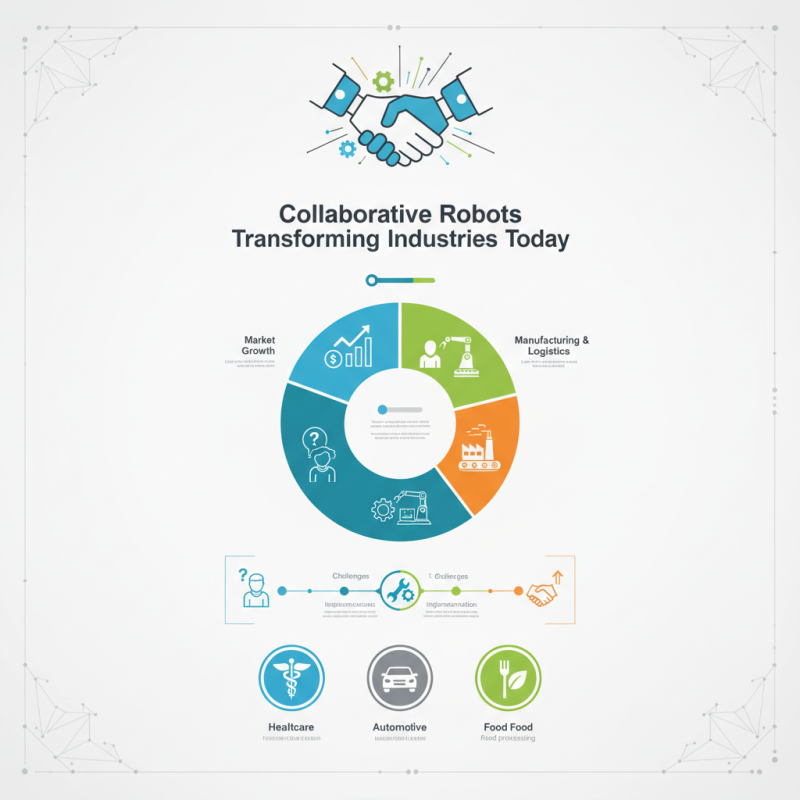
Collaborative robots, or cobots, are reshaping various industries by enhancing productivity and fostering seamless human-robot interaction. According to the International Federation of Robotics, the collaborative robot market is expected to reach $12 billion by 2025, reflecting an accelerated adoption across sectors. This growth is driven largely by the increasing demand for automation in manufacturing and logistics. As Chris McMorrow, a renowned robotics expert, noted, "Collaborative robots are designed to work alongside humans, boosting efficiency without replacing jobs."
These advancements come with challenges that require careful consideration. While cobots enhance operational efficiency, companies must address workforce training needs and safety protocols. A report from Gartner indicates that 70% of organizations struggle with integrating these technologies effectively. The initial phase can be tough, as workers might resist the change or feel threatened by automation. Striking a balance between technology and human involvement remains a critical focus for many industries.
The potential for collaborative robots is immense. Industries like healthcare, automotive, and food processing are already witnessing significant transformations. Yet, careful reflection is vital. The success of these innovations relies on thoughtful implementation and the continuous evaluation of human-robot collaboration dynamics. The journey to widespread adoption is complex, but the opportunity it presents is promising.
The Rise of Collaborative Robots in Manufacturing: Key Statistics
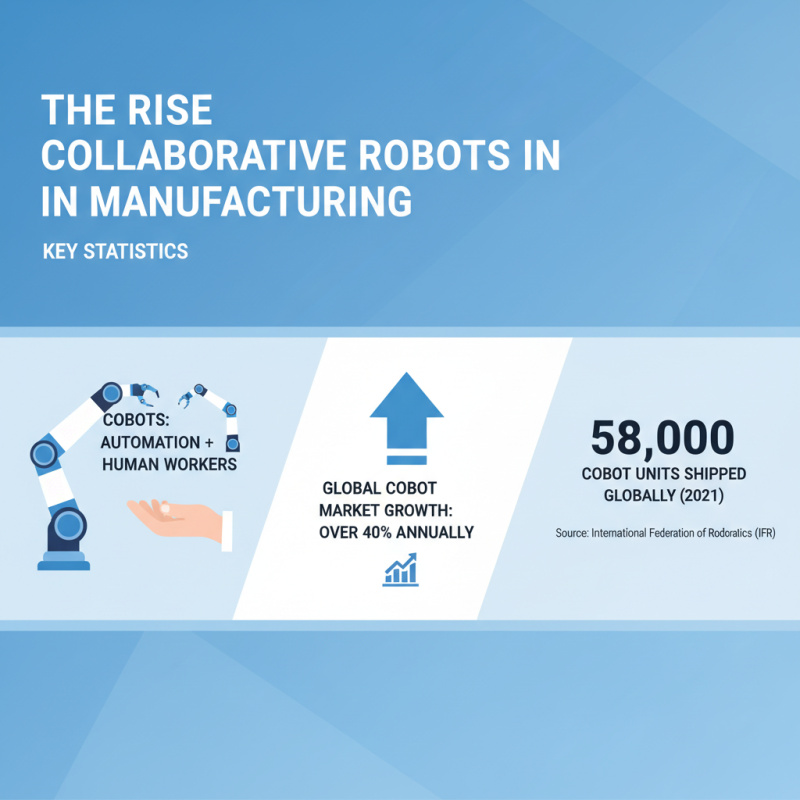
The rise of collaborative robots, or cobots, marks a significant shift in manufacturing processes. According to a report by the International Federation of Robotics, the global cobot market is projected to grow by over 40% annually. In 2021, the shipment of cobots reached approximately 58,000 units, showing a strong trend towards automation that complements human workers rather than replaces them.
One key statistic highlights that 65% of manufacturers report enhanced productivity after integrating cobots. This leads to more efficient workflows and faster production times. However, concerns remain about the impact of automation on job security. While cobots can relieve humans from repetitive tasks, they do require training and adjustment periods. Companies must invest in employee education to maximize the benefits of these technologies.
Moreover, while cobots excel in environments requiring flexibility and safety, they are not a one-size-fits-all solution. Not every production line can seamlessly integrate these robots. In some cases, the complexity of the tasks or existing equipment can pose challenges. Recognizing these limitations is essential for companies looking to leverage cobot technology effectively.
Healthcare Innovations: How Collaborative Robots Enhance Patient Care
Collaborative robots, or cobots, are making significant strides in healthcare. They assist medical professionals by managing repetitive tasks. This allows doctors and nurses to focus more on direct patient care. According to a report from the International Federation of Robotics (IFR), the healthcare industry is projected to see a 15% compound annual growth rate (CAGR) in the adoption of robotics over the next five years.
In rehabilitation settings, cobots are enhancing therapy outcomes. They provide consistent support to patients during exercises. A study published in the Journal of NeuroEngineering and Rehabilitation found that patients using robotic-assisted therapy showed a 20% improvement in motor function compared to traditional methods. However, not all patients respond positively to robotic interventions. Sometimes, personalized strategies are needed to ensure patient comfort and engagement.
Safety also remains a key concern. When integrating cobots into surgical environments, the risk of malfunctions or programming errors requires thorough training and monitoring. Some healthcare facilities struggle to balance high-tech solutions with the need for human touch. Ensuring that cobots complement rather than replace human interaction is vital for effective patient care.
Collaborative Robots in Logistics: Streamlining Supply Chain Operations
Collaborative robots, or cobots, are revolutionizing logistics by enhancing supply chain operations. These robots work alongside human workers, improving efficiency and safety. For example, they can manage repetitive tasks like sorting and packing items. This frees up employees for more complex roles, allowing for greater overall productivity.
In warehouses, cobots communicate with each other. They share information about inventory levels and shipments. This real-time data helps streamline operations and minimizes errors. Workers find that cobots reduce fatigue.
However, implementing these robots is not without challenges. Training is essential to ensure smooth human-robot collaboration.
The integration of cobots also raises questions about job displacement. While they can improve productivity, some fear they may replace human roles. It's crucial to maintain a balance. Evaluating the impact on the workforce is necessary. Successful implementation demands thoughtful consideration of both technology and human elements.
The Impact of Collaborative Robots on Retail Efficiency and Customer Experience
Collaborative robots, or cobots, are reshaping the retail landscape, enhancing both efficiency and customer interactions. According to a recent report by the International Federation of Robotics, the deployment of cobots in retail has increased by 30% in the last two years. This surge reflects a growing need for automation in stores facing labor shortages and rising operational costs.
These robots assist with various tasks, from inventory management to product restocking. For instance, a survey by PwC indicates that 63% of retailers using cobots have improved their inventory accuracy by 20%. This accuracy helps minimize stockouts and overstock situations, which can lead to lost sales or wasted resources. However, not all are convinced. Some employees express concerns about job security and the impersonal nature of automated interactions.
Customer experience has also evolved with cobots. They are designed to engage with shoppers, providing information and assistance in real-time. A report from McKinsey suggests that retailers using cobots report a 15% increase in customer satisfaction. Yet, this reliance on automation can lead to frustration if systems fail or if customers feel they lack human interaction. Balancing technology and personal touch is crucial for future success in retail.
Future Projections: Market Growth and Adoption Rates of Collaborative Robots
The future of collaborative robots, or cobots, looks promising as industries strive for greater efficiency and flexibility. Recent projections indicate a significant rise in market growth, driven by their unique ability to work alongside humans. Various sectors, including manufacturing, healthcare, and agriculture, are increasingly embracing these technologies. Coupled with the shift towards automation, adoption rates are surging, reflecting a clear trend toward integration in daily operations.
However, this rapid growth brings challenges. Companies often face hurdles in training staff to work effectively with cobots. There can be resistance to change, as some employees may fear job displacement. Moreover, ensuring the safety and reliability of cobots in high-demand environments remains a critical concern. As industries advance, it will be essential to address these issues. Balancing innovation with employees’ needs can lead to a more harmonized future in human-robot collaboration.