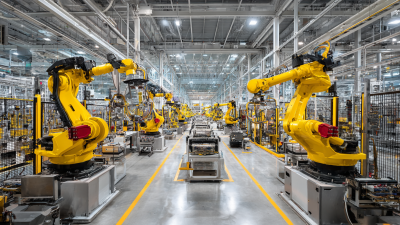
China Top 10 Advanced Robotics Innovations Reshaping the Future?
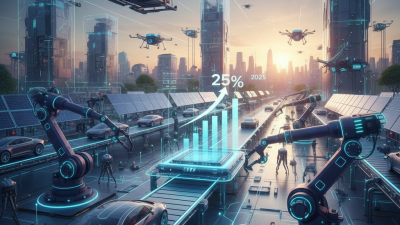
The rapid advancement in robotics is transforming industries worldwide. Recent reports indicate that the global advanced robotics market is expected to reach $70 billion by 2028. This reflects a compound annual growth rate (CAGR) of around 26%. China's investments in robotics are pivotal to this growth. The government's support for innovative technologies is creating a thriving ecosystem.
Advanced robotics in China is not just about automation but also about enhancing human capabilities. Companies are developing robots that can perform intricate tasks, improving efficiency in sectors like manufacturing and healthcare. For instance, collaborative robots (cobots) are increasingly used in assembly lines, working side by side with human workers. These innovations are vital for addressing labor shortages and boosting productivity.
However, challenges remain. The integration of advanced robotics may lead to job displacement. Workers must adapt to new roles that require different skill sets. Striking a balance between technological progress and workforce adaptability is crucial. Ultimately, the innovations in advanced robotics are reshaping the future, but careful consideration of their impacts is necessary to navigate potential pitfalls.
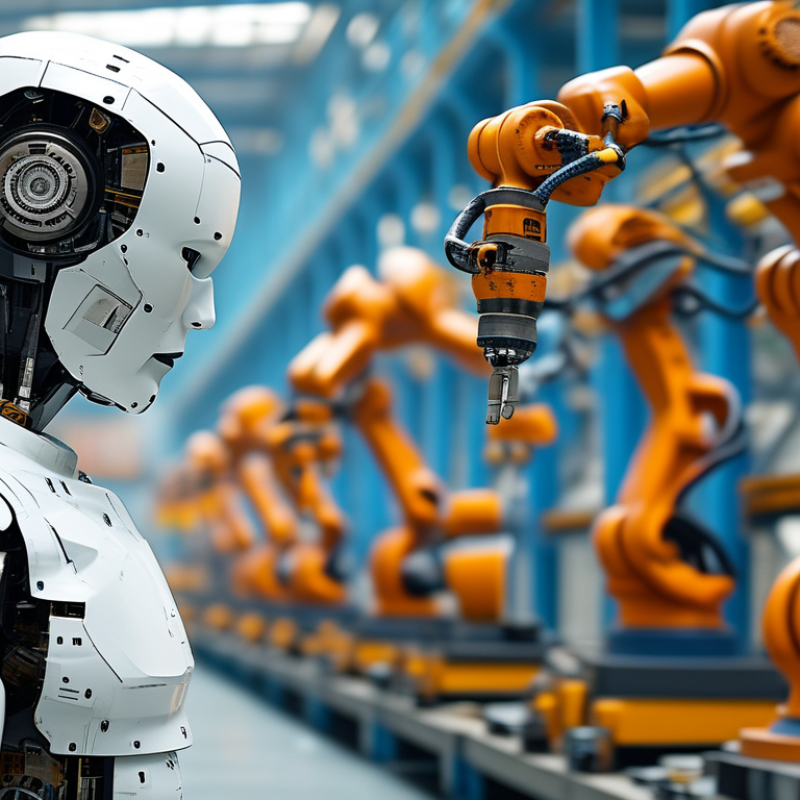
China's Robotics Industry Landscape: An Overview of Innovations
China is at the forefront of robotics innovation. The country is rapidly changing the landscape with advanced technologies. Significant advancements include AI integration and enhanced automation capabilities. These innovations are reshaping industries like manufacturing and healthcare. Factories now employ robots for precision tasks, improving efficiency. Hospitals utilize robotic systems for surgeries, enhancing accuracy and reducing recovery time.
Challenges remain in this evolving field. There are concerns regarding safety and job displacement. As robots take over repetitive tasks, the workforce must adapt. Skills training is essential to equip workers for new roles. Ethical considerations also arise with AI decision-making. Balancing innovation with societal impacts is crucial for sustainable progress.
Innovation is not without its flaws. Some robots struggle with complex environments. They require constant updates and maintenance. The technology landscape is unpredictable, and reliance on robotics can lead to vulnerabilities. Continuous evaluation of these innovations is necessary to ensure they serve humanity effectively. Embracing robotics while addressing these challenges will shape China's future.
Pioneering Technologies in Autonomous Robotics: Key Developments
China is rapidly becoming a leader in autonomous robotics. Recent studies indicate that the robotics market is expected to reach $74 billion by 2025, highlighting significant advancements. These innovations are influenced by factors like artificial intelligence and machine learning. They enhance the capabilities of robots, allowing them to perform complex tasks.
Pioneering technologies have emerged in sectors such as agriculture, healthcare, and manufacturing. For example, autonomous drones are increasingly used for crop monitoring and precision farming. A report from the International Federation of Robotics indicates that industrial robot installations in China accounted for 36% of global installations in 2021. This statistic illustrates the nation's commitment to automation.
Despite these advancements, challenges remain. Issues related to safety and ethical use are frequently debated. For example, the automation of jobs raises concerns about employment. Companies must balance innovation with the potential impact on the workforce. Continuous feedback and adjustments to technologies are necessary for a smooth transition. These factors will shape the future landscape of advanced robotics in China.
China's Top 10 Advanced Robotics Innovations Reshaping the Future
Cutting-Edge Applications: Transforming Industries with Robotics
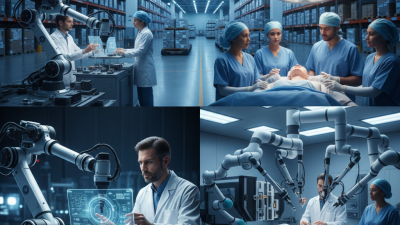
Robotics is transforming various industries in China, driving innovation and efficiency. In healthcare, robots assist in surgeries, allowing for greater precision. Surgical robots can perform minimally invasive procedures. This reduces recovery times and hospital stays.
In manufacturing, collaborative robots work alongside humans on assembly lines. They enhance productivity and safety. Workers feel empowered, but there are concerns about job displacement. Balance is critical.
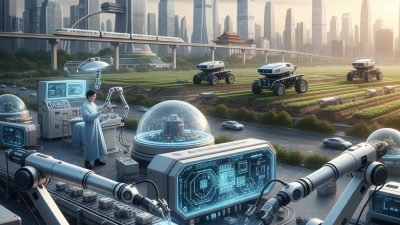
In agriculture, drones and automated machinery optimize crop management. They analyze fields for soil health and pests. Farmers can evaluate conditions rapidly, improving yields. Nonetheless, there are challenges. Not every farmer can afford such technology. Financial barriers hinder widespread adoption. Education and training are essential for effective use of these innovations.
Logistics is another area experiencing transformation. Autonomous vehicles streamline deliveries, reducing errors and costs. However, routes require constant monitoring. Traffic complexities can disrupt operations. Engineers must address these unpredictabilities. The integration of robotics into different sectors presents a promise but also raises questions. How do we ensure equitable access to these advancements? Reflecting on these issues is vital for shaping the future of robotics in China.
Challenges and Opportunities in China's Robotics Innovation Space
China's robotics innovation landscape is full of
challenges and opportunities. The rapid pace of technological advancement has led to a surge in research and development. However, significant hurdles remain. For instance, integrating AI into robotics is complex. Companies often face
funding issues. These constraints can slow down progress and limit potential breakthroughs.
Opportunities abound in various sectors such as
manufacturing and healthcare. Robotics can enhance efficiency and reduce costs. Yet, the workforce's readiness is a critical concern. Many workers need training to adapt to this new technology. This skills gap presents an area for growth. Addressing it effectively is vital for future advancements.
Additionally, ethical considerations in robotics can't be overlooked. As robots become more autonomous, questions arise about decision-making processes. Developers need to establish clear guidelines. Transparency is essential to build public trust. The path forward must balance innovation with responsibility.
Engaging with diverse stakeholders will be crucial.
The Future of Robotics: Insights into Upcoming Trends and Directions
The future of robotics is rapidly evolving, driven by innovations from China. According to the International Federation of Robotics (IFR), the global market for industrial robots is projected to reach $210 billion by 2025, showing a staggering growth of 14% annually. This growth indicates a shift towards automation across various sectors.
Innovative technologies are leading this transformation. For instance, advancements in AI integration are enabling robots to perform complex tasks with higher reliability. A recent report highlighted that over 50% of manufacturers plan to increase their investment in autonomous robots in the next five years. These trends emphasize the necessity for industries to adapt quickly to survive.
Tips: Consider the ethical implications of automation. While robotics enhances efficiency, employment may be affected. Embrace ongoing training and development to align workforce skills with technological advances.
While the promise of increased productivity is exciting, challenges persist. Not all companies are equipped to implement these technologies. The disparity in access to robotics can lead to uneven growth. Addressing these gaps will be crucial for a balanced future.