Top Automation Machines from China for Global Buyers?
In recent years, the global market has witnessed a rapid rise in demand for automation machines. These machines, celebrated for their efficiency and precision, are transforming various industries. China, known for its manufacturing strength, has become a hub for innovative automation solutions. Buyers worldwide are increasingly turning to Chinese suppliers, seeking advanced technology at competitive prices.
Automation machines can enhance productivity and reduce operational costs significantly. They enable businesses to streamline processes and minimize human errors. However, not all machines meet the same standards. It's crucial for buyers to carefully evaluate features and reliability. Some products may promise high performance but fail in practical applications, leading to unexpected challenges.
Investing in the right automation machine can be a game-changer. It requires thorough research and understanding of different manufacturers. Buyers should consider factors like service support and warranty. Making informed decisions will ensure that the chosen automation machines align with specific operational needs.
Top Automation Machines from China: Market Overview and Trends
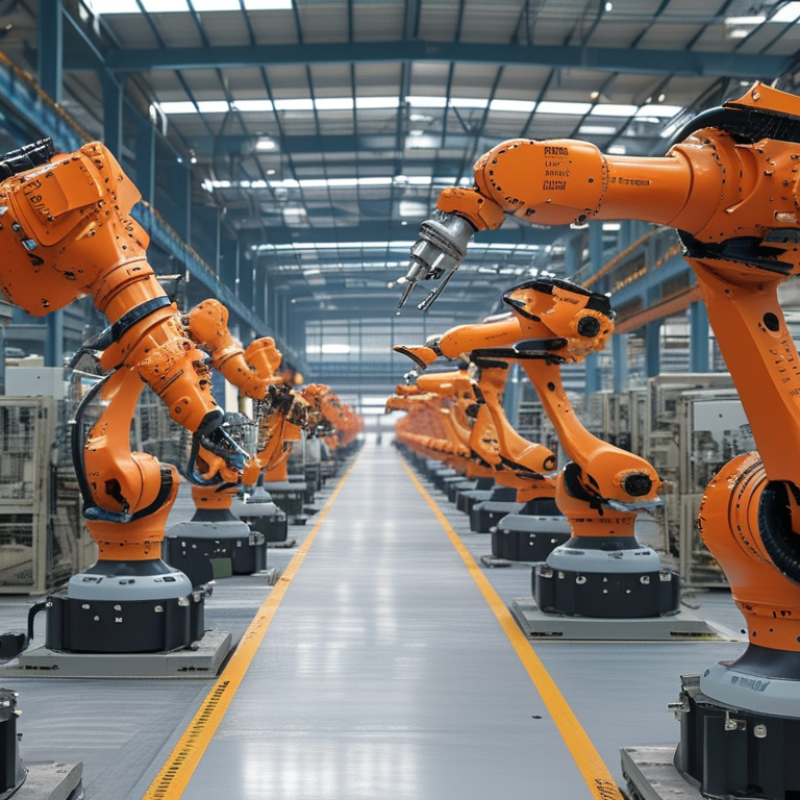
China's automation machinery market is rapidly evolving, catering to global needs with innovative solutions. Advanced technology is a driving force behind this trend. Many factories are modernizing to improve efficiency and reduce labor costs. Automated systems are now integral in various sectors, such as manufacturing and logistics. These machines enhance precision and speed.
Despite the growth, challenges remain. Quality control is crucial. Not all manufacturers achieve consistent standards. Buyers should conduct thorough research before making decisions. Understanding the technology used is essential. It's important to assess the specific needs of your operations to make informed purchases.
Current trends show a shift towards smart automation. Integration with AI and IoT is becoming commonplace. This evolution promises higher productivity and enhanced data analysis. However, reliance on advanced technologies can introduce vulnerabilities. It’s vital to consider training for staff. As automation permeates industries, maintaining a balance between technology and human expertise is key.
Key Features and Innovations in Chinese Automation Technology
Chinese automation technology is rapidly evolving. It boasts impressive features and remarkable innovations. One standout aspect is energy efficiency. Many machines consume less power while delivering higher output. This can significantly reduce operational costs for global buyers.
Another notable feature is adaptability. Chinese manufacturers design their automation machines to meet diverse industry needs. This flexibility allows companies to customize machines for specific tasks. Advanced AI integration further enhances productivity. Machines can learn and optimize their operations, leading to improved performance over time.
However, there are challenges. Many buyers grapple with quality consistency. Not every product meets high standards. Additionally, after-sales support may vary. These factors are essential for buyers to consider. Identifying reliable suppliers plays a crucial role in successful procurement.
Leading Chinese Manufacturers and Their Global Market Impact
China has become a powerhouse in the automation machinery sector. Many Chinese manufacturers are leading the way in innovative technologies and efficient production methods. These advancements have not only fueled local industries but also grabbed the attention of global buyers seeking high-quality automation solutions.
The global market impact of these manufacturers is significant. They leverage advanced robotics, artificial intelligence, and IoT technologies. These capabilities help to boost productivity and reduce costs. However, the rapid pace of innovation often raises concerns about quality control and sustainability. Buyers must carefully evaluate these aspects before making decisions. Understanding the balance between cost and reliability is essential for smart investments.
Many manufacturers are also expanding their reach into international markets. This trend presents both opportunities and challenges. While they can offer competitive pricing, some buyers may face difficulties in after-sales support. Ensuring consistent communication and understanding local regulations are crucial for successful partnerships. Ultimately, buyers must navigate this complex landscape with informed choices.
Case Studies: Successful Deployments of Chinese Automation Machines
Chinese automation machines have gained traction among global buyers for their efficiency and innovative technology. Various industries have successfully integrated these machines, showcasing their effectiveness and adaptability. One notable case study involved a manufacturing plant that reduced operational costs by 30% after implementing fully automated assembly lines. This shift not only increased production speed but also improved product quality.
In another instance, a logistics company adopted automated warehousing solutions. Despite initial hurdles in adapting to new technology, the outcome was significant. They experienced a 50% increase in order fulfillment rates within six months. Training staff to work alongside automation systems posed challenges, but ongoing education mitigated these issues.
Such deployments highlight both success and reflection. While automation shows promise, it’s essential to address workforce concerns and ensure smooth transitions. As automation technology evolves, continuous evaluation and adjustment will be crucial for long-term success. Companies must remain vigilant and adaptive to harness the full potential of these machines.
Future Predictions for China's Automation Machine Exports and Demand
China's automation machine exports are poised for significant growth in the coming years. As demand for efficiency in manufacturing rises globally, buyers are increasingly turning to Chinese solutions. The country offers a wide range of automation machinery, from robotics to production line equipment. These machines enhance productivity and streamline processes. Global industries are looking for innovative technologies to remain competitive. China's ability to produce at scale allows it to meet these demands effectively.
However, potential buyers face challenges. Quality control can vary significantly across producers. It's crucial for buyers to conduct thorough research before purchasing. Understanding the specific requirements of their industry is essential. While the options are vast, not all machines will meet rigorous international standards. This inconsistency raises questions about reliability.
Interestingly, buyer preferences are shifting. There's a trend toward sustainable and energy-efficient automation solutions. Many companies are more informed about their choices. They are seeking not only cost-effective solutions but also environmentally responsible options. This reflects a broader movement towards sustainability in global manufacturing. Collaborations between Chinese manufacturers and international firms may become vital in navigating these complexities.