What is a Robot Machine and How Does It Work?
In today's technological landscape, the "robot machine" has become a focal point of innovation. These machines are designed to perform tasks that typically require human intervention. From industrial automation to personal assistance, they are transforming multiple sectors. Understanding how a robot machine works involves exploring its components and functionalities.
Robot machines consist of hardware and software that synergize to carry out specific functions. Sensors gather data about the environment. Actuators enable movement and response. The integration of artificial intelligence allows these machines to learn and adapt. This complexity raises questions about their efficiency and reliability. While they offer precision, there are challenges in programming and maintenance.
As more industries adopt robot machines, the ethical implications and potential job displacement cannot be overlooked. These innovations promise a new era but also require careful consideration. A blend of excitement and caution is essential as we embrace this technology. Understanding the robot machine's workings is crucial for navigating its impact on our future.
Definition of Robot Machines and Their Key Characteristics
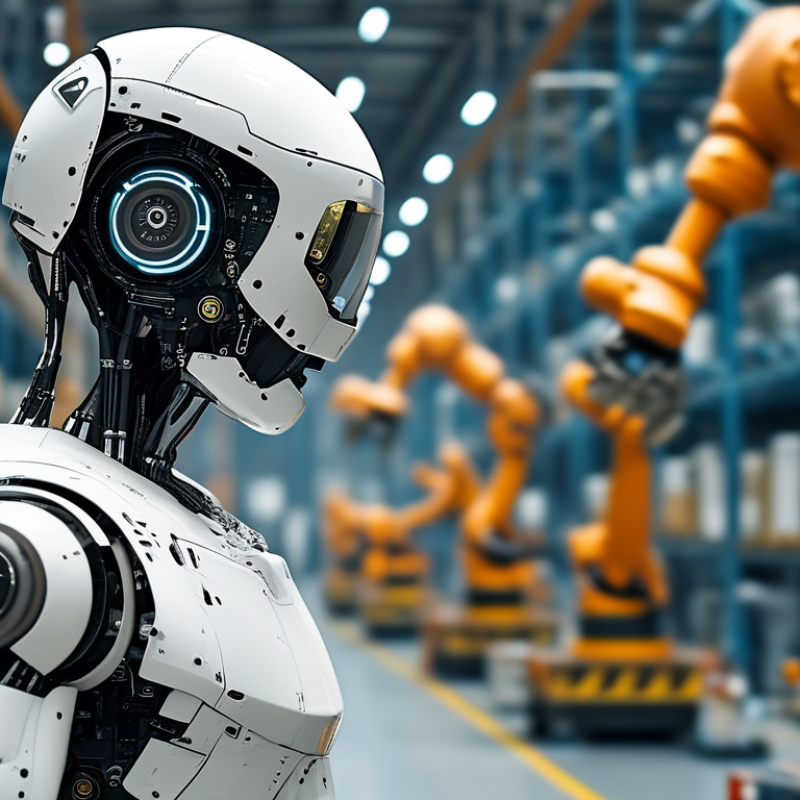
Robot machines are integral components of modern technology, designed to automate tasks that are either repetitive or hazardous. They possess key characteristics that define their functionality. Typically, a robot machine combines advanced sensors, motors, and software to perceive its environment and perform specific actions.
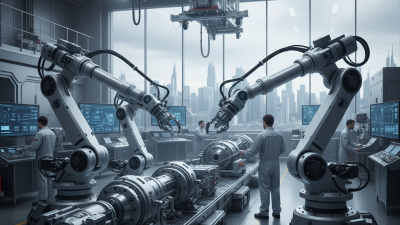
For instance, industrial robots often excel in manufacturing, handling heavy materials with precision and speed.
One notable feature of robot machines is their programmability. Users can input various codes to dictate the robot’s behavior. This allows for flexibility in tasks, but it also raises challenges.
Inefficiencies might arise if programming errors are overlooked. Furthermore, the reliance on sensors can lead to performance issues in unpredictable environments, highlighting the need for continuous improvement in robotic technology.
The interaction between human operators and robot machines is another vital aspect. While robots can enhance productivity, mistakes can occur. For example, an operator might misinterpret a robot’s movement, leading to accidents. This reality sparks discussions on the importance of training for both the machines and their human counterparts, emphasizing the need for awareness of their capabilities and limitations.
Types of Robot Machines: Industrial, Service, and Collaborative Robots
Robot machines come in various forms, each designed to fulfill specific tasks.
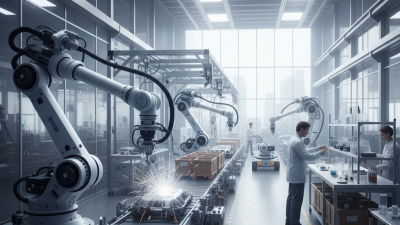
Industrial robots are prevalent in manufacturing settings. They are often tasked with repetitive jobs like welding, painting, and assembly. These machines can significantly boost productivity. However, they require careful programming and maintenance to function efficiently. A breakdown in an industrial robot can halt production lines, causing delays.
Service robots, on the other hand, assist humans in everyday tasks. They may be found in hospitals, restaurants, or homes, providing services ranging from cleaning to delivering items. These robots often interact with people. They must navigate complex environments, which can lead to challenges in their design and operation. While they can alleviate workloads, users must remain cautious. Dependence on service robots could lead to issues if the technology fails.
Collaborative robots, or cobots, work alongside humans. They are designed to enhance human capabilities rather than replace them. Cobots are often more flexible, adapting to various roles within a workspace. However, they can pose safety risks if not properly implemented. The balance between human and machine is delicate. Companies must ensure proper training for workers to maximize the benefits of collaborative robots. This oversight may sometimes be overlooked.
Core Components and Technologies Behind Robot Functionality
Robots are complex machines that rely on several core components and technologies to perform tasks. These include sensors, actuators, controllers, and power supplies. According to a report by the International Federation of Robotics, the global robotics market is expected to grow by 26% annually, reaching over $200 billion by 2026. This tells us the importance of constantly advancing these components.
Sensors are critical for robots. They gather real-time data from the environment, enabling robots to make informed decisions. For instance, cameras and LiDAR systems help in navigation and obstacle detection. However, sensor data can be noisy, which may lead to inaccuracies in robot perception. This is a challenge that engineers are continually addressing.
Actuators bring robots to life. They convert energy into motion. Yet, the energy source can impact efficiency and performance. Power supplies can be battery-operated or wired, each having its pros and cons. Battery life is often a limiting factor in mobile robots. Companies are investing in improving energy efficiency to combat this limitation. Overall, robotics is a rapidly evolving field, but questions about reliability and efficiency remain central to its advancement.
Core Components of Robot Machines
This chart illustrates the core components of robot machines along with their importance levels. Sensors and controllers score high in importance, indicating their crucial roles in robotics functionality.
How Robot Machines Process Information and Execute Tasks
Robot machines are designed to mimic human actions and decision-making. They process information using a blend of sensors, software, and algorithms. Sensors gather data about the environment. This data is processed to understand the conditions and make informed decisions.
For example, a robot vacuum collects information about the layout of a room. It detects obstacles and adjusts its path accordingly. This requires efficient data processing and real-time adjustments. The algorithms used can learn from past experiences, improving performance over time.
Tips: Always consider user feedback. This can guide improvements in robot efficiency. Maintenance is also crucial. Regular updates can enhance a robot's software capabilities.
Robot machines also confront challenges. Complex environments can confuse sensors. They may misinterpret data, leading to errors. Continuous learning is essential to overcome such issues. Robots need specific training to adapt effectively. This highlights the importance of designing flexible algorithms.
Applications of Robot Machines in Various Industries and Everyday Life
Robot machines are transforming various industries and enhancing everyday life. In manufacturing, for example, they improve efficiency and accuracy. According to a report from the International Federation of Robotics, global sales of industrial robots reached a record high of 465,000 units in 2021, indicating a growing reliance on automation. These machines streamline production processes, reduce human error, and lower costs.
In healthcare, robot machines assist in surgeries and patient care. They enhance precision in surgical procedures, minimizing recovery time. A study published in the Journal of Robotic Surgery noted a 25% decrease in surgical complications when robot-assisted techniques were utilized. This trend underscores the potential of robots to improve patient outcomes.
**Tips:** When considering automation, evaluate your specific needs. Understand how robot machines can fit into your workflow. Adaptation may require training and a cultural shift in the workplace. Additionally, be mindful that reliance on automation can sometimes lead to job displacement. Strive for a balance that leverages technology while valuing human expertise.
What is a Robot Machine and How Does It Work? - Applications of Robot Machines in Various Industries and Everyday Life
| Industry |
Application |
Type of Robot |
Benefits |
| Manufacturing |
Assembly Line Automation |
Industrial Robots |
Increased efficiency, reduced labor costs |
| Healthcare |
Surgery Assistance |
Surgical Robots |
Higher precision, shorter recovery times |
| Agriculture |
Crop Harvesting |
Agricultural Robots |
Increased yield, reduced environmental impact |
| Logistics |
Warehouse Automation |
Autonomous Mobile Robots |
Faster order processing, improved inventory management |
| Service |
Customer Service |
Service Robots |
Enhanced customer experience, 24/7 availability |
| Entertainment |
Robotic Toys and Companions |
Consumer Robots |
Engaging interactions, educational benefits |