2026 Best Robot End of Arm Tooling Solutions for Buyers?
In the rapidly evolving landscape of automation, finding the right robot end of arm tooling solutions has become paramount for buyers. As industries embrace robotics for enhanced efficiency, selecting the appropriate tooling can significantly impact performance. These tools are crucial for tasks ranging from picking and placing to complex assembly operations.
The diversity of applications requires specialized knowledge in tool selection. Buyers must consider factors such as weight handling, material compatibility, and operational speed. Each decision can affect automation outcomes. With numerous options available, navigating this market can be challenging. Discussions with industry experts can provide valuable insights into the best practices.
Buyers should also be aware of the common pitfalls. Many overlook the importance of ongoing support and customization options. Investing in quality robot end of arm tooling can lead to substantial long-term benefits. It is essential to evaluate both current needs and future scalability. This careful consideration will ensure that businesses choose the most effective solutions for their automation goals.
Overview of End of Arm Tooling Solutions Available in 2026
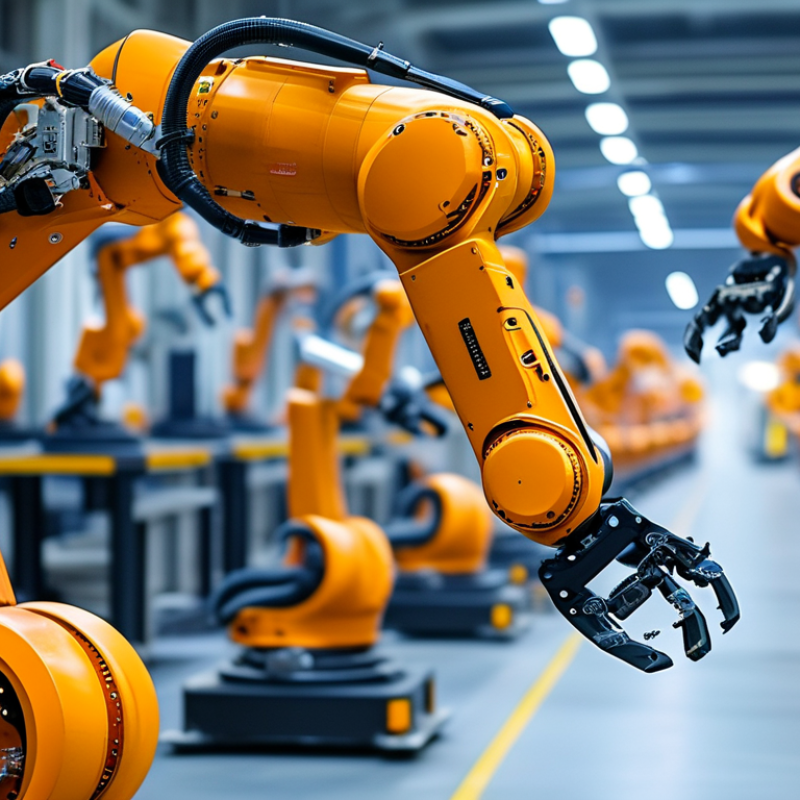
As industries advance, the end of arm tooling (EOAT) solutions in 2026 are becoming more diverse and specialized. Robotics are evolving rapidly. This means that EOAT is adapting to various applications across different sectors. Customized tools are essential for improving efficiency and precision. In manufacturing, for example, vacuum grippers are popular for handling delicate items. They offer a secure yet gentle grip, minimizing damage during transport.
However, choosing the right EOAT can be challenging. Factors like weight, balance, and material compatibility must be carefully considered. Misalignment in these areas can lead to operational inefficiencies. Many buyers lack enough data or expertise to make informed decisions. This can result in wasted resources and suboptimal performance. Additionally, the learning curve for integrating new EOAT solutions into existing systems may be steep.
In 2026, it’s clear that manufacturers must prioritize flexibility and scalability in their EOAT choices. While robotic arms are powerful, the tooling attached must match their capabilities. As the technology progresses, the market will offer more innovative designs. This creates a need for ongoing evaluation and adaptation. Buyers should remain aware of the latest developments. Engaging with experts in the field can aid in navigating these complexities and enhance overall productivity.
Key Features to Consider When Choosing Robot Arm Tooling
When considering robot end-of-arm tooling, it's essential to focus on several key features. First, the payload capacity is crucial. Research indicates that 60% of robotic failures stem from using inappropriate tooling for a given application. Therefore, knowing the maximum weight a robot can handle ensures optimal performance.
Grip quality is another vital aspect. Depending on the task, whether it’s delicate assembly or heavy lifting, the gripping mechanism must be reliable. Data from the International Federation of Robotics reveals that 30% of production downtime is due to tooling inadequacies. This statistic highlights the need for robust and adaptable grip designs that can handle various materials, such as plastics and metals.
Another critical factor is the ease of integration. Tooling should seamlessly fit with existing robotic systems. A poorly integrated solution can lead to increased complexity and maintenance costs. According to a recent study, companies that prioritized integration saw a 40% improvement in their operational efficiency. Thus, making informed choices about end-of-arm tooling contributes significantly to the overall success of robotic automation.
Top Brands and Their Innovations in Robotic Arm Tooling
In 2026, the evolution of robotic arm tooling has reached new heights. Several brands are at the forefront, introducing innovative solutions that transform industries. These tools enhance precision, enabling robots to perform intricate tasks with remarkable accuracy. The designs focus on adaptability, allowing integration with diverse robotic systems.
Some companies are experimenting with lightweight materials. This makes end-of-arm tools easier to handle and increases the speed of operations. Additionally, advancements in sensors are improving feedback mechanisms. The robots can now adjust their actions in real-time based on environmental changes.
However, challenges remain. Not all technologies seamlessly integrate with existing systems. Companies must constantly evaluate the compatibility of new tools. Moreover, the pace of innovation can lead to confusion among users. Keeping track of updates and understanding their implications requires ongoing training and support. This highlights the need for reliable resources in navigating this complex landscape.
2026 Best Robot End of Arm Tooling Solutions for Buyers
| Tool Type |
Application |
Material |
Features |
Innovation Highlight |
| Gripper |
Pick and Place |
Aluminum |
Adaptive Grip |
Smart Sensors |
| Vacuum Suction Cup |
Packaging |
Rubber |
High Flow Rate |
Self-Adjusting |
| Weld Torch |
Metal Fabrication |
Steel |
Precision Control |
Temperature Sensing |
| Painting Gun |
Automotive Industry |
Aluminum Alloy |
Uniform Application |
Smart Pressure Control |
| Impact Tools |
Assembly Lines |
Composites |
Torque Control |
Data Logging Features |
Application Scenarios for Different Types of End of Arm Tools
In automation, the choice of end of arm tooling is crucial. Different applications require specific tools, impacting efficiency and productivity. For material handling, grippers designed for light components excel. These tools streamline the movement of items, but may struggle with heavier loads. Precision is vital in assembly tasks. Here, customized fixtures ensure accuracy, yet they can be complex and cost-intensive to design.
For applications like welding, specialized end of arm tools enhance quality. They need to withstand high temperatures and provide durability. However, adapting these tools for various tasks can lead to complications. Sometimes, this results in the need for frequent recalibrations, which interrupts workflows. Understanding each application’s unique requirements is essential for selection.
Robotic painting requires sophisticated end of arm tools. Spray heads must maintain consistent coverage and can be challenging to configure. Their effectiveness can diminish if not properly maintained. Investing in high-quality tools saves time in the long run, although the initial cost may cause hesitation. Each application scenario presents distinct challenges that require thoughtful consideration and ongoing adjustment.
Future Trends Shaping End of Arm Tooling Solutions in Robotics
The future of end of arm tooling (EOAT) in robotics is being shaped by several key trends. One major trend is the increasing use of lightweight materials. According to recent industry data, manufacturers report a 30% rise in demand for carbon fiber and aluminum composites in EOAT applications. These materials enhance efficiency and coordination in robotic systems, paving the way for faster and more reliable production cycles.
Another significant trend is the integration of AI and machine learning in EOAT design. As noted by market analysts, the robotics sector is projected to see a 40% increase in smart tooling solutions by 2026. This technology allows for real-time data analysis, improving adaptability in dynamic environments. However, this shift raises concerns about the necessity for skilled technicians to oversee complex systems. Additionally, the evolving landscape of EOAT requires continuous education and adaptation from industries and workforce alike.
The shift towards modular tooling systems is also notable. These systems allow for quick changes in functionality, catering to diverse manufacturing needs. Yet, this flexibility can introduce challenges. Companies must balance versatility with the operational complexities that come with managing modular components. Market surveys indicate that nearly 25% of companies struggle with implementation. The future of EOAT will undoubtedly hinge on overcoming these hurdles while maximizing the potential of advanced manufacturing technologies.