Why is Robot End of Arm Tooling Essential for Automation?
Robot end of arm tooling (EOAT) plays a critical role in automation across various industries. According to a recent report by MarketsandMarkets, the global industrial robotics market is projected to reach $75 billion by 2025, reinforcing the increasing dependence on smart automation solutions. EOAT enables robotic systems to perform specific tasks, such as picking, placing, or assembling. This functionality not only enhances productivity but also improves precision and efficiency in operations.
However, the implementation of robot end of arm tooling can be complex. Different applications require tailored solutions, and not all EOAT designs are equally effective. According to a survey from the Robotics Industry Association, 40% of companies reported challenges in selecting the right tooling for their needs. This highlights the necessity of expert insight and careful consideration in EOAT selection.
In a rapidly evolving market, the right tooling can significantly impact ROI and operational success. As industries strive for higher standards, the importance of reliable robot end of arm tooling remains undeniable. Yet, continuous innovation is essential to overcome existing challenges and enhance overall performance.
Importance of End of Arm Tooling in Robotic Automation
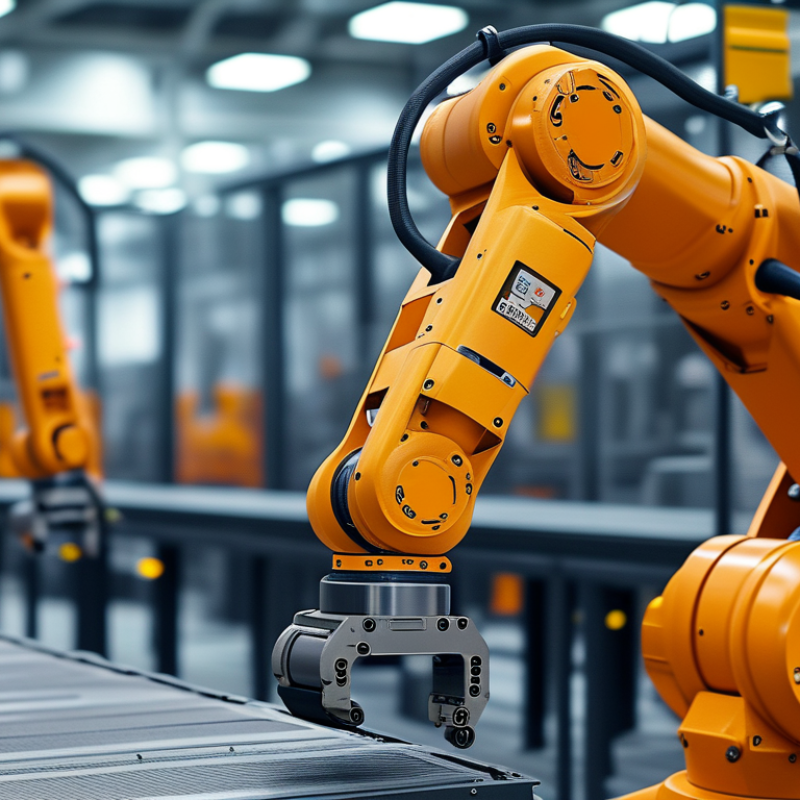
End of Arm Tooling (EOAT) plays a critical role in robotic automation. It serves as the interface between the robot and the object being manipulated. Recent industry reports indicate that nearly 70% of automation failures stem from insufficient EOAT design. This highlights the importance of customizing tooling for specific tasks, ensuring reliability and efficiency.
Advanced EOAT can include grippers, sensors, and specialized attachments, allowing robots to perform intricate tasks. For instance, data from the International Federation of Robotics shows that robots equipped with customizable end-of-arm tools improve productivity by 25% in assembly lines. Customization also enhances the robots’ ability to handle various materials, from fragile glass to heavy metal parts.
However, the process of selecting EOAT is often overlooked. Companies sometimes prioritize speed over functionality. This can lead to misalignment between the robot's capabilities and the tooling being used. Careful assessment and testing of EOAT options are essential to avoid operation bottlenecks. Investing time in this evaluation can truly pay off, enhancing overall performance in any automated system.
Types of End of Arm Tooling Used in Various Industries
End of Arm Tooling (EOAT) plays a crucial role in automating various industrial processes. This specialized equipment, attached to the end of robotic arms, allows robots to perform specific tasks. Different industries utilize various types of EOAT tailored to their unique applications.
In manufacturing, grippers and suction cups are widely used for picking and placing items efficiently. Grippers can handle various objects, from delicate components to heavy machinery. In the food industry, EOAT must meet hygiene standards. This typically involves using materials that are easy to clean. Specialized tools, such as flexible fingers, help in handling fragile items like fruits and pastries without causing damage.
Automotive companies often require custom tooling for assembly lines. The complexity of parts demands precise fitting tools. Yet, even with state-of-the-art EOAT, challenges persist. Tool wear and tear can lead to decreased efficiency. Regular maintenance is essential but often overlooked. Understanding these limitations is critical in optimizing automation processes while ensuring reliability and effectiveness.
Benefits of Effective End of Arm Tooling for Production Efficiency
Effective End of Arm Tooling (EOAT) plays a critical role in enhancing production efficiency. According to industry studies, companies can boost productivity by up to 30% with optimized EOAT. This increase translates to significant cost savings and improved output quality. For example, the right tooling can minimize cycle time in assembly processes, helping manufacturers meet tight deadlines.
Customization is essential for EOAT. Each application may require unique attachment designs that suit specific tasks and components. Failing to tailor your EOAT could lead to inefficiencies, such as increased wear on machinery or product defects. Regular assessments of the EOAT set-up and performance can guide improvements.
Effective troubleshooting is crucial when implementing EOAT. Monitor robotic operations closely. Look for signs of inconsistent performance or unexpected downtime. Process abnormalities can indicate an obsolete tool or a need for design revisions. Investing time in these analyses can significantly reduce costs in the long run.
Challenges in Designing and Implementing End of Arm Tooling
Designing and implementing End of Arm Tooling (EOAT) in robotic automation poses several challenges. One significant hurdle is achieving the right balance between flexibility and precision. According to a report by the Association for Advancing Automation, over 50% of companies struggle to adapt their EOAT for diverse tasks. This adaptability is crucial, especially in industries like manufacturing, where production rates demand rapid changes.
Another challenge lies in material selection and durability. Choosing the wrong materials can lead to increased wear and tear on tools. A study found that equipment failures can reduce productivity by up to 30%. Maintaining high performance while ensuring longevity requires careful engineering and design considerations. Moreover, integration with existing systems often reveals compatibility issues, complicating installation processes. Many companies report unexpected downtime due to these integration setbacks.
The complexity of sensor integration further complicates the design process. Incorporating advanced sensors can enhance EOAT performance, but it also increases development time and costs. Engineers must weigh the benefits against the additional investment. Ongoing training for staff is essential, as the technology evolves rapidly. Failure to keep up with the latest advances can result in outdated processes, ultimately impacting overall efficiency.
Future Trends in End of Arm Tooling for Advanced Automation Systems
The future of End of Arm Tooling (EOAT) is pivotal for advanced automation systems. As industries strive for efficiency, the demand for tailored solutions increases. Smart and adaptable EOAT designs can dramatically enhance robotic performance. This evolution is driven by needs for precision and flexibility across various applications. Lightweight materials and 3D printing are becoming more predominant in EOAT design, promoting quick iterations and customization.
Emerging trends also indicate the integration of artificial intelligence into EOAT systems. Smart sensors can provide real-time feedback, optimizing the manipulation process. This advancement allows robots to learn from their environment and adapt on the fly. However, there are challenges. Ensuring the reliability of these intelligent tools while maintaining cost-effectiveness can be tricky. Companies must carefully balance innovation with practical applications.
Additionally, ethical considerations arise with automation's growth. How will job markets evolve? While EOAT offers enhanced productivity, it can also lead to displacement. Industry leaders need to engage in dialogue about these impacts. Developing EOAT systems requires not just technical expertise but also a deeper understanding of social implications. This multifaceted approach will shape the next wave of automation effectively.