2026 Best Collaborative Robots Transforming Manufacturing Industry?
The manufacturing industry is undergoing a significant transformation, driven by the rise of collaborative robots. Collaborative robots in manufacturing, often referred to as cobots, are designed to work alongside humans. They enhance productivity while ensuring safety and efficiency.
Current trends showcase how these robots streamline operations in various sectors. For instance, cobots can adapt to changing tasks on the production line. This adaptability is vital in an era where speed and flexibility are critical. However, challenges remain. Integrating cobots requires careful planning and training to maximize their potential.
Moreover, companies must assess whether cobots fit their specific operations. While many have seen positive results, others encounter barriers such as resistance to change. Understanding these dynamics is essential for businesses considering this technology. The landscape is evolving, and companies must stay informed to thrive in this collaborative future.
Overview of Collaborative Robots in Manufacturing
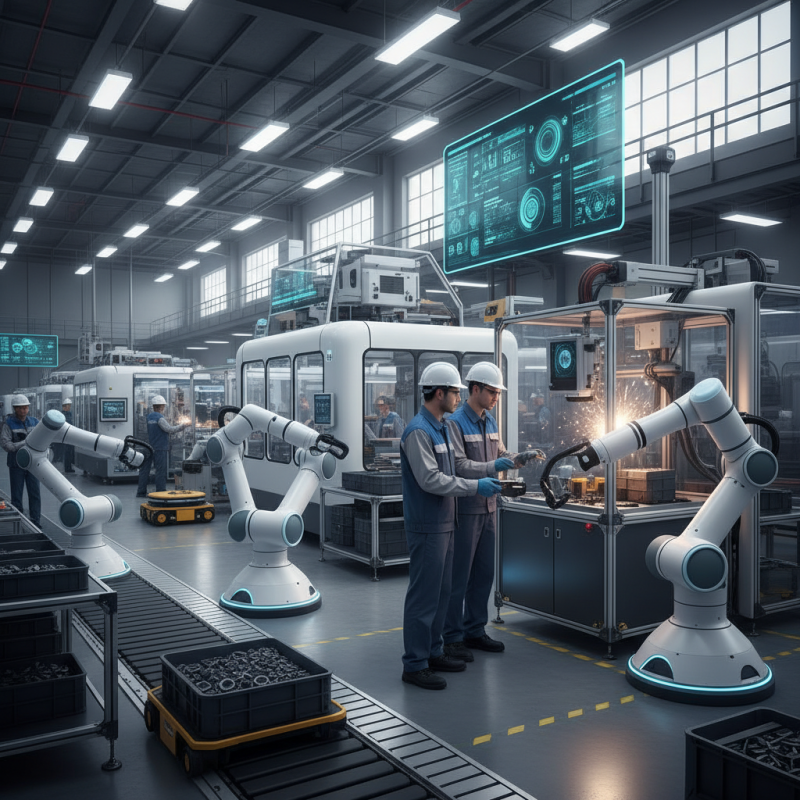
Collaborative robots, or cobots, are revolutionizing the manufacturing industry. Designed to work alongside human operators, these robots enhance productivity without replacing the workforce. According to a recent report by the International Federation of Robotics, the global market for collaborative robots is projected to reach $12.3 billion by 2025. This significant growth highlights their increasing importance in manufacturing processes.
Cobots excel in tasks like assembly, quality inspection, and material handling. They can learn from human actions, making them adaptable to various workflows. However, successful integration isn't without challenges. Companies often face a steep learning curve and need proper training for their employees. This underscores the necessity of clear communication between human workers and robots.
Tip: When adopting cobots, involve your team early. Their insights can guide effective implementation and prevent operational hiccups. Additionally, monitoring performance and adjusting tasks can maximize efficiency.
Despite their advantages, it's essential to reflect on potential downsides. Over-reliance on technology can lead to job displacement fears among staff. Striking a balance between automation and human roles is crucial. The goal should be collaboration that enhances job satisfaction and productivity. Implementing cobots should be approached with a mindset that values both technology and the human touch.
Key Features of the Best Collaborative Robots in 2026
In 2026, collaborative robots, often known as cobots, are set to transform the manufacturing landscape. These robots are designed to work alongside human workers, increasing efficiency and safety. Key features that make the best cobots stand out include user-friendly interfaces and intuitive programming. Manufacturers can easily train employees to operate them, reducing downtime and boosting productivity levels.
The flexibility of cobots is another significant advantage. They can be deployed for a variety of tasks, from assembly to quality control. Their lightweight design allows them to be moved between different workstations with ease. However, integration into existing systems can pose challenges. Companies must consider how new technologies will harmonize with legacy equipment.
Safety measures are paramount. Advanced sensors and vision systems enable cobots to detect human presence and react accordingly. But, reliance on technology can create gaps. Not all cobots are equipped with the same level of safety protocols. Organizations need to rigorously evaluate each robot's reliability to ensure a safe working environment. Some cobots may require additional safety cages, which can limit their intended collaborative function. Balancing safety and convenience continues to be a challenge for manufacturers.
2026 Best Collaborative Robots Transforming Manufacturing Industry
This chart displays the distribution of key features of the best collaborative robots in 2026 according to their prevalence in the manufacturing industry. The features include Payload Capacity, Safety Features, Ease of Programming, and Precision.
Top Collaborative Robot Models Shaping the Industry
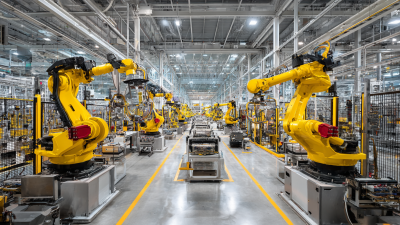
Collaborative robots, or cobots, are transforming manufacturing landscapes. Many models are particularly influential, driving efficiency and flexibility. These robots enhance human productivity while ensuring safety. They integrate seamlessly into existing workflows, making them appealing to various industries.
The Universal Robot UR series exemplifies how cobots can assist with tasks like assembly and packaging. These robots are designed to work alongside human operators, reducing the risk of workplace accidents. The user-friendly programming interface allows employees to adapt quickly. Flexibility is key; these cobots can easily switch between tasks.
Tips: Choose a model that aligns with your specific needs. Assess your space and workflow first. Consider ease of programming and safety features when selecting cobots. Keep in mind that these robots may require regular maintenance. Ensure your team is trained adequately to maximize efficiency.
Evaluating collaborative robots requires thoughtful reflection. Each model comes with strengths and limitations. Implementing them successfully might take time. Organizations must be prepared for learning curves. Identify areas where cobots can make the most significant impact.
Impact of Collaborative Robots on Manufacturing Efficiency
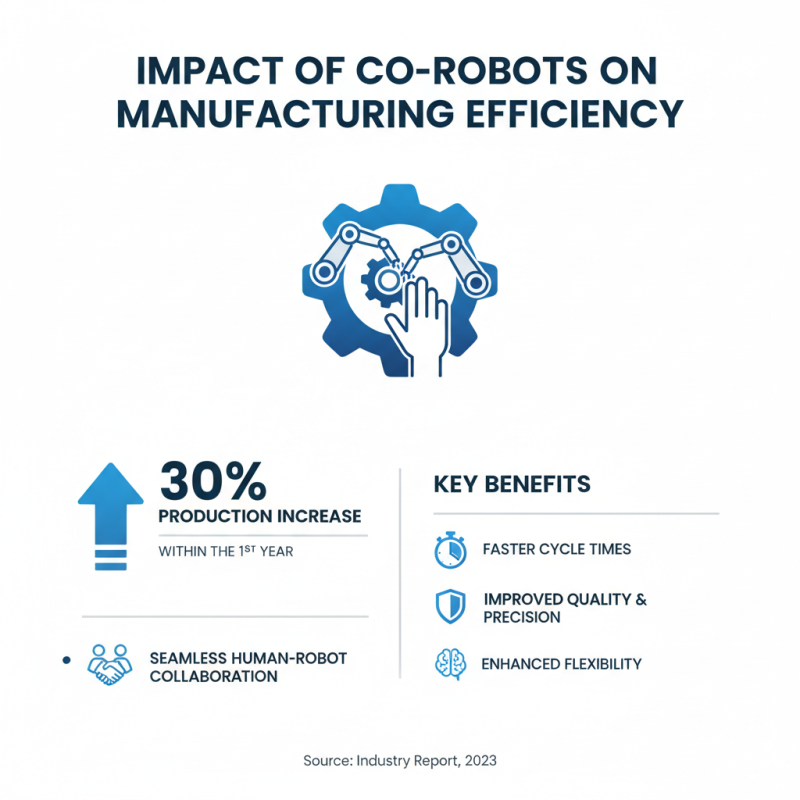
Collaborative robots, or cobots, are revolutionizing the manufacturing landscape. Their impact on efficiency is substantial. According to a recent industry report, the adoption of cobots can enhance production rates by 30% within the first year. This surge is often attributed to their ability to work alongside human employees seamlessly.
The implementation of cobots has shown a remarkable reduction in errors. In automated environments, error rates can be as high as 20%. However, with collaborative systems, these rates drop to under 5%. This improvement not only boosts quality but also saves time and resources. Many companies still face challenges in fully integrating cobots into existing workspaces. Some struggle with training employees to work effectively alongside their robotic counterparts.
Flexibility remains a crucial advantage of cobots. These robots can be reprogrammed and modified quickly to adapt to new tasks. This adaptability is essential as demand for customization in manufacturing rises. Yet, managers must consider the long-term costs associated with maintenance and training when introducing cobots. Ultimately, while cobots present exciting opportunities for efficiency, careful planning and assessment are vital for achieving their full potential.
Future Trends in Collaborative Robotics for 2026 and Beyond
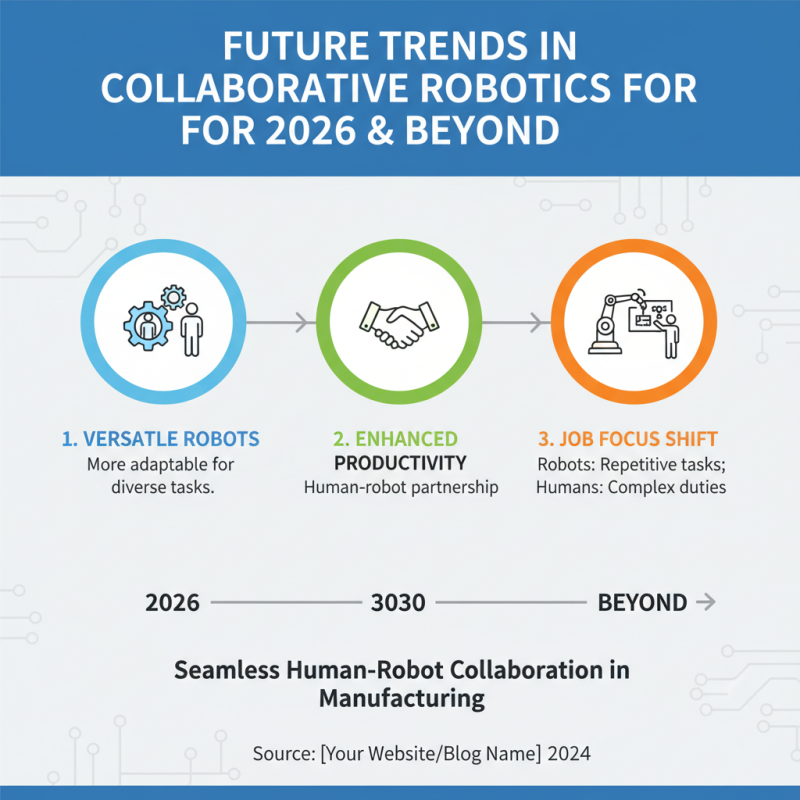
The future of collaborative robotics in manufacturing is both exciting and challenging. As technology advances, we anticipate more versatile robots that support human workers. These robots will enhance productivity without replacing jobs. They will work alongside humans, taking on repetitive tasks. This partnership will allow human workers to focus on more complex duties.
In 2026, we expect advancements in artificial intelligence within collaborative robots. These robots will learn from their environments and adapt quickly. This learning capability may present new challenges for workers. They must continuously update their skills to stay relevant. However, not all industries will be equally prepared for this shift. Some may struggle with integration and training of personnel.
Safety remains a pressing concern. As robots become more autonomous, their interactions with humans must be scrutinized. There’s a risk of accidents if safety measures are not stringent. Manufacturers must prioritize safety protocols and guidelines to ensure a smooth transition. Overall, the landscape of collaborative robotics will evolve, but careful planning is essential.