
01302 246818

Why Choose a Tin Bar Casting Machine for Your Business?

Why Choose a Tin Bar Casting Machine for Your Business?

Tin remains a strategic material across electronics, chemicals, tinplate, and energy applications. The U.S. Geological Survey reported global tin mine production of approximately 290,000 metric tons in 2023. Its Mineral Commodity Summaries 2024 also identified solder as a major tin-consuming sector. These figures show why reliable casting capacity matters. Demand is not only about volume. Consistent bar dimensions, controlled cooling, and clean surfaces directly influence downstream processing.

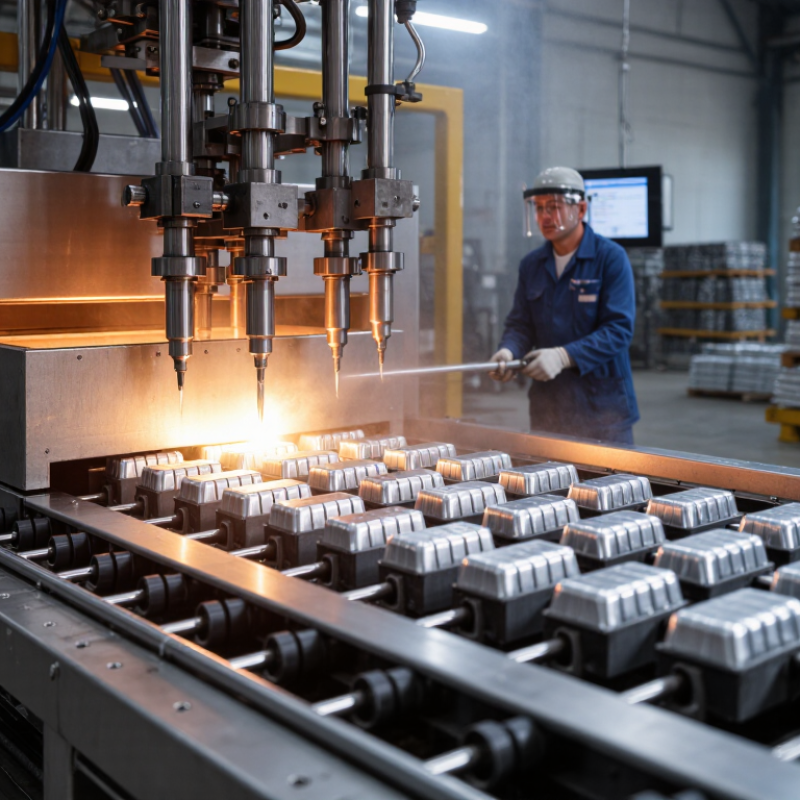
A Tin Bar Casting Machine can convert molten tin into repeatable bars with less manual handling. Modern systems may include temperature monitoring, automated pouring, water-cooling channels, and adjustable molds. Picture a production line where each bar exits at a similar length, with fewer rough edges and less material waste. That consistency supports easier weighing, packaging, storage, and remelting. It also gives operators clearer process records. Small improvements become meaningful during long production runs.

The International Tin Association has repeatedly highlighted solder, chemicals, tinplate, and batteries as important tin-use categories. A suitable machine can help manufacturers respond to these markets while improving workplace organization. However, equipment selection requires careful judgment. No machine is perfect. Buyers should examine thermal efficiency, mold life, maintenance access, operator training, and supplier support. Capacity claims should be tested against real alloy conditions, not accepted from brochures alone. The right choice depends on your batch size, product specifications, energy costs, and quality controls. A factory visit or sample casting trial may reveal details that a technical sheet misses. That practical step is often worth the effort.
Why Choose a Tin Bar Casting Machine for Your Business?

What Is a Tin Bar Casting Machine?

A tin bar casting machine is equipment that converts molten tin into consistent bars. It combines a heated melting chamber, controlled pouring system, bar molds, cooling section, and removal mechanism. Pure tin melts at about 232°C, but operators must confirm the correct temperature for each alloy.

The process begins when solid tin is heated until it flows evenly. A dosing unit then transfers a measured amount into metal molds. Cooling solidifies the material into bars with defined dimensions. The finished bars are released, inspected, and sometimes trimmed before packing. Mold alignment matters. Even a small offset can create uneven edges or different bar weights.

In practical production, the machine helps reduce manual pouring and improves repeatability. Operators can adjust filling speed, mold temperature, and cooling time to match the required output. Sensors may monitor temperature and detect abnormal conditions. However, automation does not remove responsibility. Residue, moisture, or unstable heating can affect surface quality and create avoidable waste.

A clean setup matters.

Before operation, trained staff should inspect guards, ventilation, temperature readings, and emergency controls. They should also record batch details and inspection results. This supports traceability and more reliable quality decisions. The machine may increase productivity, but it cannot correct poor material handling. That limitation deserves honest attention.

How Does the Tin Bar Casting Process Work?

A tin bar casting machine turns molten tin into consistent bars through controlled heating, filling, cooling, and removal. The process begins with inspected tin feedstock. Operators check its composition and remove visible contamination before charging the melting chamber. This step matters because impurities can affect surface quality and final performance.

Inside the furnace, controlled heat melts the tin without unnecessary overheating. Sensors monitor temperature, while mechanical stirring can improve material uniformity. The liquid metal then flows through a measured outlet into steel or coated molds. Filling speed must remain steady. Too slowly, and the bar may develop incomplete edges. Too quickly, and turbulence can trap small air pockets. The process is not perfectly forgiving.

Cooling follows immediately. Water channels or air systems remove heat from the mold, allowing the bars to solidify evenly. After cooling, an automated ejector or manual tool removes each bar. Operators inspect its weight, dimensions, surface, and possible cracks. Samples may also be tested for composition and hardness. A machine can repeat settings, but it cannot correct poor feedstock or careless maintenance. That assumption deserves review. Regular cleaning, temperature calibration, and mold inspection help protect production reliability and workplace safety. Ventilation and suitable protective equipment remain necessary around hot metal.

What Benefits Does It Offer Your Business?

A tin bar casting machine can turn molten metal into uniform bars with controlled weight and cleaner handling. That matters when customers expect repeatable soldering performance and predictable inventory. The International Tin Association’s 2024 market review identifies solder as the largest tin-use segment, representing close to half of global demand. Consistent bar geometry can therefore support faster packing, easier storage, and steadier downstream processing.

The financial benefit is practical. Automated pouring and cooling reduce manual handling around hot metal. They may also limit trimming losses and repeated remelting. The U.S. Geological Survey reported global tin mine production at about 290,000 metric tons in 2023. This constrained supply makes material efficiency more important for manufacturers. A controlled casting line can record batch weight, temperature, and production time. Those records strengthen quality checks and customer confidence.

It is not magic.

Installation requires suitable ventilation, operator training, mold maintenance, and reliable temperature control. A poorly adjusted system can create surface defects or uneven bars. That is an easy detail to underestimate. Before purchasing, a business should compare energy use, labor savings, scrap rates, and expected output. The International Energy Agency also emphasizes industrial efficiency as a major route to lower energy intensity. Real savings depend on daily discipline, not equipment alone.

Which Features Matter When Choosing a Machine?

Why Choose a Tin Bar Casting Machine for Your Business?

Which Features Matter When Choosing a Machine?

Choosing a tin bar casting machine requires more than checking its advertised output. Temperature control deserves close attention. Tin melts near 232°C, so unstable heating can create uneven surfaces, weak edges, and unnecessary waste. Look for responsive sensors, reliable controllers, and clear temperature displays. Consistent mold cooling also matters. It supports accurate dimensions and smoother release. Small details become expensive when repeated across hundreds of bars.

Capacity should match your real production schedule, not an optimistic forecast. A fast cycle is not always better. It may increase defects if operators cannot inspect molds properly. Choose adjustable mold sizes, practical loading access, and simple controls. Safety guards, emergency stops, insulated surfaces, and proper ventilation are essential features. They protect workers near hot metal and reduce operational risk. Maintenance access should be equally important. If heating elements or cooling channels are difficult to reach, downtime can grow quickly. That is easy to underestimate. Energy monitoring and production data can reveal hidden costs over time. However, digital features are useful only when staff understand the readings. Experienced operators should test the machine with actual tin alloys and planned bar dimensions before purchase. A demonstration sample can expose vibration, filling problems, or difficult demolding. No machine is perfect. A careful evaluation may prevent an expensive decision.

Why Choose a Tin Bar Casting Machine for Your Business? - Which Features Matter When Choosing a Machine?

Feature or Decision Dimension Typical Industry Reference Why It Matters for Tin Bar Production What to Check Before Purchase
Melting temperature Tin melts at approximately 231.9 °C; practical operating temperatures are commonly set above the melting point to maintain stable flow. Accurate temperature control helps prevent incomplete filling, excessive oxidation, and inconsistent bar surfaces. Temperature range, sensor accuracy, heater response, insulation, and over-temperature protection.
Production capacity Small and medium systems are commonly configured for approximately 20–150 kg/h; larger custom lines may exceed this range. Capacity determines whether the machine can meet current orders without creating excessive idle time or unnecessary capital cost. Rated output under the intended tin alloy, bar size, mold design, and operating schedule—not only the maximum advertised output.
Bar dimensions Typical equipment may support bar widths of about 10–80 mm and lengths of about 100–600 mm, depending on the mold and cutting system. The correct mold size improves product consistency and reduces trimming, remelting, and material waste. Adjustable mold options, dimensional tolerances, bar weight range, and availability of quick-change tooling.
Heating method Electric resistance heating is widely used for its simple control; induction heating can provide fast, localized heating in suitable system designs. Heating method affects warm-up time, temperature uniformity, energy use, maintenance, and installation requirements. Installed power, heating-zone control, warm-up time, heat loss, maintenance access, and electrical supply requirements.
Temperature uniformity A practical target is stable process control within approximately ±2–5 °C, subject to machine design and calibration. Uniform molten metal temperature supports repeatable filling, solidification, appearance, and alloy composition. Number and position of sensors, independent heating zones, calibration procedure, and temperature data logging.
Cooling system Air cooling is suitable for lower throughput; water-cooled molds or conveyors are often used when faster solidification is required. Controlled cooling improves cycle time, bar shape, surface finish, and dimensional stability. Cooling capacity, water flow and pressure requirements, leak protection, filtration, and temperature monitoring.
Mold material and design Heat-resistant metallic molds with suitable release and cooling features are commonly used for repeated casting cycles. Mold quality influences bar dimensions, surface marks, service life, and changeover time. Mold hardness, thermal-fatigue resistance, replaceable inserts, release method, and cleaning requirements.
Automation level Semi-automatic systems require operator handling; automatic systems can integrate feeding, casting, cooling, cutting, counting, and stacking. Automation can improve cycle consistency, reduce manual handling, and support higher production volumes. Required staffing, programmable controls, alarm history, recipe storage, sensor feedback, and integration with material handling.
Changeover time Well-designed modular equipment may support mold or recipe changes in approximately 15–60 minutes, depending on tooling and cleaning requirements. Short changeovers are valuable when producing multiple bar sizes or alloy grades in smaller batches. Tool accessibility, lifting requirements, cleaning steps, stored recipes, and restart procedure after a changeover.
Energy consumption Actual consumption depends on capacity, insulation, ambient conditions, duty cycle, and the quantity of tin kept molten between batches. Lower energy use reduces operating cost and supports more efficient production during long shifts. Ask for measured energy use per kilogram of finished product under a defined production test, not only installed heater power.
Oxidation and dross control Covered holding areas, controlled exposure time, suitable flux practices, and careful temperature management are commonly used to limit dross formation. Better dross control improves metal yield and helps maintain a cleaner bar surface. Holding-pot cover, skimming access, inert-gas compatibility where required, and procedures for collecting and recycling dross.
Product quality control Common checks include bar weight, length, cross-section, surface condition, alloy identification, and visual defects. Consistent inspection reduces customer claims and makes production performance easier to track. Sampling frequency, weighing equipment, dimensional gauges, traceability records, and compatibility with quality standards.
Operator safety Essential safeguards include guarding, emergency stops, thermal insulation, over-temperature alarms, and protection from molten-metal splash. Safety features reduce exposure to heat, moving components, electrical hazards, and molten metal. Risk assessment, interlocked guards, emergency-stop locations, ventilation, operator training, and applicable local regulations.
Footprint and utilities A compact single-line system may occupy several square metres; automated cooling, cutting, and stacking increase space requirements. Correct layout planning prevents bottlenecks and leaves adequate room for inspection, maintenance, and safe material movement. Overall dimensions, service clearance, electrical load, compressed air, cooling water, ventilation, and floor loading.
Maintenance and spare parts Wear items commonly include heating elements, sensors, seals, mold components, pumps, belts, and electrical-control parts. Easy access and available replacement parts reduce downtime and protect production schedules. Preventive-maintenance schedule, recommended spare-parts list, troubleshooting documentation, remote support, and service response time.

Note: The numerical ranges are typical planning references for tin bar casting equipment. Final specifications should be confirmed through a production test using the intended tin grade, bar dimensions, cycle time, and quality requirements.

How Can You Evaluate Costs, Capacity, and Maintenance?

Why Choose a Tin Bar Casting Machine for Your Business?

How Can You Evaluate Costs, Capacity, and Maintenance?

A tin bar casting machine should be judged by total cost, not its purchase price. Include installation, energy use, molds, labor, cooling water, and planned downtime. Ask the supplier for real production records, not only rated output. Numbers need context. A machine rated at 500 kilograms per hour may produce less with smaller molds or frequent alloy changes. Request a sample trial using your intended tin grade and bar dimensions.

Capacity should match demand without creating unnecessary pressure. Calculate weekly output from actual operating hours, changeover time, inspection, and rejects. Leave practical room for maintenance. Running at maximum speed every day can shorten component life. That matters. Check temperature control, pouring accuracy, cooling performance, and automatic bar removal. These features influence consistency, worker safety, and material loss. A small increase in yield may repay a higher initial investment.

Maintenance deserves a clear cost model. Review access to heaters, sensors, pumps, and mold surfaces before signing an order. Ask how often each part requires inspection and whether trained local technicians can service it. Keep records. Compare annual spare-part costs with expected production value. Also examine cleaning procedures, lubrication points, and emergency response time. A tidy machine is easier to diagnose, but operators may still miss early wear. Build a maintenance checklist and test it during commissioning. One weakness remains: forecasts can be wrong when tin prices, staffing, or orders change. Recheck the figures quarterly.

Why Choose a Tin Bar Casting Machine for Your Business?

Comparing investment cost, annual capacity, and maintenance helps identify the most suitable casting configuration for your production goals.

The planning scenarios use transparent assumptions rather than company or brand data. Estimated annual maintenance is calculated at 5% of equipment investment, while capacity represents expected annual output under approximately 4,000 operating hours. Actual results depend on alloy, bar size, uptime, energy prices, labor, and process efficiency.