How to Use Galvanized Nails for Your Home Projects?
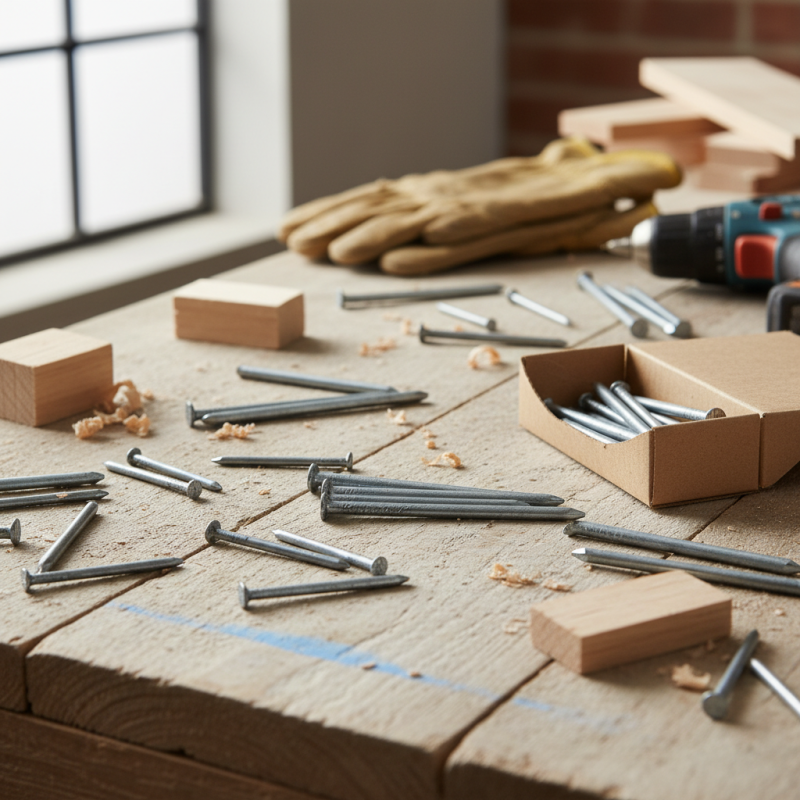
When embarking on home projects, selecting the right materials is crucial. Galvanized nails are an ideal choice for many DIY tasks. These nails are coated with zinc to resist rust, making them perfect for both indoor and outdoor use.
Using galvanized nails can improve the durability of your work. However, it's essential to choose the right size and type for your project. For instance, using too small a nail can compromise the strength of your structure, while oversized nails might split the wood.
Galvanized nails often come in various lengths and gauges. It’s easy to feel overwhelmed by the options. Take time to consider the specific needs of your project. Remember, even small mistakes can lead to larger problems later. Proper planning and consideration will enhance your results.
Understanding Galvanized Nails and Their Benefits
Galvanized nails are popular for home projects due to their durability. They are coated with zinc to resist rust and corrosion. This makes them ideal for outdoor use or in humid environments. A report from the National Association of Home Builders shows that using galvanized nails can extend the lifespan of structures by up to 30%. This is crucial for homeowners looking to invest in lasting quality.
Tips: When working with galvanized nails, consider their size. Choose the right length for your project to ensure maximum stability. Remember, too long may split wood, while too short may not hold securely. A common mistake is not pre-drilling holes in hardwoods. This can make driving nails much easier.
Another advantage of galvanized nails is their versatility. They can be used for framing, roofing, or even furniture projects. However, not all galvanized nails are created equal. Some may have a thin layer of zinc, which might wear off quickly. It's essential to analyze specifications before choosing.
In summary, understanding the benefits and limitations of galvanized nails can significantly impact the success of your home projects. Always invest time in selecting the right type for your specific needs.
Galvanized Nails Usage in Home Projects
Choosing the Right Size and Type of Galvanized Nails
When selecting galvanized nails for your home projects, size matters. The length and gauge of the nail will determine its strength and application. For light duties like thin paneling, 1.25-inch nails may work. Heavier tasks, such as framing, usually require 3.5-inch nails. Improper sizing can lead to weak joints or even structural failure.
Types of galvanized nails also vary. Common options include smooth shank and ring shank nails. Smooth shank nails are easy to drive but may not hold as well under tension. Ring shank nails offer better grip, ideal for areas exposed to movement. As you choose, consider the materials involved and the climate. Certain finishes resist rust better than others, which is crucial for outdoor projects. If unsure, consult with a local expert or choose a mix to see what holds best. It's all about testing and adjusting based on your specific needs.
Preparing Your Project Area for Using Galvanized Nails
Preparing the project area is crucial when using galvanized nails. This step sets the stage for a successful outcome. Start by clearing the area of debris and ensuring a stable surface. Uneven ground can lead to issues during installation. According to industry reports, nearly 70% of project failures stem from inadequate preparation. It’s essential to create a clean workspace where you can easily access your tools and materials.
Next, consider the materials involved. If you’re working with wood, ensure it’s dry and free from contamination. Moist wood can lead to rust, even with galvanized nails. Use a moisture meter for accurate readings. Data shows that approximately 30% of project delays occur due to improper material conditions. On top of that, ensure all tools are in good condition to avoid accidents. An unexpected tool malfunction can derail progress, highlighting why preparation is key.
Lastly, measure twice before committing. Double-checking dimensions helps avoid unnecessary waste. A slight miscalculation can lead to significant delays and frustrations. A survey indicated that over 40% of DIY enthusiasts wished they had spent more time on initial planning. Taking these steps can enhance your project’s success rate significantly.
Proper Techniques for Nailing with Galvanized Nails
When using galvanized nails, proper techniques can make a significant difference. These nails are coated to prevent rust and corrosion, making them ideal for outdoor projects. According to industry reports, galvanized nails can last up to three times longer than regular nails in harsh conditions. This is especially essential for decks and fences where weather exposure is a constant factor.
One important technique is to choose the right size of galvanized nail for your project. The standard recommendation is to use a nail that is three times the thickness of the materials being joined. For instance, if you’re attaching two 1-inch boards, a 2.5-inch nail works well. However, many DIYers often underestimate this and opt for shorter nails. This can lead to weak joints and potential structural issues.
Moreover, the angle at which you drive the nails matters. A 45-degree angle can help in ensuring a stronger hold. Yet, many tend to hammer nails straight down, which may lead to splitting the wood. The sound of an incorrect hit can be frustrating, reminding you that precision is key when using galvanized nails. Attention to detail can elevate the quality of your home projects.
Maintenance Tips for Projects Using Galvanized Nails
When working with galvanized nails, maintenance is key for longevity. Galvanized nails resist rust and corrosion. However, they won't last forever without care. Regular inspection is vital. Check for signs of wear or damage. Replace any compromised nails promptly.
Use the right tools for your projects. A hammer with a rubber grip ensures a clean drive without damaging the nail head. Consider using a magnetic nail holder for easier placement. It can save you time and frustration. Always wear safety goggles to protect your eyes. Safety first!
Tips: Keep your galvanized nails in a dry place to prevent moisture exposure. If you’re using them outdoors, apply a coat of sealant for extra protection. Lastly, be mindful of the wood type when nailing. Some woods can cause the nails to lose grip over time, leading to potential problems later.