2026 Top Trends in Robotic Automation Solutions for Businesses?
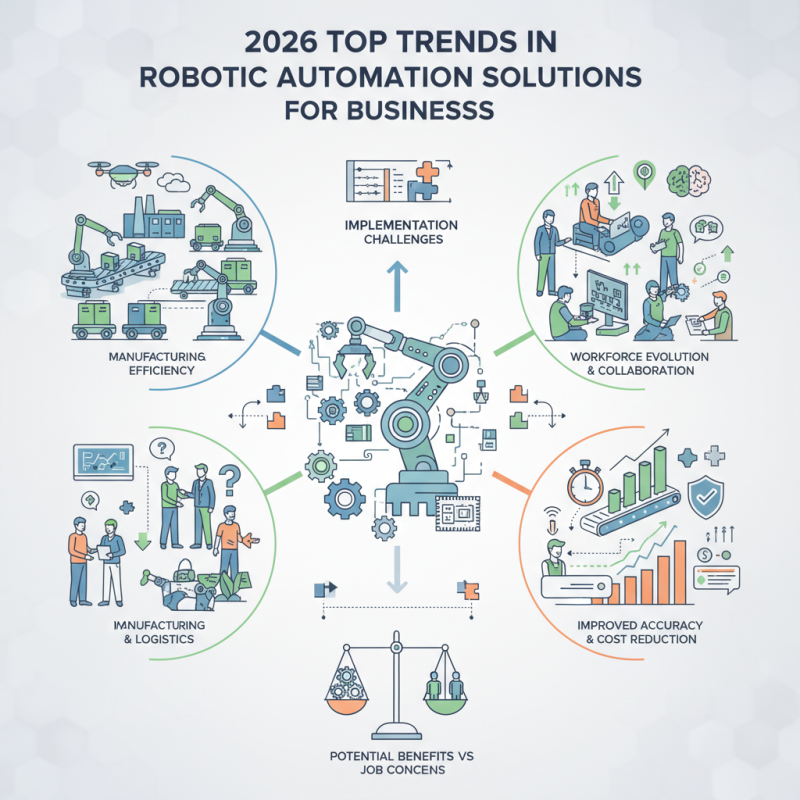
As we approach 2026, the landscape of robotic automation solutions for businesses is rapidly evolving. Companies are turning to these innovative technologies to enhance efficiency and reduce operational costs. Many industries, such as manufacturing and logistics, have already embraced this change.
The integration of robotic automation solutions is not always straightforward. Organizations face challenges in adapting to new technologies. Workers may have concerns about job displacement, while businesses must navigate the costs of implementation. Yet, the potential benefits are significant. Improved accuracy, faster production rates, and enhanced flexibility stand out as key advantages.
Looking ahead, it's essential to reflect on how these robotic automation solutions will shape our workplaces. Will they create more opportunities or threaten existing jobs? The answer remains uncertain. Companies must carefully consider both the advantages and the potential downsides of their automation strategies.
Key Developments in Robotic Process Automation (RPA) for 2026
The landscape of Robotic Process Automation (RPA) is evolving. By 2026, automation solutions will be pivotal for businesses. According to recent data, the RPA market is projected to grow at a rate of over 30% annually. This growth signifies an increasing reliance on automated systems in various industries.
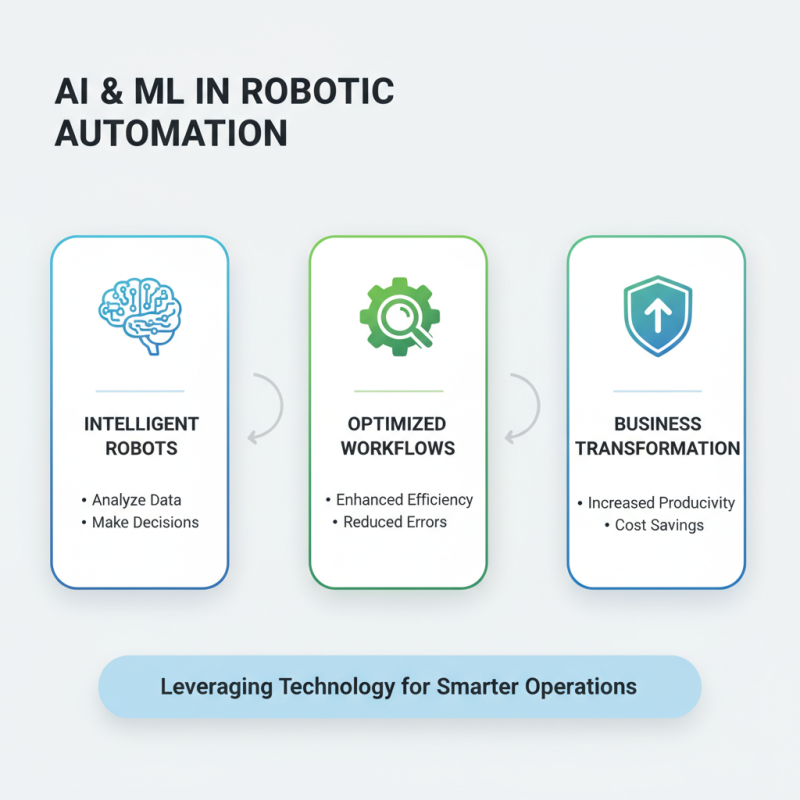
In 2026, RPA will integrate with advanced technologies like AI and machine learning. This combination will enhance decision-making. Companies can expect greater efficiency in operations. However, not all organizations are ready. Many lack the infrastructure or expertise needed for seamless integration. A report indicates that nearly 40% of businesses face challenges in scaling their RPA initiatives.
Furthermore, the focus will shift towards user-friendly automation tools. Simplicity will drive adoption among smaller firms. Yet, businesses must also address security concerns. With automation comes the risk of data breaches. Companies are urged to prioritize security in their automation strategies. The future of RPA is bright, but caution and preparation are essential.
Emergence of Collaborative Robots in Business Environments
The rise of collaborative robots, or cobots, marks a significant shift in business environments. These robots are designed to work alongside humans, enhancing productivity without replacing the workforce. According to a recent industry report, the global collaborative robot market is projected to grow at a rate of over 40% annually through 2026. This rapid growth reflects the increasing acceptance of automation in workplaces.
Cobots are ideal for tasks like assembly, packaging, and quality inspection. They can perform repetitive tasks, freeing up human employees for more complex duties. Anecdotes from various industries show that businesses have seen up to a 30% increase in efficiency after integrating cobots. However, businesses must also consider potential challenges. Employee training and safety concerns are paramount.
Tip: Invest in training programs. This ensures employees are comfortable working with cobots. Engage them in the design process. Their feedback can smooth out integration challenges.
Not every task is suitable for cobots. Companies should evaluate processes carefully. Sometimes, the human touch remains irreplaceable. Companies that overlook this may face inefficiency. Balancing human and robotic workforces is crucial for sustainable growth.
Impact of Robotic Automation on Workforce Dynamics and Skill Requirements
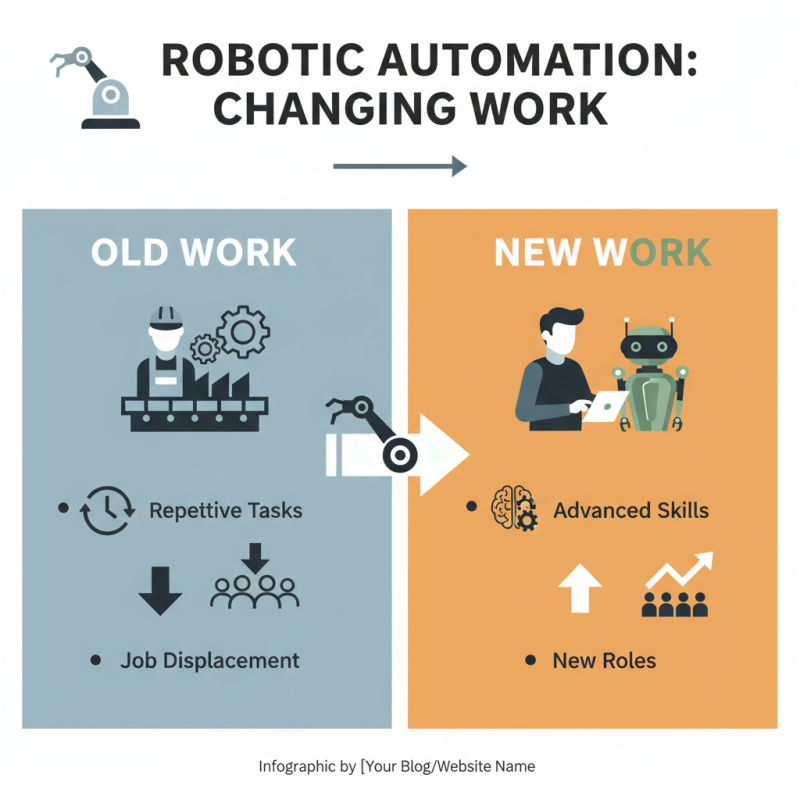
Robotic automation is transforming workplace dynamics significantly. As businesses adopt these solutions, the nature of work is changing. Many repetitive tasks are now handled by machines. This shift can lead to job displacement for some workers. However, it also opens the door for new roles that require advanced skills.
The impact on skill requirements is profound. Employees now need to adapt to new technologies. Digital literacy is essential, along with problem-solving abilities. Workers who are comfortable with technology will thrive. Those who resist may struggle to keep pace. Companies must invest in upskilling their workforce. Training programs are key to bridging skill gaps.
The evolving landscape poses challenges. Some workers may feel overwhelmed by these changes. The fear of job loss can create anxiety. Organizations should focus on fostering a supportive environment. Open communication can help employees navigate these transitions. Embracing robotic automation is a journey for everyone. It requires patience, understanding, and a willingness to adapt.
Trends in Customizable and Scalable Automation Solutions for Enterprises
In 2026, customizable and scalable automation solutions are transforming enterprises. Businesses are seeking tools that adapt to their unique needs. Flexible automation systems offer enhanced efficiency, reducing repetitive tasks. This brings speed and accuracy. However, the implementation process isn’t always seamless. Companies must evaluate their existing workflows. They often discover gaps in compatibility with new systems.
Scalability is another key trend. Automation solutions now allow businesses to expand as they grow. It’s crucial for attracting new clients and maintaining competitiveness. But, scaling can also lead to complications. Some entities may face resistance from staff used to traditional methods. Training employees is essential but often overlooked. This reflects a need for cultural shifts in workplaces.
Customization allows for variety in best-fit solutions. Enterprises can tailor aspects like user interfaces and specific functions. Yet, creating these solutions can be challenging. Developers often encounter limitations in available resources. Sometimes, what seems like a perfect fit may not be practical. Reflection on these factors is vital for success in automation adoption.