2026 Top Robotics Software Trends You Should Know?
In recent years, robotics software has transformed various industries, reshaping how businesses operate. Dr. Anna Reed, a leading expert in robotics, states, "The integration of advanced robotics software will redefine our interaction with technology." This prediction has already begun to unfold with emerging trends in 2026.
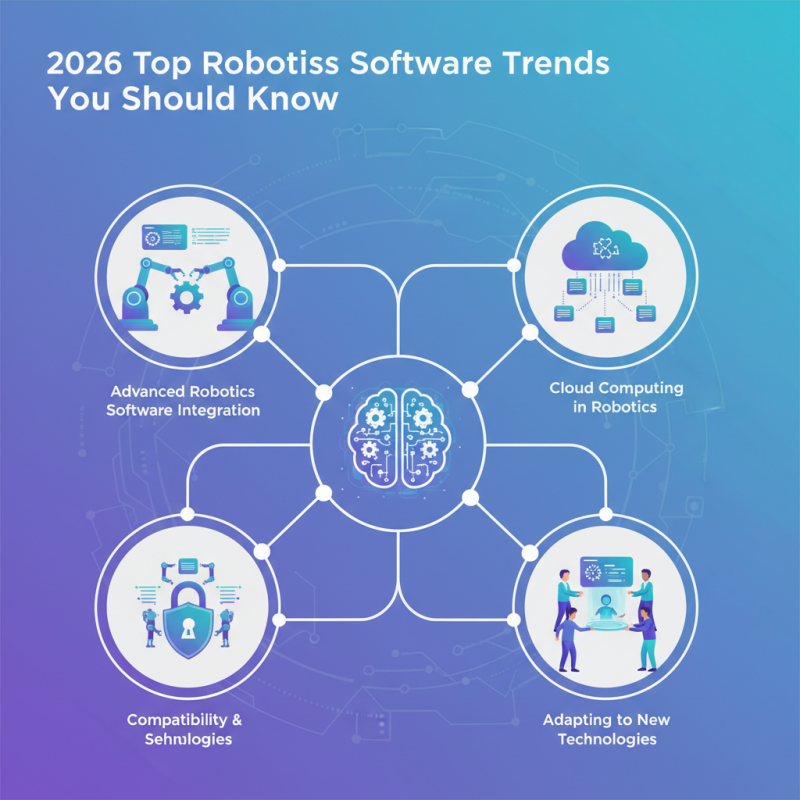
New developments are accelerating the evolution of robotics software. Artificial intelligence enhances decision-making capabilities, while machine learning boosts performance. These technologies are significant, yet they also present challenges. As companies integrate new software, there may be issues with compatibility and security. It is vital for organizations to adapt and address these concerns.
Additionally, the rise of cloud computing in robotics software allows for greater flexibility. This shift can also lead to potential risks if data is not adequately protected. As the field evolves, stakeholders must remain vigilant about these vulnerabilities. In conclusion, understanding the current trends is essential for leveraging the full potential of robotics software effectively.
Key Advances in Artificial Intelligence for Robotics Software
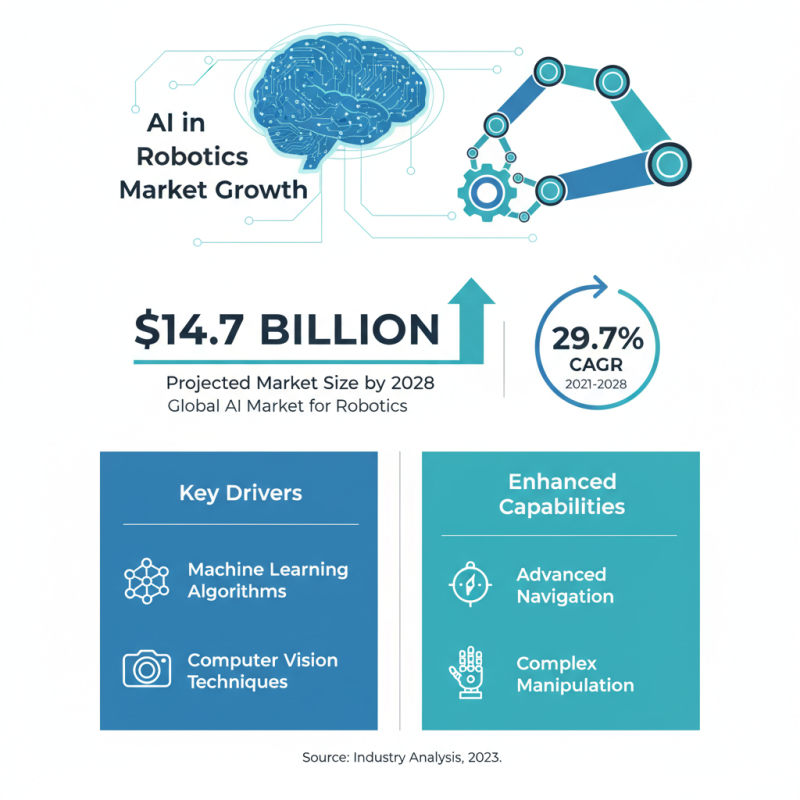
In the realm of robotics, artificial intelligence (AI) plays a pivotal role in enhancing software capabilities. The global AI market for robotics is projected to reach $14.7 billion by 2028, reflecting a compound annual growth rate of 29.7% from 2021. This growth is driven by advancements in machine learning algorithms and computer vision techniques. Robotics equipped with AI are becoming increasingly adept at performing complex tasks, such as navigation and manipulation.
However, challenges remain. Many systems still struggle with real-world unpredictability. AI models trained in controlled environments often fail when faced with unfamiliar scenarios. They require vast amounts of data to train effectively. In fact, according to a report by the International Federation of Robotics, 52% of robotics projects do not reach full operational status. This calls for a reevaluation of training methodologies and the integration of more robust simulations to improve outcomes.
The advent of edge computing is set to revolutionize robotics software. Processing data closer to the source can significantly reduce latency. Companies estimate that this could enhance response times by up to 50%. Yet, the complexity of managing distributed systems increases. Many robotics developers are still grappling with how to leverage edge AI effectively, often resulting in inefficiencies. The path forward is fraught with both potential and pitfalls, requiring careful navigation.
Integration of Cloud Computing in Robotics Applications
The integration of cloud computing in robotics applications is transforming various industries. This trend makes robotics more accessible and efficient. Robots can now harness the immense power of cloud resources, reducing the need for expensive hardware.
Cloud computing enables real-time data processing. Robots collect vast amounts of data, which can be analyzed in the cloud. This process allows for faster decision-making, enhancing operational efficiency. For instance, robotic arms in manufacturing can adjust to new commands immediately. They pull insights from the cloud, adapting to changing conditions.
However, challenges exist. Data security is a major concern. Sensitive information can be vulnerable in the cloud. Moreover, connectivity issues may disrupt operations. Robots relying heavily on cloud resources might stall if the internet fails. These considerations require careful evaluation as businesses adopt this technology.
Emerging Trends in Robotics Simulation Software
Robotics simulation software is rapidly evolving. Current trends reveal significant advancements in technology and usability. A recent report from the International Federation of Robotics shows that the robotics simulation market is expected to reach USD 1.2 billion by 2026. This growth signals a shift towards more sophisticated training environments for robot programming and operation.
One key trend is the integration of artificial intelligence in simulation. AI enhances the realism of simulations. Users can create complex scenarios that mimic real-world challenges. However, the complexity can be overwhelming for beginners. They often struggle to interpret results effectively. Additionally, the balance between simulation and real-life application remains an area for improvement. Many users report discrepancies between simulated outcomes and practical performance.
Another emerging trend is cloud-based simulations, which allow for greater collaboration. Teams can access simulations from anywhere, streamlining development processes. However, reliance on internet connectivity can pose risks. If connectivity fails, progress may halt unexpectedly. As the industry embraces these innovations, there is a clear need for ongoing training and adaptability among users to navigate this evolving landscape.
The Rise of Open Source Robotics Platforms and Collaboration
The rise of open-source robotics platforms is changing the landscape of robotics development. Developers and researchers increasingly favor these platforms. They foster collaboration and innovation. Teams share code, resources, and ideas, breaking down barriers that once isolated them. This collaborative spirit accelerates advancements in robotics technology.
Open-source robotics encourages creativity. Individuals can experiment without massive financial commitments. However, not all projects thrive under these models. Some struggle with documentation and user support. Without a strong community, projects can decay. It’s crucial for developers to invest time in creating robust support systems.
Collaboration is key to success in this arena. When teams work together, they produce richer solutions. Diverse perspectives lead to unexpected breakthroughs. Yet, challenges remain. It requires trust and effective communication. Building a cohesive community takes effort. The potential benefits are immense, but so are the hurdles. It's a path worth exploring.
2026 Top Robotics Software Trends You Should Know
| Trend |
Description |
Impact |
Adoption Rate |
| Open Source Platforms |
Growing popularity of collaborative, open-source frameworks in robotics. |
Increased innovation and faster development cycles. |
60% |
| AI Integration |
Enhanced capabilities of robots through artificial intelligence. |
Improved efficiency and decision-making. |
75% |
| Collaboration Tools |
Tools enabling teams to work together on robotics projects. |
Fostering global partnerships and knowledge sharing. |
50% |
| Simulation Software |
Use of virtual environments to test robot performance. |
Reduces costs and time in development. |
70% |
| Cloud Robotics |
Robots leveraging cloud computing capabilities. |
Enhanced data processing and real-time updates. |
65% |
Impact of Machine Learning on Robotics Software Development
Machine learning is reshaping
robotics software development in significant ways. It enhances how robots learn from their
environments. Algorithms can now process vast amounts of data quickly. This capability allows
robots to adapt to new situations and tasks more efficiently. For example, a robotic arm can
learn to assemble products by observing human workers. This type of learning is crucial for
industries seeking efficiency.
Yet, there are challenges. Overreliance on data can lead to biases in decision-making. If the
data is not comprehensive, robots may perform poorly in unfamiliar scenarios. Developers
must ensure that they use diverse datasets.
Furthermore, creating algorithms that make ethical choices
remains a complex issue. How should a robot decide in a morally ambiguous situation? It’s
a question that needs more exploration.
The integration of machine learning
into robotics also complicates the development process. Engineers must have a deep
understanding of both disciplines. Collaboration between software developers and robotics
experts is essential. This teamwork can overcome the obstacles presented by complex
algorithms. As we advance, the importance of such interdisciplinary approaches will grow.
Robotics is not just about machines; it's about making them intelligent partners
in our work and lives.