Top 10 Robotic Solutions Transforming Industries Today?
In today's fast-evolving landscape, robotic solutions are reshaping industries at an unprecedented pace. According to a recent report from the International Federation of Robotics, the global market for these technologies is expected to reach $210 billion by 2025. This growth reflects the increasing reliance on automation to enhance productivity and efficiency across sectors like manufacturing, healthcare, and logistics.
Robotic solutions offer tangible benefits, from reducing operational costs to minimizing human error. In the manufacturing sector alone, robots can boost productivity by up to 40%. However, as we embrace these technologies, we must reflect on their implications. Are we prepared for the workforce disruptions they may cause? Understanding the delicate balance between innovation and job displacement is crucial.
While many industries benefit significantly, challenges remain. Not every company can afford to implement advanced robotic solutions. Small businesses may struggle to keep up with larger competitors. Thus, as we explore the advancements in robotic solutions, we must consider both their transformative power and their potential pitfalls.
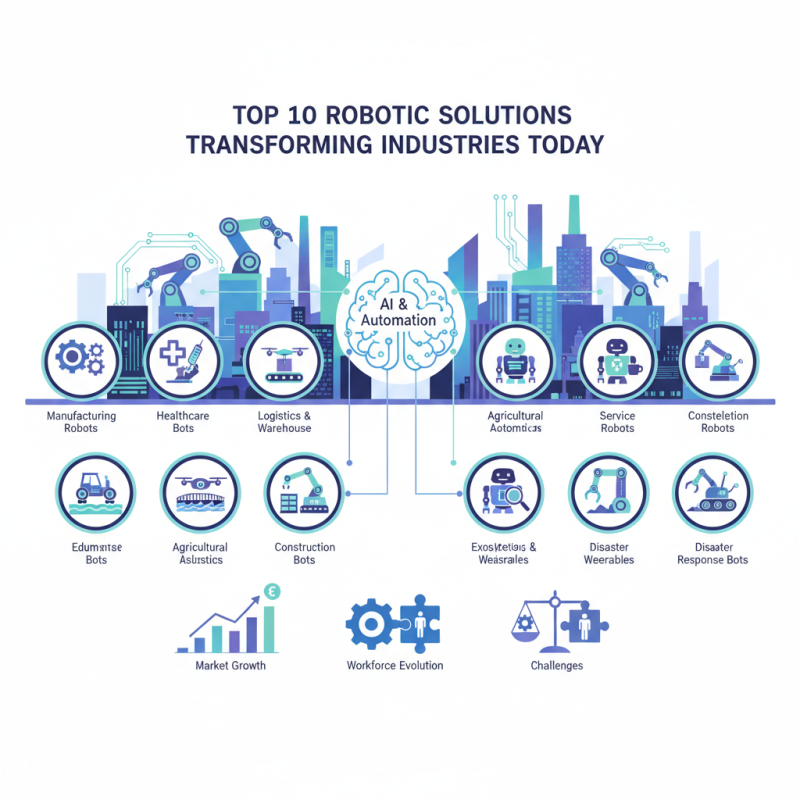
Overview of Robotics in Today’s Industries
Robotics has profoundly changed modern industries.
Warehouses now utilize
autonomous vehicles for efficient inventory management. These robots navigate seamlessly, reducing human error and speeding up operations. Yet, reliance on them raises questions about workforce displacement.
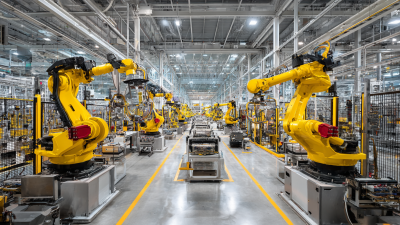
In manufacturing, robotic arms assemble products with precision. This minimizes defects but can lead to monotonous tasks for human workers. We must consider the balance between
automation and meaningful job roles. While robots excel in repetitive tasks, they lack the creativity that humans bring.
Service industries also benefit from robotic solutions.
For example, customer service bots handle inquiries around the clock. However, the lack of empathy can frustrate customers. Automating tasks can improve efficiency, but it also reminds us of our
human need for connection. We face a crucial challenge: embracing these innovations while preserving the human touch.
Key Sectors Benefiting from Robotic Solutions
Robotic solutions are reshaping various sectors today. In manufacturing, robots enhance efficiency and accuracy. Studies indicate that production lines using robots can increase output by 30%. However, this growth can lead to workforce displacement. The challenge is balancing automation with job creation.
In healthcare, robotics streamline surgical procedures. For instance, automated systems can perform complex surgeries with high precision, reducing recovery times for patients. Reports show that hospitals utilizing robotic systems see up to a 15% decrease in surgical complications. Yet, concerns about accessibility and training for medical staff remain.
The agriculture sector is also witnessing a robotic revolution. Drones and automated equipment are now essential for crop monitoring and harvesting. Data suggests that farms using these technologies increase yield by 20-25%. However, investing in advanced machinery can strain smaller farms financially. Overall, while robotic solutions offer tremendous benefits, industries must address the accompanying challenges.
Top 10 Robotic Solutions Transforming Industries Today
Innovative Robotic Technologies Transforming Manufacturing
Robotic technologies are reshaping the manufacturing landscape today. Companies increasingly adopt automation to boost efficiency and reduce errors. Robots can now handle tasks ranging from assembly to quality control. They work alongside humans, creating a collaborative environment. This blend enhances productivity, but it also poses challenges.
Manufacturers experience a steep learning curve when integrating new robotic systems. Training employees to work with robots is essential. Some workers may feel threatened by automation. It is crucial to address these concerns to ensure a smooth transition. Robots are impressive, but they still need human oversight. Mistakes can occur when machines misinterpret data. Regular maintenance and updates are required to mitigate these risks.
The emergence of advanced robotics brings excitement. However, it also requires reflection on its implications. Increased efficiency could lead to workforce reduction if not handled carefully. Balancing innovation with the human element remains a challenge. Adaptable solutions must cater to evolving needs while considering ethical implications. The future of manufacturing relies on refining these robotic technologies responsibly.
Top 10 Robotic Solutions Transforming Industries Today
| Rank |
Robotic Solution |
Industry |
Description |
Impact |
| 1 |
Collaborative Robots (Cobots) |
Manufacturing |
Robots designed to work alongside human workers. |
Increased efficiency and safety in production lines. |
| 2 |
Autonomous Mobile Robots (AMRs) |
Logistics |
Mobile robots that autonomously navigate warehouses. |
Streamlined supply chain management and reduced labor costs. |
| 3 |
Automated Guided Vehicles (AGVs) |
Manufacturing |
Robots that follow predefined pathways to transport goods. |
Reduced operational costs and improved logistic workflows. |
| 4 |
Industrial Robots |
Automotive |
Robots used for mass production and assembly tasks. |
Higher production rates and consistency in quality. |
| 5 |
Drones |
Agriculture |
Flying robots for monitoring crops and spraying pesticides. |
Enhanced crop yield and reduced chemical usage. |
| 6 |
Robotic Process Automation (RPA) |
Finance |
Software robots that automate repetitive tasks. |
Increased productivity and reduced human error. |
| 7 |
Humanoid Robots |
Healthcare |
Robots designed to assist in healthcare environments. |
Improved patient care and support. |
| 8 |
Exoskeletons |
Manufacturing |
Wearable robots that enhance physical capabilities. |
Reduced worker fatigue and injury rates. |
| 9 |
Cleaning Robots |
Hospitality |
Robots designed for cleaning and maintenance tasks. |
Increased hygiene standards and reduced labor costs. |
| 10 |
Telepresence Robots |
Corporate |
Robots that allow remote communication via video. |
Enhanced remote collaboration and engagement. |
Impact of Robotics on Supply Chain and Logistics
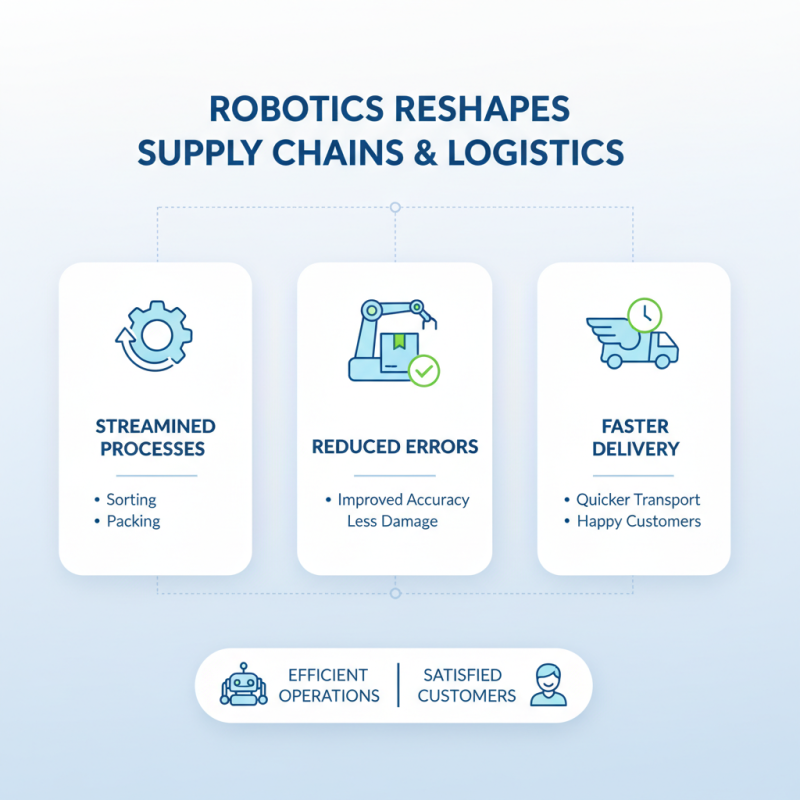
Robotics is reshaping supply chains and logistics with innovative solutions. Automated systems streamline processes, reduce errors, and speed up delivery. Robotics can handle tasks like sorting, packing, and transporting goods. This leads to efficient operations and happier customers.
While adopting robotics brings many benefits, challenges remain. High initial costs can deter smaller companies. Integrating new tech with existing systems isn't always smooth. Training workers to adapt to new roles is essential. It's crucial to balance technology and human input to avoid gaps in service.
**Tip:** Assess your current operations regularly. Look for areas where robotics could save time. Start small; implement one solution and evaluate its effectiveness. Gradually expand as you gain confidence. Embrace the journey of transformation.
Future Trends in Robotics and Industry Integration
The future of robotics is bright and transformative. Industries are increasingly adopting robotics for efficiency and innovation. We see robots changing manufacturing, healthcare, and logistics. In manufacturing, robots handle repetitive tasks and reduce human error. This automation leads to faster production rates. However, it raises concerns about job displacement.
Integration of AI with robots is another trend. Intelligent robots learn from data, adapting to new tasks quickly. For instance, in healthcare, robotic surgical assistants enhance precision. Yet, the reliance on technology poses risks. Human oversight is crucial to preventing errors.
Looking ahead, ethical implications must be addressed. Collaboration between humans and robots is vital. This includes exploring regulatory frameworks to ensure safety. The potential is immense, but challenges remain. The industry must find balance in automation and human employment.