Top Rebar Bending Machines for Global Buyers
Global construction is entering a demanding equipment cycle. The Global Infrastructure Hub estimates that the world needs about USD 94 trillion in infrastructure investment through 2040. Much of that work depends on reinforced concrete, where accurately shaped steel bars support bridges, tunnels, foundations, and high-rise structures. According to the World Steel Association, construction and infrastructure consume roughly half of global steel output. This scale makes the Rebar Bending Machine more than a workshop purchase. It becomes a production, safety, and delivery decision.
Global buyers need evidence, not attractive brochures. A reliable comparison should examine bar diameter ranges, bending angles, minimum radii, cycle times, motor performance, and programmable control systems. It should also test how the machine handles repetitive work on a dusty jobsite. The International Labour Organization emphasizes safer machinery, effective training, and risk control in industrial workplaces. Those principles matter when operators feed long, heavy bars beside moving rollers. After-sales support deserves equal attention. Spare-part availability, remote diagnostics, local technicians, and clear operating manuals can protect schedules across borders.
No machine fits every project. A compact unit may suit a contractor, yet fail a high-volume prefabrication plant. A powerful model may impress, but consume unnecessary energy. Market reports can guide research, although their forecasts sometimes simplify regional realities. Buyers should verify claims through demonstrations, reference projects, inspection records, and total-cost calculations. This guide reviews leading rebar bending machines for global buyers, while recognizing one uncomfortable truth: the cheapest quotation can become the most expensive decision.
Rebar Bending Machines: Types, Functions, and Main Applications
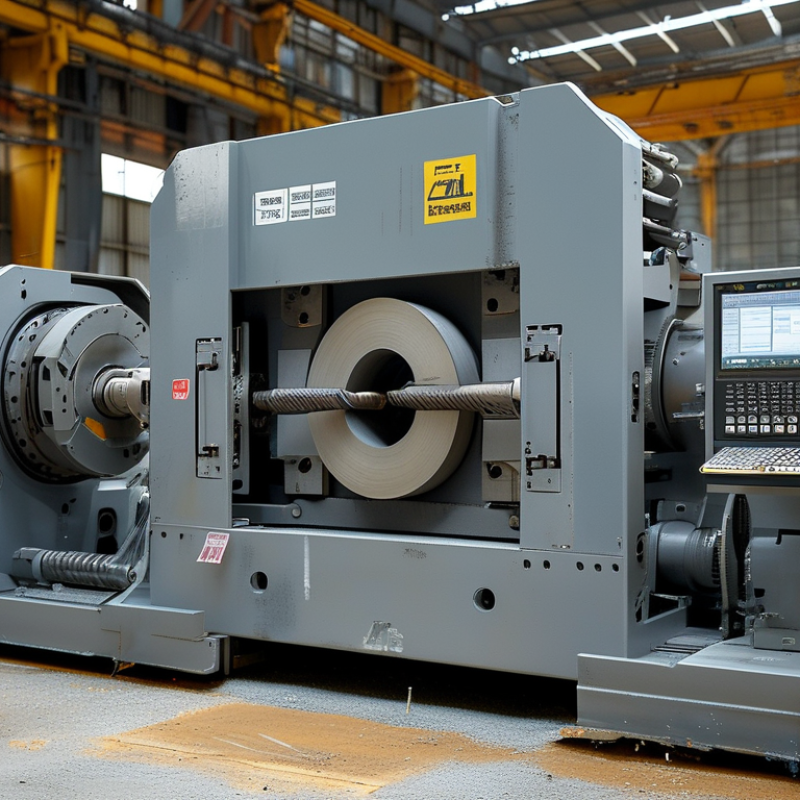
Rebar bending machines serve different site conditions, production volumes, and steel diameters. Manual machines suit small repairs, light bars, and occasional foundation work. They need more physical effort, but their simple structure is easy to inspect. Electric bending machines provide faster, repeatable angles for residential and commercial projects. Hydraulic models handle thicker reinforcement bars with steadier force and less operator strain.
CNC rebar bending machines add programmable control to high-volume fabrication. Operators can set bar lengths, bending angles, and production sequences on a digital interface. This reduces measuring errors when producing stirrups, hooks, rings, and complex frames. However, programming still requires practical judgment. A wrong bar allowance can repeat across hundreds of pieces. That detail is easy to miss.
In my experience, the best machine depends on the reinforcement schedule, not only motor power. Bridge projects often need strong hydraulic equipment for large bars and continuous operation. Precast factories may prefer CNC systems for identical cages and rapid changeovers. Smaller building sites can choose electric equipment for foundations, columns, beams, and slabs. Check bending diameter limits, emergency controls, power supply, guarding, and calibration records before purchase. The floor must also remain stable during operation. It sounds basic. It matters. Operators should test sample bars before full production, because steel grade, temperature, and bar rib patterns can affect the final angle. Availability of spare parts and technician support also influences long-term reliability.
How to Select a Machine for Different Rebar Sizes and Projects
Top Rebar Bending Machines for Global Buyers
Selecting a rebar bending machine starts with the steel used on your projects. Check the full diameter range, not only the maximum capacity. A machine rated for 32 mm bar may struggle with repeated bends near that limit. For small bars, confirm whether the machine can bend 6 mm or 8 mm rebar accurately. Different diameters often require different pins, rollers, or bending settings. Verify compatibility with your local steel grades and required bending angles.
Project conditions matter just as much. A workshop may need a powerful, fixed machine with a stable worktable. A construction site may require compact equipment, lifting points, and simple controls. Check the available voltage, phase type, and frequency before ordering. This detail is easy to miss. It can delay installation for days. Review the machine’s duty cycle, emergency stop, guard design, and maintenance access. Ask for operating manuals and technical drawings in a language your team understands.
Test before full production.
Use sample bars from your actual supplier. Measure the finished radius, angle, and repeatability after several cycles. I have seen operators trust a digital setting without checking the first batch. That is a costly habit. A reliable machine should keep bends consistent while producing stirrups, hooks, or large structural frames. Still, no specification replaces training and inspection. Consider spare wear parts, service response, and operator experience. The cheapest option may not suit demanding projects. My own selection process has changed after overlooking setup time once.
Global Safety Standards and Compliance Considerations
For global buyers, rebar bending machines must meet safety requirements before production speed is considered. The ILO estimated 2.93 million work-related deaths and 395 million non-fatal injuries in 2021. Its 2024 global report shows why machine safeguards deserve serious attention.
A practical assessment starts with ISO 12100 risk reduction principles. Check rotating shafts, bending rollers, pinch points, and exposed electrical parts. Guards should resist removal during normal operation. Interlocked access doors should stop movement immediately. Emergency-stop devices must remain reachable from operating positions. Small details matter.
Electrical systems should align with IEC 60204-1, while safety-related controls may require ISO 13849-1 validation. Buyers supplying European markets should review the Machinery Regulation (EU) 2023/1230 and its transition timeline. Other regions may require local certification, electrical testing, noise records, and operator-language instructions. A certificate alone is not proof of safe integration. The machine may become hazardous after installation, maintenance, or tooling changes.
Request the risk assessment, conformity documentation, circuit diagrams, test results, and maintenance schedule. During factory acceptance testing, observe a complete bending cycle. Test emergency stops, restart prevention, guarding, and fault recovery. Inspect cable routing and floor stability. In my experience, paperwork is often polished, but practical training remains uneven. That deserves honest review. WHO and ILO estimates also show that prevention must include workers, not only equipment. Require documented training, lockout procedures, and periodic inspections before the first production shift.
Operation, Maintenance, and After-Sales Support for Global Buyers
Top Rebar Bending Machines for Global Buyers
For global buyers, a rebar bending machine must deliver more than impressive catalogue speed. Operation should feel predictable on a busy steel-fabrication floor. Operators need clear controls, guarded moving parts, and accurate angle settings. World Steel Association’s World Steel in Figures 2024 indicates that construction consumes roughly half of global steel demand. This scale makes repeatable bends commercially important. Before shipment, request a recorded test using your actual bar diameters. Check bend angles, cycle time, noise, and emergency-stop response. Small details matter.
Maintenance should follow working hours, not guesswork. Daily checks can include lubrication points, electrical cables, limit switches, and hydraulic leaks. Weekly inspections should examine bending pins, rollers, fasteners, and unusual vibration. Keep a simple service log with dates, operating hours, and replaced parts. The ILO’s 2023 report estimates nearly three million work-related deaths each year worldwide. That figure is not machine-specific, but it reinforces the need for practical training and disciplined lockout procedures. In real workshops, perfect uptime is unrealistic. Dust, overloaded bars, and rushed adjustments still cause trouble.
After-sales support should be written into the purchase agreement. Define spare-part lead times, remote diagnostics, technician response, warranty boundaries, and training hours. Ask for wiring diagrams, maintenance videos, and multilingual fault codes. A supplier that measures response performance is more reliable than one offering vague promises. Buyers should also confirm local service coverage before paying. The machine may meet its factory test yet struggle with unfamiliar voltage, climate, or operator habits. That gap deserves honest discussion.