
01302 246818

Top Pet Bottle Baling Machine Manufacturers Worldwide

Choosing among the top Pet Bottle Baling Machine manufacturers worldwide requires more than comparing prices and advertised output. A reliable evaluation considers field experience, engineering quality, service capacity, and measurable machine performance. These factors matter in recycling plants, warehouse operations, and material recovery facilities. A well-built baler should compress sorted PET bottles into stable, dense bales. It should also support safe feeding, consistent strapping, and simple maintenance. Operators notice the difference during long shifts. Noise, access to wear parts, and control-panel clarity can affect daily productivity.

This guide examines manufacturers through practical and professional criteria. It considers chamber design, hydraulic systems, automation options, energy use, bale dimensions, and production capacity. Manufacturer reputation also depends on installation support, training, spare-parts availability, and response times after delivery. Certifications can provide useful evidence, but they should not replace factory visits, technical records, or customer feedback. Real performance may differ from catalog figures. That point deserves attention.

Some facilities need a compact vertical machine. Others require a high-throughput horizontal baler with conveyor integration. The correct choice depends on bottle volume, labor conditions, floor space, and recycling goals. Budget is important, but the cheapest machine may create higher costs through downtime and difficult repairs. No ranking is perfect. Manufacturers change, markets shift, and user expectations vary. Therefore, this overview offers a careful starting point rather than an unquestionable verdict. Readers can compare suppliers more confidently and identify equipment that fits their actual material flow. Small details often decide success. Reliability is built daily.
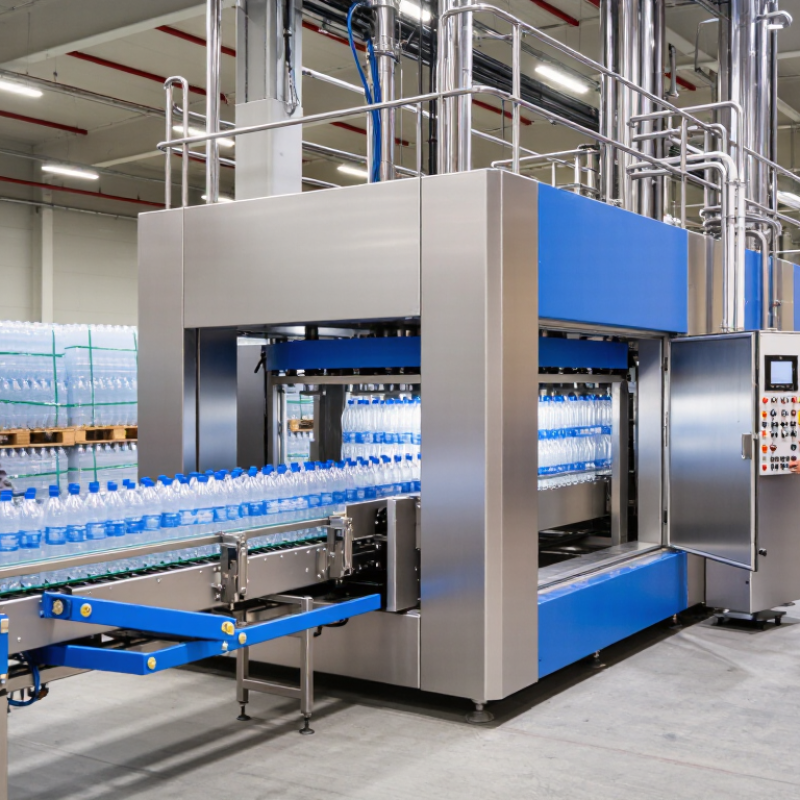
Top Pet Bottle Baling Machine Manufacturers Worldwide

What Is a PET Bottle Baling Machine?

A PET bottle baling machine compresses loose polyethylene terephthalate bottles into dense, tied bundles. These machines usually work after sorting, labeling, and moisture removal. The feeder opens into a pressing chamber. A hydraulic ram then pushes bottles against a steel door or opposing plate.

The bale is tied with wire or plastic strapping before discharge. Simple, but not effortless. Bottle caps, liquid residue, and mixed plastics can reduce bale quality. Operators must check pressure, bale weight, moisture, and contamination during every shift. A poorly adjusted machine may produce loose bales that collapse during storage or transport. Safety sensors, guarded chambers, and emergency stops are essential engineering features.

The need for better compaction is substantial. The OECD Global Plastics Outlook reported 353 million tonnes of plastic waste worldwide in 2019, while only 9% was recycled. PET collection systems therefore need reliable volume reduction. In the United States, NAPCOR’s 2022 Report on Postconsumer PET Container Recycling Activity estimated the PET bottle recycling rate at 29.1%. A baler does not create recycling capacity by itself. It improves handling efficiency after collection and sorting.

In practical use, a recycling facility may feed thousands of lightweight bottles into one chamber each hour. Actual output varies with bottle shape, moisture, labor, and machine settings. Manufacturers often publish capacity figures, but field conditions can be less generous. That difference deserves careful testing before purchase.

How PET Bottle Baling Machines Work

A PET bottle baling machine turns loose containers into dense, manageable bales for storage and transport. The process begins when bottles enter a conveyor or feeding hopper. Operators usually remove obvious contaminants before compression. This small step matters because metal, food residue, and excessive moisture can reduce bale quality.

Inside the machine, a hydraulic ram pushes bottles into a steel chamber. Some systems perforate or pre-crush bottles first, allowing trapped air to escape. The ram moves through repeated cycles until the chamber reaches its programmed density. Sensors monitor pressure and position, while adjustable settings help handle different bottle sizes. Then, tying wires or plastic straps secure the compressed block. The finished bale is pushed out through an automatic or assisted ejection system.

Good results depend on preparation. Bottles should be reasonably dry and free from heavy contamination. A poorly adjusted ram may create loose edges or uneven bales. That happens more often than manuals suggest. Regular checks of hydraulic oil, seals, sensors, and tying equipment improve reliability. Workers should also inspect emergency stops and keep hands away from the chamber. In my experience, operators often focus on maximum density, but stable bale shape is equally important. Over-compression can increase wear without improving handling. The best setting is usually found through measured trials, not guesswork.

Top Pet Bottle Baling Machine Manufacturers Worldwide - How PET Bottle Baling Machines Work

Machine Configuration Typical Throughput Typical Bale Density Common Bale Size Compression Force Drive Power Feeding Method Tying Method How the Machine Works Typical Application
Vertical PET Bottle Baler 30–100 kg/h 80–150 kg/m³ 700 × 500 × 800 mm to 1100 × 700 × 1100 mm 10–30 tonnes 4–15 kW Manual top loading Manual steel wire or polypropylene strapping PET bottles are loaded into a chamber. A hydraulic ram moves downward, compresses the bottles, and remains in position while the compacted bale is secured and removed. Retail stores, small collection centers, hotels, schools, and low-volume recycling points
Semi-Automatic Horizontal Baler 100–300 kg/h 150–250 kg/m³ 1100 × 700 × 800 mm to 1200 × 1100 × 1100 mm 30–80 tonnes 11–30 kW Conveyor, hopper, or manual loading Manual wire or strap tying after compression A horizontal hydraulic ram pushes the material into a compression chamber. Once the target bale length is reached, the operator ties the bale before opening the discharge door. Material recovery facilities, medium-sized warehouses, and regional recycling stations
Fully Automatic Horizontal Baler 300–800 kg/h 200–350 kg/m³ 1100 × 750 × 1100 mm to 1200 × 1100 × 1200 mm 60–120 tonnes 22–75 kW Continuous conveyor feeding Automatic wire tying or automatic strapping Conveyors feed bottles continuously. Sensors control filling and bale length, hydraulic cylinders compact the material, and an automatic tying unit secures the finished bale with limited operator intervention. Large recycling facilities, municipal sorting plants, and high-volume PET collection operations
Two-Ram PET Baler 600–1500 kg/h 250–400 kg/m³ 1100 × 1100 × 1200 mm to 1200 × 1100 × 1500 mm 80–150 tonnes 45–110 kW Continuous metered conveyor feeding Automatic multi-wire tying One ram controls material loading and chamber filling while a second ram performs final compression. This arrangement reduces interruptions and supports continuous high-volume operation. Industrial recycling plants and facilities processing several material streams
Pre-Press PET Baler 400–1000 kg/h 220–360 kg/m³ 1100 × 750 × 1100 mm to 1200 × 1100 × 1200 mm 60–130 tonnes 30–90 kW Conveyor or air-separation line Automatic wire tying or strapping A pre-press chamber first removes excess air from loose bottles. The material then enters the main chamber, where a high-force ram produces a denser and more stable bale. Facilities handling lightweight bottles with high air volume and limited storage space
PET Bottle Baler with Perforation Unit 250–700 kg/h 250–400 kg/m³ 1100 × 750 × 1100 mm to 1200 × 1100 × 1200 mm 50–120 tonnes 30–75 kW Conveyor-fed bottles Automatic wire tying or strapping Rotating knives or perforation rollers release trapped air from sealed bottles before compaction, improving bale density and reducing spring-back after compression. Post-consumer PET processing lines and plants receiving uncrushed bottles
Baler for Washed and Flake-Contaminated PET 200–600 kg/h 180–320 kg/m³ Variable; commonly 1000–1200 mm bale length 40–100 tonnes 22–75 kW Conveyor or enclosed hopper Plastic strap or corrosion-resistant wire The hydraulic system compresses cleaned PET containers or mixed PET fractions. Drainage, corrosion protection, and chamber cleaning are important when residual water or process chemicals are present. Washing lines, reclaiming plants, and PET flake production facilities
Mobile or Compact PET Baler 50–250 kg/h 100–250 kg/m³ 600 × 500 × 800 mm to 1100 × 700 × 1100 mm 15–60 tonnes 5.5–30 kW Manual loading or short conveyor Manual tying or semi-automatic strapping A compact hydraulic system compresses PET inside a smaller chamber. Casters or a transport frame allow the unit to be repositioned when collection volumes or storage locations change. Transfer stations, temporary collection sites, small warehouses, and decentralized recycling operations
Standard Operating Cycle Depends on chamber size and material flow Increases when air is removed before pressing Determined by the chamber and bale-length setting Higher force does not always mean higher throughput Depends on pump capacity, ram speed, and automation Feed → fill → compact Tie → eject → store 1. Feed bottles into the chamber. 2. Remove trapped air where applicable. 3. Compress with a hydraulic ram. 4. Hold pressure briefly. 5. Tie the bale. 6. Eject and transfer it for storage or transport. Applicable to most hydraulic PET bottle baling systems
Key Selection Factors Match the machine to peak hourly volume Consider transport weight and storage capacity Confirm truck, conveyor, and storage compatibility Check material type and desired density Verify voltage, phase, and installed power Choose manual, conveyor, or automated feeding Specify wire, strap, or automatic tying Important considerations include bottle moisture, contamination, loose-bottle volume, required bale stability, operator availability, floor space, safety guarding, and maintenance access. Use these criteria when comparing equipment manufacturers without relying on brand-specific claims
Reference values are typical engineering ranges for PET bottle baling equipment; actual performance varies with bottle size, moisture, contamination, perforation, feed consistency, bale dimensions, hydraulic settings, and local electrical conditions.

Key Features of High-Quality PET Bottle Balers

When comparing PET bottle baling machine manufacturers worldwide, focus on measurable performance rather than polished claims. A high-quality baler should produce dense, stable bales with consistent dimensions. Adjustable compression force helps operators handle crushed bottles, loose containers, and mixed moisture levels. The chamber should resist deformation during repeated cycles. Strong steel construction matters, but precise alignment matters too. Poor alignment creates uneven bales and unnecessary wear. Reliable machines also include guarded access doors, emergency stops, and automatic cycle controls. These features protect workers and reduce operating mistakes.

Efficient PET balers should offer clear controls, simple adjustments, and useful production data. A touchscreen can display cycle time, pressure, fault messages, and maintenance reminders. Energy-efficient hydraulic systems may reduce power consumption during idle periods. Automatic tying improves bale consistency, but the tying unit must remain accessible for cleaning. In field use, dust and label fragments collect quickly. Easy access becomes important. No machine is perfect. Some models sacrifice speed for higher bale density, so buyers must match performance with available labor and storage space.

Tips: Ask for verified output records, not only brochure figures. Test sample bottles with similar moisture and contamination levels. Check spare-part availability, training quality, and response times before purchase. Inspect welds, hydraulic hoses, sensors, and safety switches carefully. A short factory demonstration can reveal noise, vibration, and awkward maintenance points. These details often decide long-term reliability.

Top PET Bottle Baling Machine Manufacturers Worldwide

Top PET Bottle Baling Machine Manufacturers Worldwide

Top PET Bottle Baling Machine Manufacturers Worldwide are usually evaluated by practical performance, not advertising claims. Experienced manufacturers understand the uneven shape, moisture, and label residue found in collected PET bottles. Their machines should produce dense, stable bales for easier storage and transport. Reliable models often include automatic wire tying, adjustable pressure, and protected hydraulic systems. Clear manuals and accessible technical support also matter during daily operation.

Tips: Request a sample test using your own PET bottles. Check bale density, cycle time, noise, and power consumption. Ask for maintenance schedules and replacement-part availability. A factory visit or video inspection can reveal build quality, welding details, and control-panel design. Small details matter.

Manufacturers serving recycling facilities worldwide should provide measurable data, including throughput, bale dimensions, and feeding requirements. Ask how the machine performs with wet or contaminated material. Some specifications look impressive but assume ideal conditions. That can be disappointing in a busy facility. Operators should also receive practical training, because incorrect feeding can reduce output and increase wear. I would compare several proposals rather than trust the lowest price. The cheapest machine may create higher costs through downtime, difficult cleaning, or slow support. Still, even a well-built baler needs regular inspection and realistic operating expectations.

How to Choose and Maintain the Right PET Bottle Baler

Choosing the right PET bottle baler starts with your actual material flow, not a catalog photograph. Record daily bottle volume, moisture levels, label content, and available floor space. A small facility may need a vertical baler, while a high-volume site may require a horizontal, continuously fed model.

Check chamber size, pressing force, bale weight, cycle time, and power requirements. The machine should create firm bales without crushing bottles into loose plastic flakes. Ask for verified performance data and an equipment trial using your own bottles. It matters. Feed openings, wire access, and control-panel visibility also affect operator efficiency. Safety guards, emergency stops, and interlocks must be easy to inspect and use.

Maintenance begins with a clean working area. Keep it dry. Remove labels and plastic strands from the chamber, ram, guides, and sensors after each shift. Inspect hydraulic hoses, seals, wiring, and door locks weekly. Unusual vibration, slow ram movement, or oil marks deserve immediate attention. Do not keep operating while hoping the noise disappears.

Follow the service schedule, record pressure readings, and replace worn parts with correctly rated components. Train operators to load evenly and never exceed the stated capacity. In practice, overfilled chambers often cause uneven bales and unnecessary wear. I have found that maintenance logs reveal small problems earlier than visual checks. Still, records can be incomplete, especially during busy shifts. Review them regularly, and adjust inspection intervals when dust, moisture, or heavy use changes the machine’s working conditions.