Top 10 Collaborative Robots Transforming Industries Today?
Collaborative robots, often known as cobots, are reshaping industries across the globe. A recent report by the International Federation of Robotics predicts a growth rate of over 25% in the cobot market by 2025. This rapid expansion highlights their increasing importance in manufacturing, logistics, and healthcare. Cobots work alongside humans, enhancing productivity while maintaining safety.
The automotive industry has embraced collaborative robots to streamline assembly lines. For instance, Ford uses cobots to support workers in lifting heavy parts. In logistics, companies like Amazon utilize cobots for packing and sorting. However, the integration of these robots is not without challenges. Workers may feel threatened by cobots, fearing job displacement. Consequently, companies must address these concerns while promoting collaboration.
Moreover, the technology continues to develop. Some cobots still struggle with complex tasks that require fine motor skills. It is essential for businesses to assess the balance between automation and human labor. As we look at the top 10 collaborative robots transforming industries today, we see both exciting advancements and areas needing reflection. The future of work may be collaborative, but it demands careful consideration and adaptation.
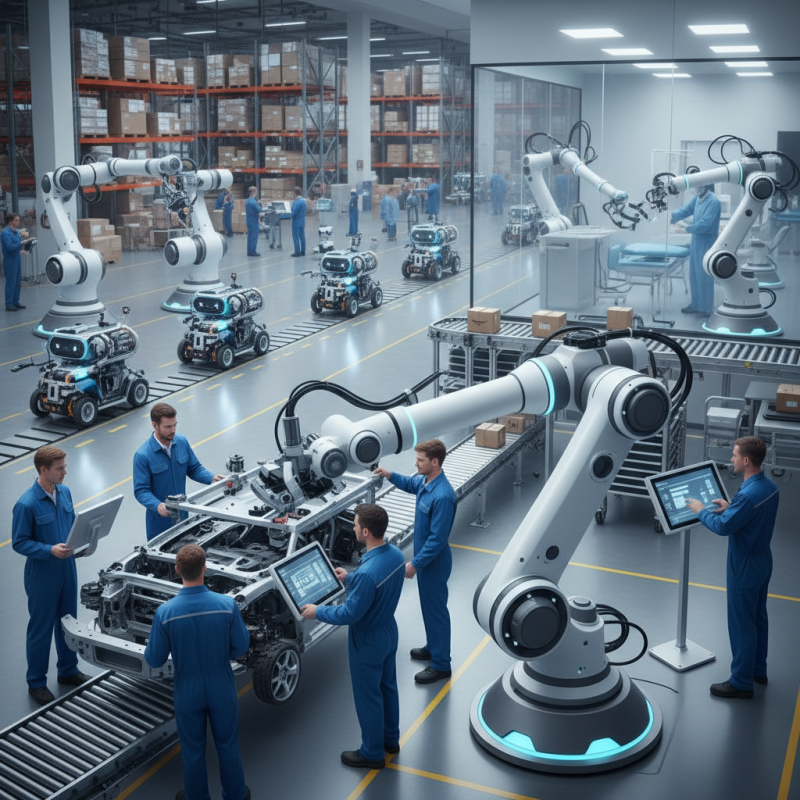
The Rise of Collaborative Robots in Industrial Automation
The rise of collaborative robots, often called cobots, is reshaping industrial automation. These versatile machines are designed to work alongside humans, enhancing productivity and safety. They can handle repetitive tasks, allowing workers to focus on more complex activities. Factories are adopting them quickly, but challenges remain.
In many workplaces, cobots are changing roles. Workers are learning to coexist with machines. This partnership boosts morale and efficiency. However, not all staff are comfortable with such changes. There is a need for training and adaptation. Some employees feel threatened by automation. They worry it may lead to job loss. Such concerns highlight the need for careful implementation.
Understanding the impact of cobots is crucial. They offer solutions but also bring anxiety. Organizations must address employee fears through education and support. Clearly, effective integration of collaborative robots requires awareness. Balancing technology with human intuition is key. This is where industries can truly thrive.
Key Features of Contemporary Collaborative Robots
Collaborative robots, or cobots, are redefining industries with their unique features. They work alongside humans, enhancing productivity without the need for safety cages. According to a recent report from the International Federation of Robotics (IFR), the global market for collaborative robots increased by 30% in the last year alone. This rapid growth reflects their adaptability across various sectors, from manufacturing to healthcare.
One standout feature of contemporary cobots is their intuitive programming capabilities. Many require minimal coding knowledge, which allows workers with varying skill levels to operate them efficiently. A 2022 industry survey indicated that 75% of businesses found cobot integration to be straightforward. However, some organizations still struggle with these robots becoming overly dependent on human operators. This dependency can hinder scalability.
Another key feature is the advanced safety measures. Cobots are equipped with sensors that allow them to detect human presence and halt operations instantly. Despite this, incidents have been reported where safety protocols were not consistently followed. Therefore, the implementation of comprehensive training programs is crucial. These programs help ensure that workers fully understand both the capabilities and limitations of collaborative robots.
Top Industries Adopting Collaborative Robots Today
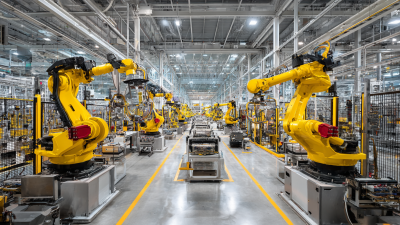
Collaborative robots, or cobots, are making waves across various industries today. Manufacturing is one area where they shine. Factories have integrated cobots to assist workers in assembling products. These robots handle repetitive tasks, which helps reduce fatigue for human workers. The synergy of humans and robots improves efficiency but raises questions about job security.
In healthcare, cobots are transforming patient care. They assist medical staff with inventory management and patient monitoring. This allows healthcare professionals to focus more on direct patient interaction. Yet, reliance on technology can lead to potential errors if not properly managed. Training staff to work alongside robots requires time and resources.
Logistics is another sector embracing cobots, particularly in warehouses. These robots sort and transport goods at remarkable speeds. They enhance productivity but may not fully eliminate human roles. Employees may feel pressured to adapt quickly. The integration of collaborative robots often leads to a mixed response among workers. While some appreciate the assistance, others worry about their future in the industry.
Case Studies: Successful Implementations of Collaborative Robots
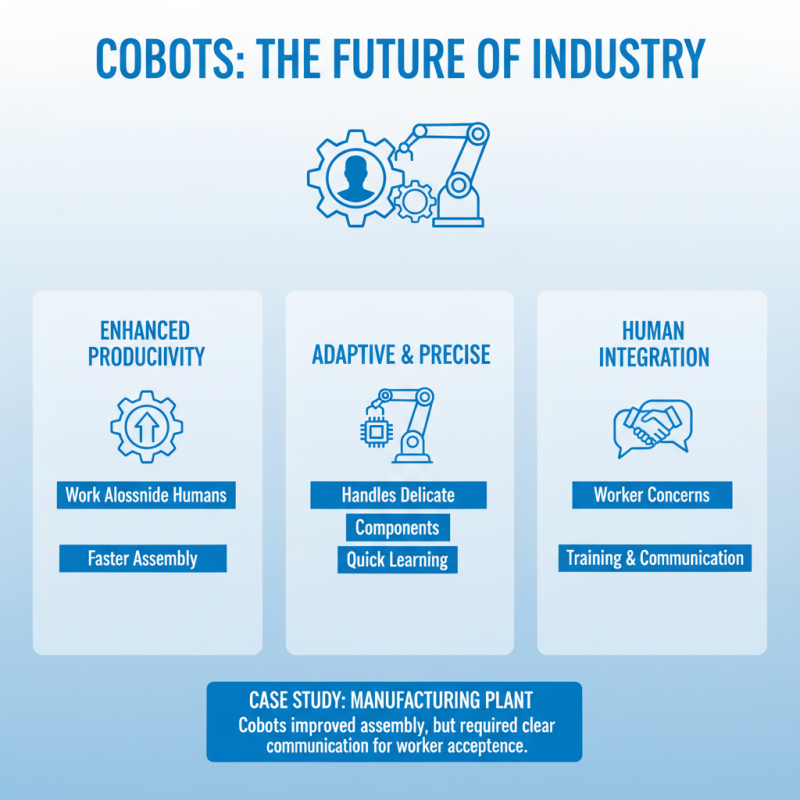
Collaborative robots, or cobots, are changing how industries operate. They enhance productivity while working alongside human workers. In a recent case study, a manufacturing plant utilized cobots for assembly tasks. They quickly learned to handle delicate components. However, some workers felt uneasy about sharing their workspace with machines. This highlights a need for effective training and communication.
In the food packaging sector, another organization implemented collaborative robots to fill and seal containers. The robots increased efficiency and minimized waste. Yet, challenges remain in ensuring consistent product quality. Some workers expressed concerns about job security and the role of automation. As industries embrace cobots, it’s essential to address these issues transparently.
Another example comes from the automotive industry. A factory deployed cobots for welding tasks, enabling faster production lines. This led to increased output, but collisions between robots and humans did occur. Such incidents reveal the importance of safety protocols and careful planning. Realistic evaluations of cobot performance are crucial for long-term success.
Future Trends in Collaborative Robotics and Industrial Transformation
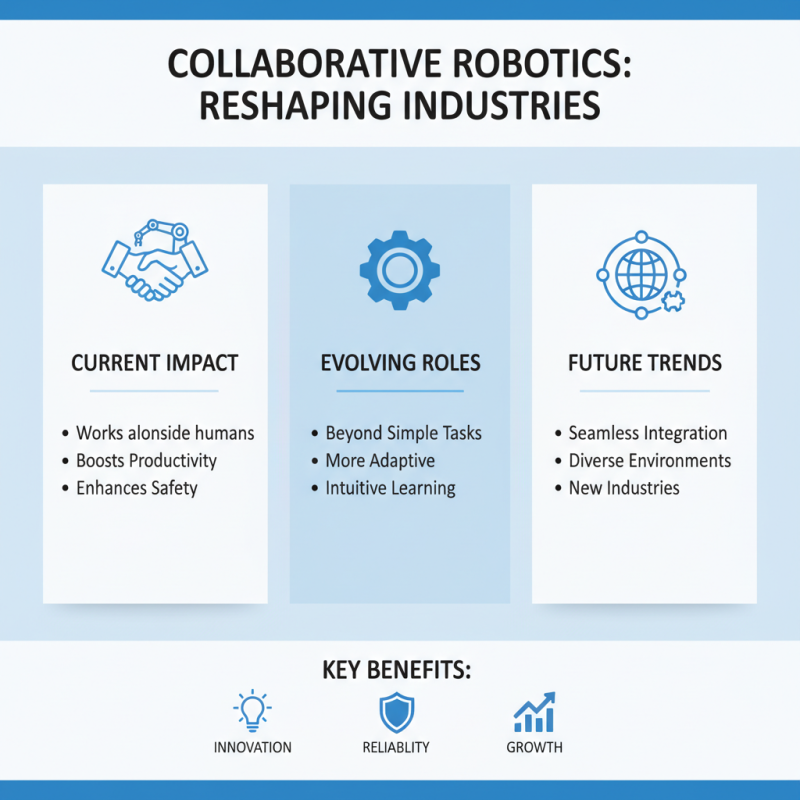
Collaborative robotics is reshaping industries rapidly. These robots work alongside humans, enhancing productivity and safety. Future trends show that their roles will expand beyond simple tasks. They are becoming more adaptive and intuitive. This adaptability allows for smoother integration into diverse environments.
Humans and robots will collaborate more fluidly. Robots will learn from their human counterparts, improving their functions. However, there are challenges to face. The reliance on technology can lead to unforeseen issues. What happens when a robot fails? It raises questions about worker dependency and skill sets. Balancing automation with human talent is crucial.
Looking ahead, we can expect broader applications in various fields. Healthcare, agriculture, and manufacturing will benefit significantly. Yet, the ethical implications still require consideration. Who is responsible in case of mistakes? As industries evolve, these questions will demand answers. The future of collaborative robotics is exciting, but it’s not without uncertainties.