2026 Top Aluminum Extrusion Manufacturers for Global Buyers
The global Aluminum Extrusion market is expanding with demand from electric vehicles, solar systems, construction, and industrial machinery. Grand View Research estimates that the global aluminum extrusion market will continue growing through 2030, supported by lightweight design and recyclable materials. However, market figures differ across research firms. Buyers should examine definitions, regions, and product categories before trusting any forecast.
The International Aluminium Institute reports that recycling aluminum can require about 95% less energy than producing primary aluminum. That advantage matters, but it depends on scrap collection, alloy separation, and documented supply chains. As Charles M. Johnson, President and CEO of The Aluminum Association, has stated, “Aluminum is essential to a sustainable future.” His comment reflects a wider industry reality: material choice alone does not guarantee responsible production. Factory energy sources, billet quality, die design, surface treatment, and inspection records also shape performance.
This guide reviews the 2026 Top Aluminum Extrusion Manufacturers for Global Buyers. It considers production capacity, alloy expertise, dimensional control, certifications, export experience, lead times, and after-sales support. Details matter. A clean profile, consistent wall thickness, and protected corners can prevent costly failures during installation. Yet no ranking is perfect. Public data may be incomplete, and supplier performance can vary by plant, alloy, and order size. Buyers should request recent test reports, sample profiles, quality certificates, and realistic production schedules before signing contracts. A lower quotation may look attractive, but hidden tooling fees and inconsistent tolerances can change the final cost.
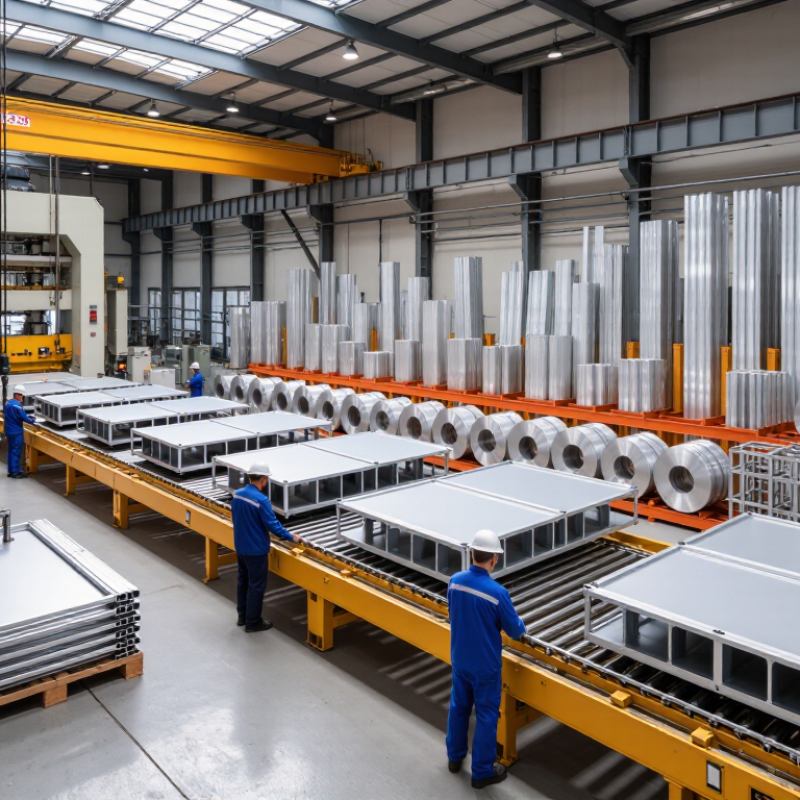
What Defines a Top Aluminum Extrusion Manufacturer in 2026
What Defines a Top Aluminum Extrusion Manufacturer in 2026
For global buyers, a top manufacturer offers more than attractive profiles and fast quotations. It proves process control from billet selection to final inspection. Experienced teams understand alloy behavior, die wear, cooling speed, and surface finish. They can explain why a 6063 profile bends differently from a 6061 structural section. That explanation matters when a drawing becomes a real frame, rail, or heat sink. Reliable production leaves evidence through mill certificates, dimensional reports, coating records, and traceable batch numbers.
Tips: Request a small trial order before approving volume production. Measure wall thickness at several points. Check corner radii, straightness, color uniformity, packaging, and delivery records. Ask how nonconforming material is isolated and corrected. A confident supplier welcomes specific questions.
A strong partner also communicates limits clearly. It should discuss minimum order quantities, tooling costs, lead times, and recycled-content claims without vague promises. Responsible sourcing includes safe workplaces, documented environmental controls, and compliance with destination-market requirements. Automated inspection improves consistency, but skilled operators still catch twisted ends and tiny scratches. Digital systems do not replace judgment. This remains an uncomfortable truth. Buyers should record problems, review corrective actions, and reassess performance after several shipments. Long-term trust comes from measurable results, not polished presentations.
Leading Aluminum Extrusion Manufacturers by Region and Specialty
2026 Top Aluminum Extrusion Manufacturers for Global Buyers
Leading aluminum extrusion manufacturers differ by region and specialty. Asia-Pacific remains the main volume center, supporting construction, solar, electronics, and transportation demand. The U.S. Geological Survey reported global primary aluminum production of about 73 million metric tons in 2024. That scale strengthens regional supply networks, but capacity alone does not guarantee consistent profiles.
European manufacturers increasingly emphasize recycled content, thermal performance, and documented carbon data. North American suppliers often focus on structural profiles, industrial enclosures, and responsive domestic delivery. The International Aluminium Institute expects aluminum demand to approach 120 million tonnes annually by 2050, driven by transport electrification and renewable energy. However, forecasts are not promises. Energy prices, scrap availability, and regional trade rules can quickly change purchasing decisions.
Tips: Ask for alloy certificates, dimensional inspection records, and extrusion tolerance data before approval. Request recycled-content evidence and product carbon-footprint calculations. Compare die charges, minimum order quantities, finishing options, and packaging standards together. A factory audit helps, but one visit may not reveal seasonal quality variation. Fit matters. Define testing methods in the contract, including hardness, coating thickness, and tensile performance. For complex profiles, send a functional sample with clear load points and assembly notes.
2026 Top Aluminum Extrusion Manufacturers for Global Buyers
Common Extrusion Alloy Grades by Strength and Specialty
This comparison highlights commonly specified aluminum extrusion alloys used for structural, architectural, transportation, and high-strength applications. Values show representative minimum tensile-strength levels in MPa for widely used T5 or T6 tempers; exact requirements vary by standard, temper, wall thickness, and product design.
Key Products, Alloys, and Customization Capabilities
For global buyers, evaluating aluminum extrusion manufacturers means looking beyond catalog size. The useful questions concern product range, alloy control, and repeatable customization. Common products include architectural frames, heat sinks, rail channels, machine guards, and transport profiles. Each application changes the specification. 6063 alloy suits many visible architectural sections because it extrudes smoothly and accepts anodizing well. 6061 offers higher strength for structural components, although it may require more careful extrusion control. 6082 can support demanding load conditions in some applications. However, alloy availability and regional standards should be verified before purchase.
Experienced suppliers should explain billet sourcing, die design, quenching, aging, and dimensional inspection. Ask for mill certificates, hardness data, surface-finish samples, and inspection records. Small details matter. A profile that looks correct may still fail after cutting, drilling, or assembly. Customization can include wall-thickness changes, hollow sections, tight tolerances, CNC machining, punching, bending, powder coating, and anodizing. Clear drawings help, but factory feedback is equally valuable. Sometimes a requested shape is possible yet wasteful, slow, or unstable during production. That uncomfortable answer can prevent costly tooling revisions. Buyers should also check packaging, moisture protection, batch traceability, and replacement procedures. Not every supplier documents these points consistently. That is a risk worth discussing early.
Pricing, Lead Times, and Supplier Selection for Global Buyers
Global buyers should compare aluminum extrusion quotes by total landed cost, not unit price alone. A reliable quote separates alloy, profile weight, tooling, finishing, packaging, freight, and inspection charges. Ask whether the price uses current metal costs or a fixed quotation period. Tooling is often inexpensive for simple profiles but rises sharply with tight tolerances or complex hollows. A low unit price can hide expensive minimum order quantities. Watch the gaps.
Lead times Lead times usually include design review, die production, first-article approval, extrusion, finishing, and dispatch. For a standard profile, production may take two to four weeks after approval. Custom dies may add two or three weeks. Sea freight can add several more weeks, especially during port congestion. Request a milestone schedule with named responsibilities. “Ready to ship” does not always mean “ready for installation.”
Supplier selection should reflect technical evidence, not polished sales language. Review sample inspection reports, alloy certificates, dimensional records, and corrective-action history. Confirm equipment capacity for your profile size and annual volume. A video audit can reveal storage, packing, and process-control conditions. I have seen buyers choose the cheapest offer, then pay more for rework and delayed assembly. My own early lead-time estimates were sometimes too optimistic. Build a buffer, but do not accept vague promises. Ask for written remedies when specifications or delivery dates are missed.