Top 5 Agricultural Drones You Should Consider in 2026?
In recent years, Agricultural Drones have revolutionized farming practices across the globe. These innovative tools assist farmers in monitoring crops, managing resources, and boosting yields. As we look towards 2026, the selection of the best agricultural drones can significantly impact productivity and sustainability.
The rise of precision agriculture has made these drones essential. They offer real-time data and aerial imagery to farmers. This technology helps identify areas needing attention, ensuring better crop health. However, the rapid advancement in drone technology can overwhelm potential buyers. Choosing the right drone isn’t always straightforward. There are many models, each with unique features and specifications.
Farmers must consider their specific needs. Not every drone suits every farm. Factors like terrain, crop type, and budget play crucial roles. It’s essential to reflect on experiences and consult experts before making a decision. This approach can lead to better outcomes. In this guide, we will explore the top five agricultural drones to consider in 2026, helping you make an informed choice.
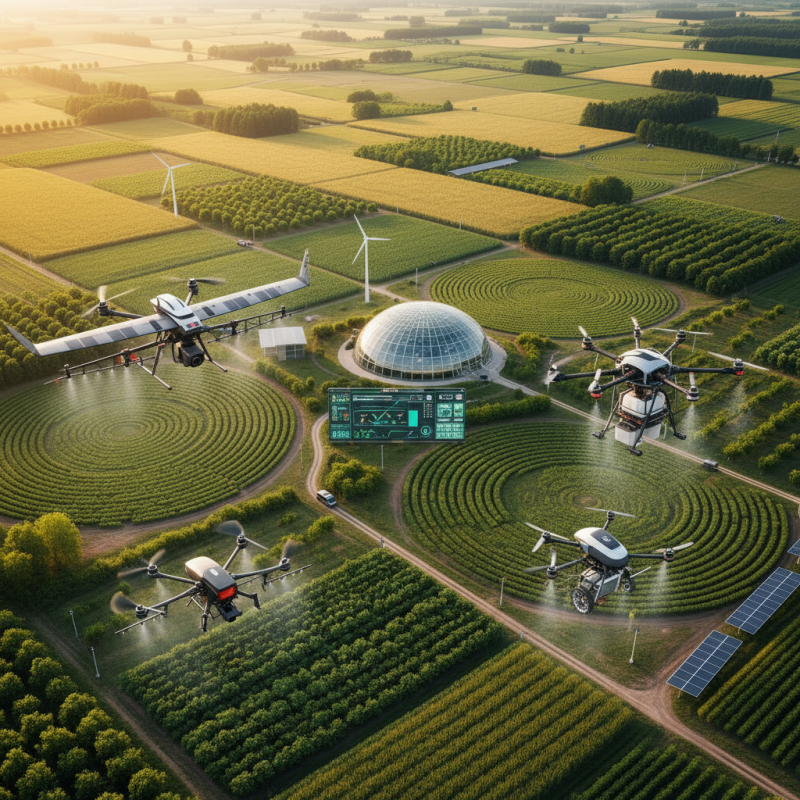
Overview of Agricultural Drones and Their Importance in Modern Farming
Agricultural drones are revolutionizing modern farming. These unmanned aerial vehicles play a critical role in increasing efficiency and productivity. Recent reports suggest that the global agricultural drone market is expected to reach $6.2 billion by 2026. This growth is fueled by the demand for precision farming techniques. Farmers utilize drones for tasks such as crop monitoring and soil analysis.
Drones provide real-time data, enhancing decision-making in agriculture. They can cover large areas quickly, allowing farmers to identify issues like pest infestations or nutrient deficiencies. According to a study from the Agricultural Technology Institute, drones can reduce labor costs by up to 70% while improving crop yields significantly. This efficiency highlights their importance. However, not all farmers can easily adopt this technology. Many face barriers such as high initial costs or lack of technical knowledge.
The integration of drones in agriculture also prompts concerns. Data privacy and security are critical issues amidst increasing reliance on technology. Farmers must navigate this evolving landscape carefully. While drones offer numerous benefits, their implementation can challenge traditional farming practices. Balancing innovation with ethical considerations will be essential in maximizing their potential.
Top 5 Agricultural Drones You Should Consider in 2026
| Drone Model | Max Flight Time | Payload Capacity | Camera Resolution | GPS Accuracy | Price Range |
| Model A | 30 mins | 5 kg | 20 MP | 2 m | $1,200 - $1,500 |
| Model B | 25 mins | 3 kg | 24 MP | 1.5 m | $900 - $1,200 |
| Model C | 35 mins | 8 kg | 16 MP | 2 m | $1,800 - $2,200 |
| Model D | 40 mins | 6 kg | 30 MP | 1 m | $2,500 - $3,000 |
| Model E | 30 mins | 4 kg | 12 MP | 2.5 m | $700 - $900 |
Key Features to Look for in Agricultural Drones for Precision Farming
When considering agricultural drones for precision farming, key features are vital for maximizing efficiency. Look for a high-resolution camera. This will improve your crop monitoring process. Drones with multispectral imaging capabilities can also provide insights into plant health. High-definition imagery can reveal nutrient deficiencies that may go unnoticed.
Flight time and range are crucial. A drone should cover a significant area without frequent recharges. Aim for at least 30 minutes of flight time. Additionally, consider user-friendly controls. A well-designed interface can reduce training time for farm workers.
Data analytics features are becoming essential too. Drones that offer integrated software can analyze collected data effectively. This helps farmers make informed decisions based on real-time information. However, be cautious. Sometimes, technology fails, leading to incomplete data. Regular maintenance is necessary to ensure drones operate smoothly in the field. Precision farming relies on these tools, but they require thoughtful use.
Top 5 Agricultural Drones to Watch in 2026: A Comparative Analysis
As agriculture evolves, drones play a pivotal role. By 2026, the agricultural drone market is projected to surpass $6 billion, according to a recent report by MarketsandMarkets. This growth is driven by the demand for precision farming techniques. Farmers face challenges like crop disease, pest management, and resource allocation. Drones can address these issues effectively.
Key features of upcoming drones include advanced imaging technology and AI integration. These advancements enable real-time crop monitoring and data analysis, improving yield forecasting. A 2022 study highlighted that using drones can increase crop productivity by 15% on average. However, data privacy and the reliability of drone software remain concerns. Farmers need clearer guidelines and support when integrating these technologies.
Cost is another factor to consider. While prices for agricultural drones are decreasing, the initial investment and maintenance costs can be daunting for small-scale farmers. Training and knowledge gaps can hinder effective usage. Ongoing education and workshops are essential to ensure all farmers can fully benefit from this technology in 2026 and beyond.
Cost-Benefit Analysis of Investing in Agricultural Drones for Farmers
Investing in agricultural drones is becoming increasingly crucial for modern farming. Farmers are often faced with the challenge of maximizing yield while minimizing costs. A well-calculated cost-benefit analysis reveals that agricultural drones can significantly enhance efficiency. Farmers can monitor crop health, detect pest issues, and apply fertilizers more precisely. This precision reduces wasted resources and boosts overall crop productivity.
However, the initial investment in drones can be a barrier for many. While drones offer valuable data, the cost of technology can strain tight budgets. Farmers must weigh the immediate expenses against long-term benefits. It's essential to consider factors such as maintenance, training, and the learning curve associated with adopting this new technology. Drones may not be a silver bullet for all agricultural problems.
Understanding return on investment is vital. Many farmers report improved yields and reduced chemical use, leading to substantial savings in the long run. But, results can vary widely based on location and crop type. Harnessing drone technology requires careful planning and adaptation. For farmers, the key lies in assessing whether drones align with their specific needs and goals. This thoughtful approach can lead to a more productive and sustainable farming practice.
Top 5 Agricultural Drones Cost-Benefit Analysis for Farmers in 2026
Future Trends in Agricultural Drone Technology and Their Applications
As agricultural drone technology evolves, its applications expand significantly. Drones are becoming pivotal in precision farming. Farmers use them to monitor crop health. High-resolution cameras capture detailed images of fields. These images help identify pest infestations or nutrient deficiencies. The data collected can lead to informed decisions and improved crop yield.
Emerging trends highlight the integration of AI and machine learning in drones. These technologies allow for real-time data analysis. Drones can learn from previous data and make autonomous decisions. This development saves time and labor costs. Moreover, farmers can expect better accuracy in pesticide spraying, reducing chemical waste and environmental impact.
However, challenges remain. Not all farmers can afford advanced drone technology. Training is essential for effective drone use. There is also the question of data security and privacy. Farmers must navigate these complexities while adopting drone technology. Future advancements should address these concerns, ensuring that benefits are accessible to all.