Top 10 Tips for Choosing the Best Wall Mount Power Supply?
Choosing the right Wall Mount Power Supply is essential for both efficiency and safety. A recent industry report indicates that nearly 30% of power supply failures can be traced back to poor selection. This emphasizes the need for careful consideration. The market for power supplies is projected to reach $30 billion by 2025, showcasing their significant role in modern technology.
Selecting a Wall Mount Power Supply involves consideration of various factors. The capacity must match your device requirements. Additionally, efficiency ratings impact energy consumption, often linked to long-term costs. However, many users overlook these critical aspects, which can lead to suboptimal performance.
Furthermore, reliability is paramount. According to a survey, 40% of professionals experienced issues due to incompatible power supplies. Not all models are equally reliable. Therefore, understanding the specific needs of your devices is crucial. It's a common pitfall to prioritize price over quality, which can result in future expenses. Take time to assess the options available in the market.
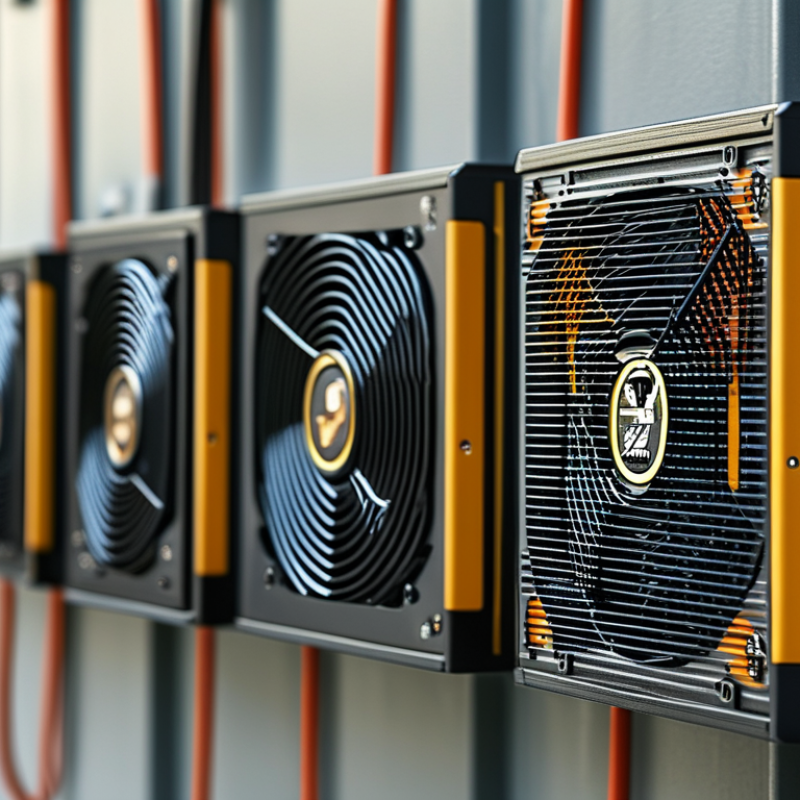
Understanding the Power Requirements of Your Devices for Compatibility
When selecting a wall mount power supply, understanding the power requirements of your devices is crucial. Every device has specific voltage and current needs. Failing to match these can lead to performance issues or damage. Check the device specifications carefully, noting the required wattage. This will guide your search for the right power supply.
One important tip is to consider over-specifying your power supply. Choosing a unit with a slightly higher wattage than required can provide stability. It also allows for future device additions. Look for products that offer universal voltage compatibility. This can enhance the usefulness of your power supply, particularly if you travel.
Lastly, don't overlook the connector type. Devices may require specific connector styles for optimal performance. Finding compatible connectors can sometimes be challenging. Research your device's requirements thoroughly, including pin configurations. Taking these details into account can prevent future frustrations. Make sure your chosen power supply meets all compatibility criteria.
Evaluating Power Supply Efficiency Ratings: What They Mean for Performance
Evaluating power supply efficiency ratings is crucial for optimal performance. These ratings often appear as 80 Plus ratings, indicating efficiency levels. For instance, an 80 Plus Bronze rating signifies at least 82% efficiency at 20% load, 85% at 50%, and 82% at 100%. In contrast, a Platinum rating guarantees at least 90% efficiency at 50% load.
High efficiency can lead to significant cost savings over time. According to the U.S. Department of Energy, energy-efficient power supplies can reduce operating costs by up to 20%. This not only benefits users financially but also reduces environmental impact. However, higher-rated units generally come at a premium price. This sparks debate regarding their long-term value.
It’s vital to assess your own power requirements. Consider how often you operate your devices at peak loads. A unit with a higher efficiency rating may not be necessary for casual use. Ultimately, it’s about finding the right balance between cost, performance, and longevity in your specific setup.
Identifying the Right Voltage and Current Ratings for Wall Mount Supplies
When selecting wall mount power supplies, understanding voltage and current ratings is crucial. The right voltage is essential for the proper operation of devices. For example, most consumer electronics operate on 5V or 12V. This range is crucial for efficiency. According to industry reports, nearly 70% of power supply issues stem from incorrect voltage ratings.
Current ratings are equally important. They indicate how much current a power supply can provide without overheating or failing. A mismatch can lead to underperformance or even damage. Research has shown that 30% of electronics failures are caused by inadequate current supply. It’s recommended to choose a power supply that exceeds your device's current requirements by about 20%. This margin ensures reliability and longevity.
While it’s tempting to opt for the cheapest option, doing so often leads to problems. Low-quality power supplies may not deliver consistent voltage or current. This inconsistency can damage your devices in the long run. Consider investing in a model with overcurrent protection features. These small factors can save a lot of trouble later.
Exploring Safety Features: Overload and Short-Circuit Protection Options
When choosing a wall mount power supply, safety features are critical. Overload protection is essential. It prevents damage when the current exceeds safe levels. This feature stops the power supply from drawing too much power. It ensures the longevity of connected devices and the power supply itself. A fuse is a common component for overload protection. When too much current flows, the fuse blows. This simple solution can prevent significant damage.
Short-circuit protection is another vital aspect. It shields your devices from surges in electricity. A short circuit can occur suddenly, risking device damage. A reliable power supply automatically shuts down during a short circuit. It also helps to prevent potential fire hazards. Choose a power supply that incorporates surge protectors for added safety.
Even with these protections, it's wise to test your setup regularly. Look for any signs of overheating or unusual sounds. Sometimes, even the best products can fail. Always have a backup plan in case of emergencies. Consider purchasing a power supply with a warranty or money-back guarantee. This commitment can enhance your peace of mind.
Comparing Size and Form Factor for Space Optimization in Installation
When selecting a wall mount power supply, size and form factor are crucial for efficient installation. A compact design can save space while ensuring your setup remains organized. Consider the physical dimensions of your power supply. A smaller model can fit into tighter spots, making it ideal for installations with limited space. However, squeezing in a smaller unit may compromise cooling efficiency. That’s a factor worth reflecting on.
Beyond dimensions, the form factor can greatly affect installation ease. Some units are designed to blend seamlessly into existing systems. Others might stand out, creating an opportunity for aesthetics or practicality. Assess how the power supply will integrate with your overall setup. A balanced decision should consider accessibility, airflow, and cable management. Avoid the mistake of prioritizing power over practicality. This can lead to issues down the line.
Each installation situation is unique. You'll need to adapt your choice based on specific requirements. While a smaller size might seem appealing, think about your long-term needs. Think pragmatically about the trade-offs. Some larger units may offer better performance or longevity. Weigh these factors carefully before making your decision.
Top 10 Tips for Choosing the Best Wall Mount Power Supply