What is Robotics Engineering Courses and How to Choose the Right One
In the rapidly evolving landscape of technology, robotics engineering courses have emerged as a pivotal area of study for aspiring engineers. These courses cover a diverse range of topics, including mechanics, electronics, computer science, and artificial intelligence, providing students with the foundational skills needed to design and implement robotic systems. As industries increasingly integrate automation and robotics into their operations, understanding the nuances of these systems becomes essential for anyone looking to thrive in this field.
Choosing the right robotics engineering course can be a daunting task, given the myriad of options available. Factors such as curriculum content, faculty expertise, hands-on training opportunities, and the institution’s industry connections should all be carefully considered. Furthermore, prospective students should reflect on their career aspirations and personal interests in robotics, as these will guide their selection process and ultimately influence their success in the field. By taking the time to assess these aspects, students can pave their way toward a rewarding career in robotics engineering.

What is Robotics Engineering and Its Importance in Today's Technology?
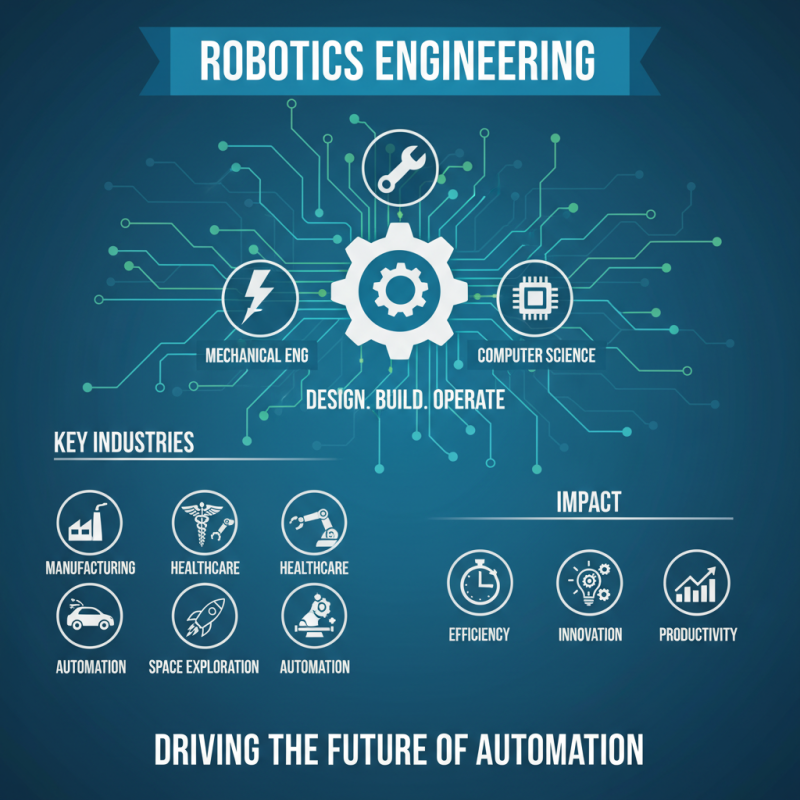
Robotics engineering is a discipline that combines elements of mechanical engineering, electrical engineering, and computer science to design, construct, and operate robots. In today's rapidly evolving technological landscape, the importance of robotics engineering cannot be overstated. It plays a critical role across various industries, including manufacturing, healthcare, and space exploration, driving efficiency and innovation. As companies increasingly turn to automation to improve productivity and reduce human error, robotics engineers are at the forefront of developing intelligent systems that can perform complex tasks traditionally done by humans.
The rise of artificial intelligence and machine learning has further enhanced the significance of robotics engineering. Robots capable of learning and adapting to their environment are revolutionizing how industries operate, leading to safer workplaces and more accurate processes. The integration of advanced robotics into everyday life, such as robotic surgery systems or autonomous vehicles, highlights the necessity for skilled engineers who can create sophisticated designs and ensure their safe operation. As technology continues to advance, the demand for professionals in robotics engineering is expected to grow, making it a pivotal field in shaping the future of innovation and efficiency.
Key Components and Subjects Covered in Robotics Engineering Courses
Robotics engineering courses encompass a broad range of subjects that provide students with the essential skills and knowledge needed to design, build, and maintain robotic systems. Key components typically include mechanical engineering, electrical engineering, and computer science. Students will delve into topics such as kinematics, control systems, mechatronics, and artificial intelligence, which are crucial for developing advanced robotic capabilities. Additionally, hands-on laboratory work and projects are integral parts of the curriculum, allowing students to apply theoretical concepts in practical environments.
Another important aspect of robotics engineering courses is programming. Proficiency in languages such as Python, C++, and MATLAB is essential, as these languages are widely used in robot control and automation. Students will also explore sensors, actuators, and the integration of various hardware components, enhancing their understanding of how physical robots operate. Furthermore, interdisciplinary subjects like ethics in robotics and human-robot interaction are increasingly included, preparing future engineers to address the societal impacts of robotic technology. Overall, a well-rounded robotics program should offer a balanced curriculum that equips students with both technical expertise and critical thinking skills necessary for innovation in this exciting field.
What is Robotics Engineering Courses and How to Choose the Right One - Key Components and Subjects Covered in Robotics Engineering Courses
| Course Component |
Description |
Key Subjects |
| Fundamentals of Robotics |
Introduction to the basic concepts of robotic systems and design principles. |
Kinematics, Dynamics, Control Systems |
| Programming for Robotics |
Learning programming languages and frameworks used in robotic applications. |
Python, C++, ROS |
| Artificial Intelligence in Robotics |
Exploration of AI algorithms and their applications in robotic systems. |
Machine Learning, Neural Networks, Computer Vision |
| Robotic Mechanics |
Study of the physical components and mechanics of robots. |
Mechanics, Material Science, Structural Analysis |
| Sensor Technologies |
Understanding various sensors used in robotics for feedback and control. |
LIDAR, Cameras, IMUs |
| Embedded Systems |
Design and implementation of embedded systems in robotic applications. |
Microcontrollers, Real-Time Systems, Circuit Design |
| Ethics and Robotics |
Discussions on the ethical implications and responsibility in robotics development. |
Ethical Theory, Policy Discussion, Case Studies |
Criteria for Choosing the Right Robotics Engineering Program
When selecting a robotics engineering program, it is essential to consider several key criteria to ensure it aligns with your career aspirations and educational needs. First, assess the curriculum closely. A comprehensive program should cover a wide range of subjects, including artificial intelligence, machine learning, control systems, and mechatronics. According to the Bureau of Labor Statistics, employment in robotics and automation is projected to grow by over 9% from 2020 to 2030, highlighting the necessity for a strong foundation in these areas.
Another vital aspect to consider is the faculty's expertise and research opportunities. Programs led by faculty who are actively engaged in innovative research can provide invaluable insights and hands-on experiences. Look for programs that offer facilities such as robotics labs or collaboration with industry leaders. According to a report by Research and Markets, the global robotics sector was valued at approximately $39.8 billion in 2020 and is expected to reach over $102 billion by 2026, emphasizing the growing importance of practical exposure in education.
**Tip 1:** Explore intern and co-op opportunities before committing to a program, as these experiences can significantly enhance your practical skills and employability.
**Tip 2:** Investigate potential career services offered by the institution. Robust career support can help you navigate job placements and networking in this rapidly evolving field.
Robotics Engineering Courses Overview
Industry Trends: Future Demand for Robotics Engineers and Career Paths
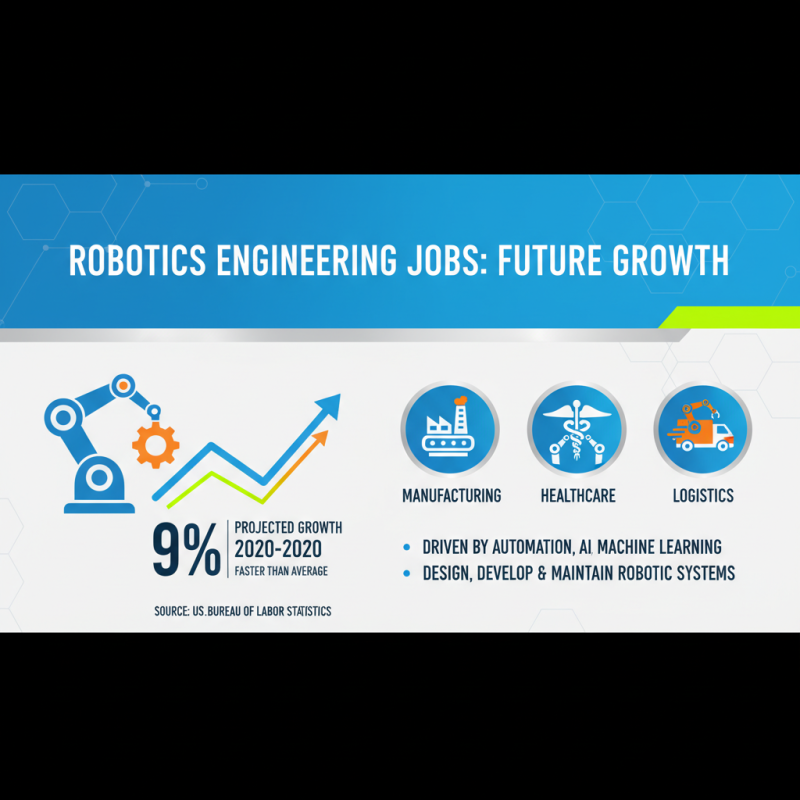
The demand for robotics engineers is projected to see substantial growth in the coming years, driven by advancements in automation, artificial intelligence, and machine learning. According to a recent report by the U.S. Bureau of Labor Statistics, employment of robotics engineers is expected to grow by 9% from 2020 to 2030, which is faster than the average for all occupations. This surge is largely attributed to the increasing integration of robotics in various sectors, including manufacturing, healthcare, and logistics. Companies are increasingly seeking professionals who can design, develop, and maintain robotic systems to improve efficiency and accuracy.
As industries continue to evolve, the career paths for robotics engineers are becoming more diverse. Positions in research and development, systems design, and project management are on the rise, particularly as industries like agriculture and retail adopt innovative robotic solutions. A report from the International Federation of Robotics highlights that applications in service robots are rapidly gaining traction, indicating a shift towards more interactive and user-friendly robotic solutions. Robotics engineers are now not only tasked with developing complex machinery but also creating systems that enhance human-robot interaction, further expanding their role in the tech landscape. This diversity in job opportunities underscores the importance of choosing the right educational path that aligns with these industry trends to ensure a successful career in robotics engineering.
Accreditation and Recognition: Ensuring Quality in Robotics Engineering Education
When selecting a robotics engineering course, understanding
accreditation and recognition is crucial for ensuring that
the program meets quality standards. Accreditation serves as a validation that the educational institution and
its programs fulfill specific criteria set by recognized accrediting organizations. This recognition guarantees
that the course content is relevant and of high quality, which can significantly enhance your learning experience
and career prospects.
One tip for prospective students is to investigate the accrediting bodies associated with the program you are
considering. Look for institutions that are accredited by reputable organizations specific to engineering education,
such as the Accreditation Board for Engineering and Technology (ABET).
This can provide you with confidence in the education you will receive. Additionally, check whether the program has
received any accolades from industry professionals or academic circles, as this can further indicate its quality and
relevance in the field.
Another important consideration is the recognition of the course by industry stakeholders. Engaging with alumni or
current students through forums or social media can provide insights into how well-regarded the program is in the job
market. This feedback is invaluable in determining whether the course will equip you with the necessary skills to
succeed in robotics engineering. Always prioritize programs with strong ties
to industry partners, as they often provide opportunities for internships and real-world projects that enhance your
learning experience.