What is Robotics Engineering Courses and How Can They Benefit You?
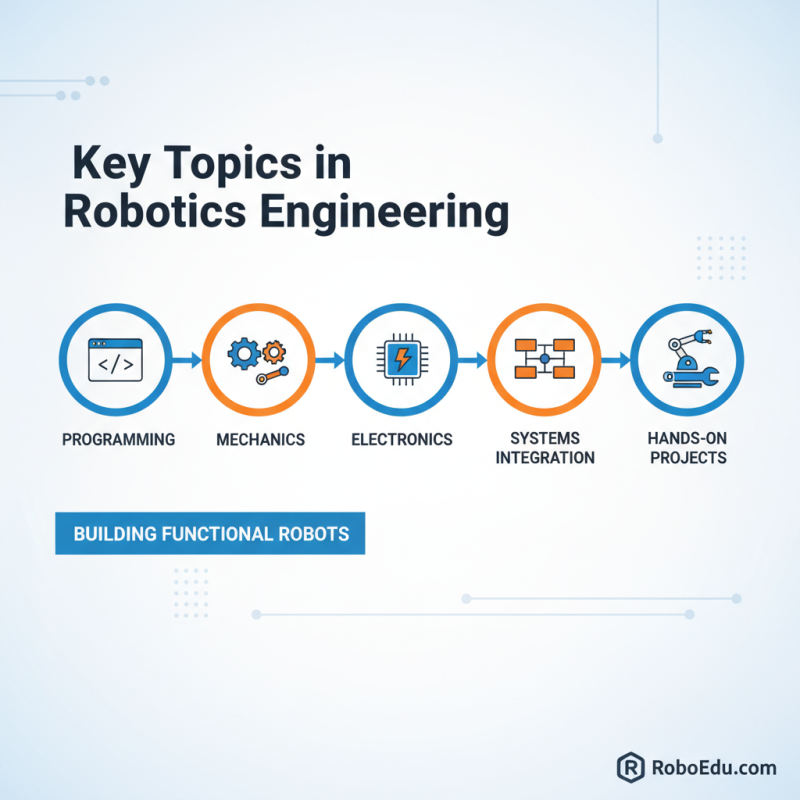
Robotics engineering courses offer a unique pathway for those interested in cutting-edge technology. These courses cover essential topics like automation, artificial intelligence, and machine design. Students gain both theoretical knowledge and practical skills to excel in this dynamic field.
Many educational institutions provide specialized programs. Participants learn to build, program, and operate robots. Hands-on experience is crucial. It bridges the gap between theory and real-world application. Engaging with projects and prototypes helps solidify learning.
The demand for robotics engineers is growing rapidly. Industries such as manufacturing, healthcare, and entertainment seek skilled professionals. However, students may face challenges in tackling complex subjects. It's essential to continually reflect on learning methods and adapt. Robotics engineering courses can be a gateway to exciting career opportunities.
What is Robotics Engineering?
Robotics engineering is an interdisciplinary field that combines elements of mechanical engineering, electrical engineering, and computer science. It focuses on designing, constructing, and operating robots. According to the International Federation of Robotics, the global industrial robot market is projected to reach $70 billion by 2025, highlighting the increasing importance of this field.
Understanding robotics engineering is crucial for several reasons. The demand for skilled professionals in robotics is growing rapidly. A report from the U.S. Bureau of Labor Statistics states that job opportunities in this field are expected to grow by 9% through 2030. Robotics engineers play vital roles in various industries, including manufacturing, healthcare, and agriculture. Their work drives innovation and improves efficiency.
Learning robotics can also be challenging. Students must grasp complex concepts in programming and control systems. It requires a commitment to continual learning. Engaging with projects enhances hands-on experience. However, there are instances where designs fail to work as intended, prompting engineers to rethink their strategies. This trial-and-error process is essential for growth. Being aware of these challenges prepares aspirants for real-world applications.
Enrollment in Robotics Engineering Courses Over Recent Years
Benefits of Studying Robotics Engineering
Robotics engineering is a dynamic field that combines engineering principles with technology to create innovative solutions. Studying robotics engineering can offer numerous benefits, making it a valuable educational pursuit. One significant advantage is the hands-on experience students gain through practical projects. These real-life applications build critical thinking and problem-solving skills, vital in today’s job market.
Many robotics programs emphasize teamwork. Working on group projects enhances collaboration skills. This is crucial since most engineering tasks involve multiple professionals. Students also have the chance to engage with industry experts during internships or workshops. This exposure provides insights into current trends and challenges in robotics.
Tips: Focus on developing a strong foundation in mathematics and physics. These subjects are essential for understanding complex robotic systems. Additionally, don't hesitate to get involved in clubs or competitions. Such experiences can be enriching and may lead to mentorship opportunities. Reflect on your interests within robotics, whether it’s programming, mechanics, or design. This self-awareness will guide your studies effectively.
Career Opportunities in Robotics Engineering
Robotics engineering is rapidly evolving, creating diverse career opportunities. In this dynamic field, professionals design, build, and maintain robots. They work across industries like manufacturing, healthcare, and aerospace. Graduates can find roles as robotic engineers, systems integrators, or research scientists. Each position demands a mix of creativity and technical skill.
Working in robotics can be challenging. Engineers often face time constraints and complex problems. Projects may require collaboration across multiple disciplines. This can lead to stress and the need for continuous learning. Embracing failures and setbacks is vital. It's through these experiences that engineers refine their skills and innovate.
As technology advances, new roles emerge. For example, roboticists are essential in developing automated solutions for everyday tasks. They ensure robots can operate safely alongside humans. Fields like artificial intelligence and machine learning are becoming integral to robotics. This intersection offers exciting prospects but demands adaptability. Those willing to embrace change will thrive and make lasting impacts in this transformative industry.
Future Trends in Robotics Engineering and Technology
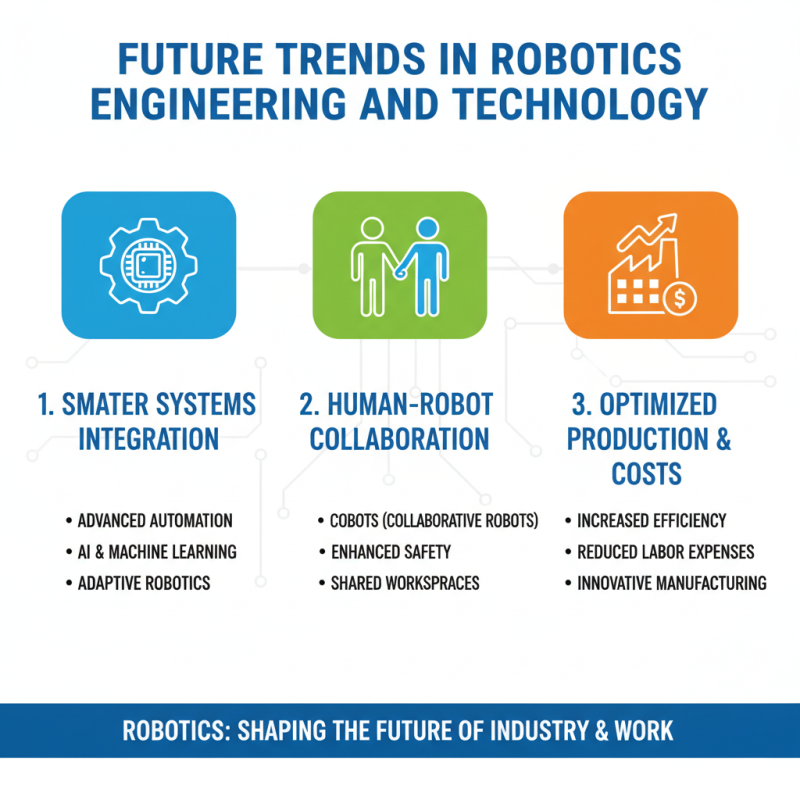
Robotics engineering is evolving rapidly. Automation and AI are pushing boundaries, creating amazing possibilities. Future trends focus on integrating smarter systems and enhancing human-robot collaboration. Imagine factories where robots work alongside humans, improving efficiency and safety. These advancements will not only optimize production but also reduce labor costs.
One notable trend is the rise of soft robotics. This technology allows robots to interact more gently with their environment. Soft robots are ideal for delicate tasks, such as medical procedures or handling fragile items. As they become more versatile, their applications will expand. However, challenges remain in terms of durability and control.
Another significant development is the increased use of drones. Drones are changing how we survey, deliver, and monitor. They enable real-time data collection. Yet, their reliance on GPS raises concerns about privacy and security. The balance between innovation and ethics will be crucial in shaping the future. Robotics engineering holds promise, but it requires thoughtful consideration of its implications.