Why Robotic Automation Solutions Are Essential for Modern Businesses?
In today's fast-paced business environment, robotic automation solutions are crucial for organizational efficiency. According to a report by McKinsey, up to 45% of work activities can be automated. This potential allows companies to focus on strategic initiatives rather than routine tasks. Implementing robotic automation solutions can enhance productivity by reducing time spent on manual processes.
Moreover, Deloitte's insights suggest that organizations adopting these technologies can achieve up to a 30% increase in operational efficiency. As industries embrace digital transformation, the role of robots in business continues to grow. Yet, many companies hesitate due to fears of initial costs and implementation challenges. The reality is that the long-term benefits often outweigh these concerns.
Reflecting on this shift, leaders must recognize that robotic automation is not merely a trend. It is a cornerstone for future success. Companies need to assess their readiness for change. Many organizations underestimate the potential impact of these solutions. Embracing robotic automation solutions can make a significant difference in achieving lasting competitive advantage.
The Evolution of Robotic Automation in Business Operations
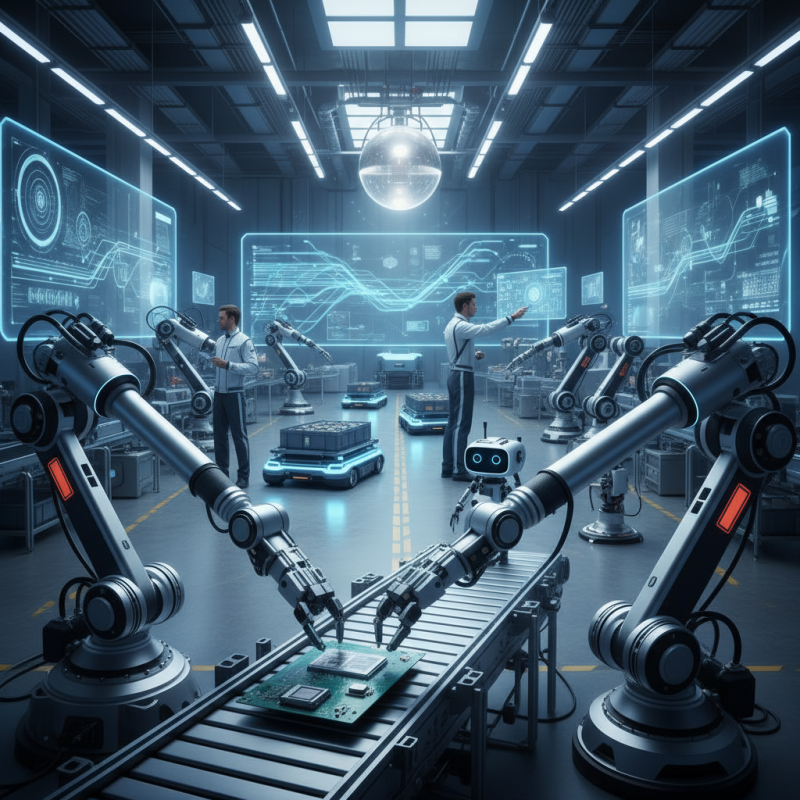
The evolution of robotic automation in business operations has been remarkable. In recent years, companies have adopted automation to streamline their workflows. A report by McKinsey & Company suggests that up to 45% of jobs could be automated by technology. This figure underscores the urgency for businesses to embrace robotic solutions.
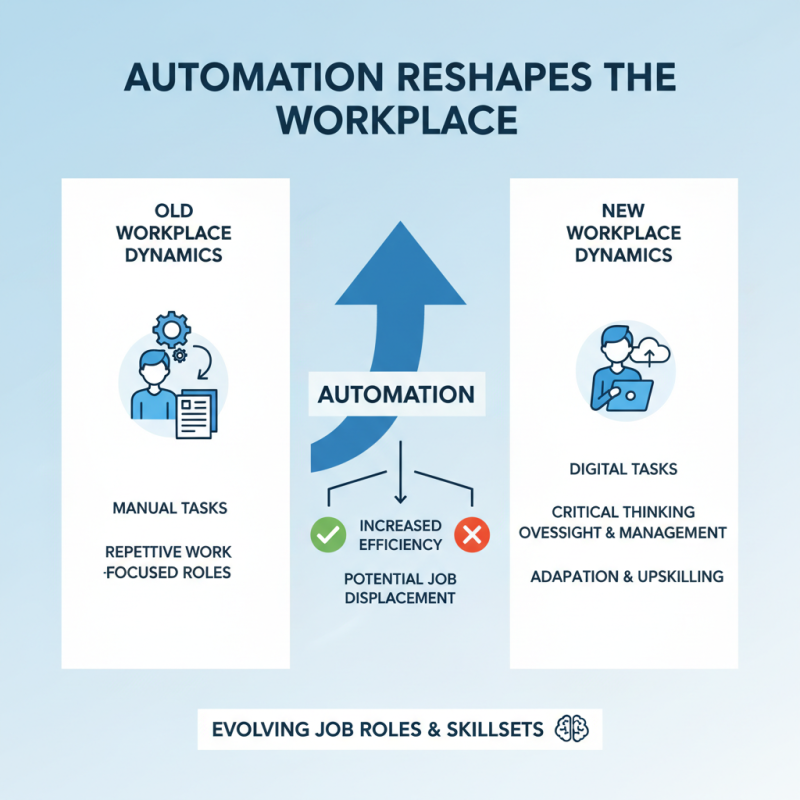
Automation has transformed routine tasks. It reduces human error and increases efficiency. For instance, a study from Deloitte indicates that organizations using automation can improve productivity by 20-30%. However, challenges remain. Many employees fear job displacement. The human element is still vital, and businesses must find a balance.
Experts warn about over-reliance on technology. Automation isn't a one-size-fits-all solution. Companies must continuously assess their strategies. They should consider the specific needs of their workforce. Addressing these concerns leads to smoother transitions. Embracing automation should not come at the expense of human insight. Integration is key.
The Impact of Robotic Automation on Business Efficiency
This chart illustrates the percentage increase in efficiency due to the adoption of robotic automation solutions over the years. As businesses increasingly incorporate automation into their operations, we can observe a significant upward trend in efficiency improvements, highlighting the essential role of robotic automation in modern business practices.
Key Benefits of Implementing Robotic Automation Solutions
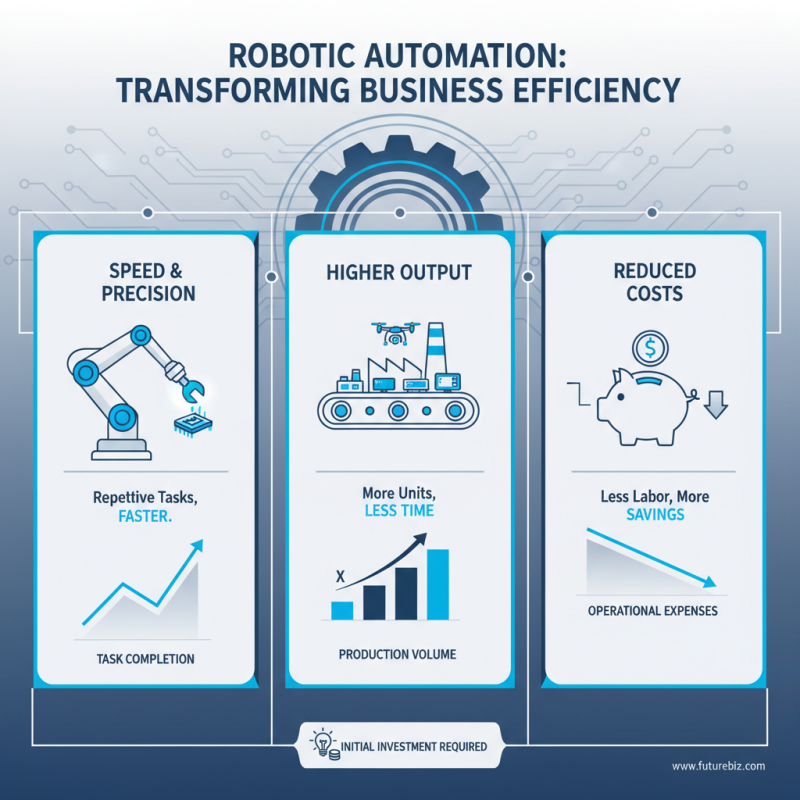
Robotic automation solutions are transforming modern businesses in various ways. Firstly, they enhance efficiency by performing repetitive tasks with speed and precision. For example, robotic arms in manufacturing can assemble components much faster than human workers. This leads to higher output and reduced labor costs. Businesses can save time and resources, but they must consider the initial investment.
Moreover, these solutions minimize human error. In sectors like finance, automated systems can process transactions flawlessly. A small mistake in manual data entry can lead to significant losses. However, automation often lacks the nuance of human judgment. Businesses must ensure their automation systems are well-supervised to avoid issues.
Another advantage is improved scalability. Companies can easily increase their robotic capacity during peak times. Yet, this flexibility may require careful planning. An over-reliance on automation could risk losing the human touch in customer service. Employees might feel threatened by machines, creating tension. Balancing automation with human involvement is crucial for sustainable growth.
Challenges Faced by Businesses Without Automation
In today’s fast-paced business world, companies without automation face significant challenges. Manual processes slow down workflows. Errors occur more frequently. Employees spend time on repetitive tasks instead of focusing on strategic initiatives. This can lead to reduced morale and burnout.
Businesses should consider how automation can streamline operations. For example, automating data entry can free up valuable human resources. This shift allows teams to concentrate on creative problem-solving. It’s essential to identify repetitive tasks suitable for automation. Start small and test the waters.
Reflect on the current tools in use. Are they truly efficient? Manual approval processes can bottleneck productivity. Make improvements where necessary. Embrace change gradually, and involve your team in discussions. Listening to their insights can enhance success.
Why Robotic Automation Solutions Are Essential for Modern Businesses? - Challenges Faced by Businesses Without Automation
| Challenge |
Impact Without Automation |
Potential Automation Solution |
| High Operational Costs |
Increased overhead and reduced profit margins |
Implementing RPA to streamline processes |
| Increased Error Rates |
Loss of customer trust and increased rework |
Using automation to standardize processes |
| Slow Response Times |
Customer dissatisfaction and lost sales opportunities |
Automating customer support and inquiry handling |
| Limited Scalability |
Difficulty in meeting growing demand |
Deploying scalable automated solutions |
| Resource Allocation Issues |
Underutilized staff and resources |
RPA freeing up employees for higher-value tasks |
Future Trends in Robotic Automation for Business Growth
In recent years, robotic automation has gained traction in multiple industries. This trend seems likely to continue as businesses seek efficiency. One major focus is the integration of AI with robotics. The combination can enhance decision-making processes and improve productivity. Many companies report increased output and fewer errors when using automated systems.
However, embracing automation isn't without challenges. Companies sometimes struggle with the implementation phase. Employees may feel threatened by robotic solutions, leading to resistance. Effective training programs are needed to mitigate these fears. It’s essential to engage staff and address their concerns. A transparent approach can foster a more collaborative work environment.
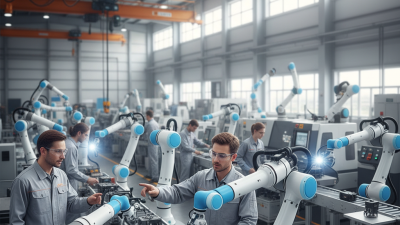
Moreover, as technology evolves, new trends emerge. For instance, the use of collaborative robots—cobots—is on the rise. These machines work alongside humans, making tasks easier. They help in repetitive jobs, freeing up employees for more complex responsibilities. This shift might redefine workforce roles and expectations. Businesses must adapt to these changes or risk falling behind.