What is Robot Technology and How is it Transforming Our Lives Today
In recent years, robot technology has emerged as a transformative force across various sectors, fundamentally altering the way we live, work, and interact. According to a report from the International Federation of Robotics, the global market for industrial robots is projected to reach $12 billion by 2025, indicating a substantial increase in the adoption of these advanced systems. The integration of robots in industries such as manufacturing, healthcare, and logistics has proven to enhance efficiency, reduce operational costs, and improve safety.
Moreover, robot technology is not merely confined to industrial applications; its influence is vividly seen in everyday life through innovations such as autonomous delivery systems and robotic assistants in homes. A recent study by McKinsey & Company highlights that automation technologies, including robotics, could deliver up to $2 trillion in economic value across sectors by 2030. This shift not only signifies a leap towards increased productivity but also presents new challenges in workforce adaptation and ethical considerations surrounding robotics. As we venture further into this new era driven by robot technology, understanding its implications on our daily lives becomes crucial for all stakeholders involved.

What is Robot Technology?
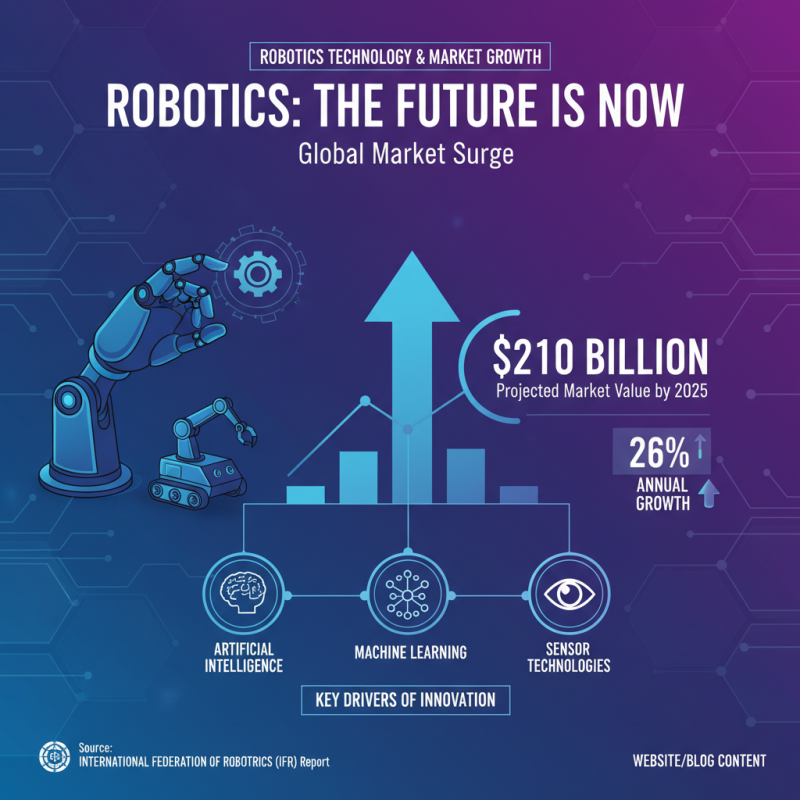
Robot technology encompasses the design, development, and application of robots to perform various tasks, ranging from industrial automation to personal assistance. According to a recent report by the International Federation of Robotics (IFR), the global robotics market is projected to reach $210 billion by 2025, reflecting an annual growth rate of approximately 26%. This surge is driven by advancements in artificial intelligence, machine learning, and sensor technologies, which have dramatically enhanced the capabilities and adaptability of robots in various sectors.
The implementation of robot technology has transformed industries such as manufacturing, where robots are employed for tasks like assembly, welding, and painting, significantly improving efficiency and reducing labor costs. A study from McKinsey & Company indicates that automation could increase productivity by 1.4 to 1.8 times in manufacturing sectors by 2030. Additionally, in the healthcare domain, robots assist in surgeries, patient care, and logistics, contributing to improved outcomes and operational efficiency. The World Economic Forum emphasizes that robots have the potential to augment human labor, leading to new job creation and enhancing the workforce's skill set as society adapts to these technological advancements.
The Evolution of Robotics: A Historical Overview
The evolution of robotics has been a remarkable journey that began long before the dawn of modern technology. Early concepts of automata can be traced back to ancient civilizations, where ingenious inventions like mechanical birds and water clocks showcased the fascination with automation. The 20th century marked a significant turning point with the advent of electronic components, giving rise to more sophisticated robots capable of performing tasks previously unimaginable. The development of programmable machines in manufacturing industries during the mid-1900s set the stage for the robotics revolution, enabling mass production and increasing efficiency.
As we moved into the late 20th and early 21st centuries, advancements in artificial intelligence and machine learning further propelled robotics into everyday life. Robots are no longer confined to factories; they now assist in various sectors including healthcare, agriculture, and even domestic environments. For instance, robotic surgery has transformed medical procedures, allowing for more precise and less invasive interventions. At home, smart robots help with cleaning and maintenance tasks, making life more convenient for individuals and families.
Tips: When exploring the world of robotics, consider how these advancements can enhance your daily routine. From smart home devices to AI-driven healthcare tools, understanding the capabilities of current technology can help you leverage these innovations for a more efficient lifestyle. Additionally, keeping abreast of the latest developments in robotics can inspire new ideas and applications in your own field or interest area.
Applications of Robot Technology in Various Industries
Robot technology is rapidly transforming a variety of industries, enhancing efficiency and streamlining processes. In manufacturing, for example, automated systems are now responsible for over 70% of production tasks, according to a report by the International Federation of Robotics. These robots not only perform repetitive tasks with precision but also significantly reduce error rates and improve overall product quality. The integration of robotics in manufacturing has led to a 30% increase in productivity and a decrease in production costs, making businesses more competitive in the global market.
In the healthcare sector, robot technology is being utilized for surgical procedures, rehabilitation, and elder care. A study published by McKinsey & Company indicates that robotic-assisted surgeries can reduce recovery times by up to 50% compared to traditional methods. With the rise of telepresence robots, healthcare professionals can provide remote consultations and monitoring, which have proven vital during situations like the COVID-19 pandemic. Furthermore, the global market for robotic healthcare solutions is projected to surpass $60 billion by 2025, demonstrating the growing reliance on robotics to improve patient outcomes and meet the demands of an aging population.
Robots are also making significant strides in the logistics and warehousing sectors. According to a report from Mordor Intelligence, the warehousing automation market is expected to grow at a CAGR of 14.1% over the next five years. Automated guided vehicles (AGVs) and robotic picking systems are revolutionizing how goods are sorted and delivered, with companies reporting up to a 50% reduction in labor costs. This technological advancement allows for faster order fulfillment and better inventory management, showcasing how robot technology is becoming integral to modern supply chains.
Applications of Robot Technology in Various Industries
This chart illustrates the adoption rates of robot technology across various industries. Manufacturing leads the way with a 75% adoption rate, followed by healthcare and agriculture. These advancements are significantly transforming operational efficiencies and productivity in these sectors.
How Robotics is Enhancing Daily Life and Work Efficiency
Robotics has increasingly become integral to our daily lives and workplaces, driving efficiency and enhancing productivity in various sectors. According to a report by the World Economic Forum, the adoption of robotics technologies could increase productivity by as much as 30% in industries like manufacturing and logistics. These advancements are evident in automation processes, which streamline tasks and reduce human error, allowing workers to focus on higher-value activities.
One significant area where robotics is making strides is in healthcare. As indicated by a study from Deloitte, robotic surgery systems can lead to reduced recovery times and improved patient outcomes, transforming surgical practices. Moreover, in homes, robots vacuum, mow lawns, and perform routine chores, saving precious time for families and enabling them to engage in more meaningful activities together.
**Tip:** To maximize the benefits of robotics in your daily life, consider integrating smart home devices that work together to automate routine tasks.
Additionally, in business, the use of robotic process automation (RPA) is enhancing efficiency. A McKinsey report suggests that over 60% of jobs could see at least 30% of their tasks automated, freeing employees to concentrate on innovative problem-solving and creative projects.
**Tip:** Companies should invest in training their workforce to work alongside robots, ensuring a smooth transition and better collaboration between humans and machines. This proactive approach will help maximize the advantages of robotic technologies in enhancing work efficiency.
What is Robot Technology and How is it Transforming Our Lives Today
| Application Area |
Current Impact |
Future Potential |
Efficiency Boost (%) |
| Manufacturing |
Increased production speed |
Further reduction of labor costs |
20% |
| Healthcare |
Assistance in surgeries |
Remote patient monitoring |
30% |
| Agriculture |
Precision farming |
Automated crop monitoring |
25% |
| Logistics |
Automated warehouses |
Last-mile delivery solutions |
40% |
| Home Automation |
Robotic vacuum cleaners |
Smart home integration |
15% |
Future Trends: The Next Steps in Robotic Innovations
The future of robotic innovations holds immense promise, as advancements in artificial intelligence, machine learning, and sensor technology converge to enhance robot capabilities. One significant trend is the increasing integration of robots into various sectors such as healthcare, manufacturing, and agriculture. Robots are becoming more adept at performing intricate tasks, from surgical procedures to precision farming. These innovations not only improve efficiency and accuracy but also reduce human error and minimize costs, paving the way for smarter, more responsive systems.
Another key trend is the rise of collaborative robots, or cobots, designed to work alongside humans rather than replace them. As industries recognize the value of human-robot collaboration, the demand for these safe and flexible robots continues to grow. They are being developed to better understand human needs, adapting their functions based on real-time data and feedback. This evolution will lead to greater synergistic relationships between humans and machines, resulting in more innovative solutions to complex challenges while enhancing productivity and safety in the workplace.