Top 10 Reasons to Choose Cobot Robots for Your Business Efficiency
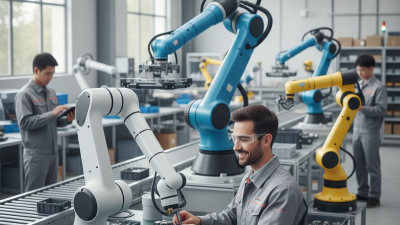
In today's fast-paced business environment, companies are constantly seeking innovative solutions to enhance productivity and streamline operations. One such solution that has garnered significant attention is the implementation of cobot robots. Short for collaborative robots, cobot robots are designed to work alongside human workers, complementing their skills and alleviating mundane tasks. As businesses strive for greater efficiency, adaptability, and cost-effectiveness, the integration of cobot robots presents an opportunity to transform traditional workflows.
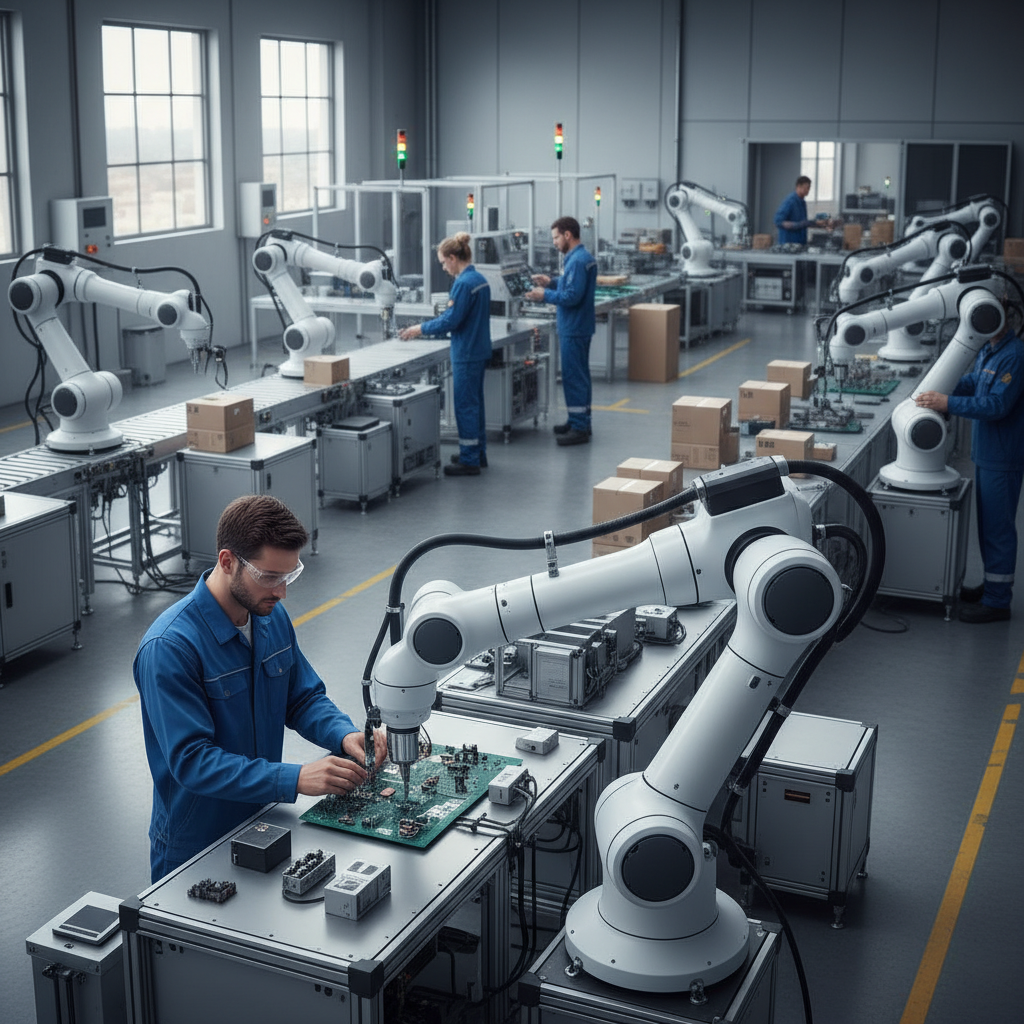
The advantages of adopting cobot robots in various industries are manifold. From reducing operational costs to increasing output and precision, these versatile machines are becoming essential assets in modern workplaces. By facilitating better collaboration between humans and machines, cobot robots not only boost efficiency but also enhance workplace safety, allowing employees to focus on more complex and creative tasks. As we explore the top ten reasons to choose cobot robots for your business, it becomes evident that they represent not just a trend, but a vital step towards achieving long-term operational excellence and competitive advantage in an ever-evolving market.
Benefits of Collaborative Robots in Streamlining Operations
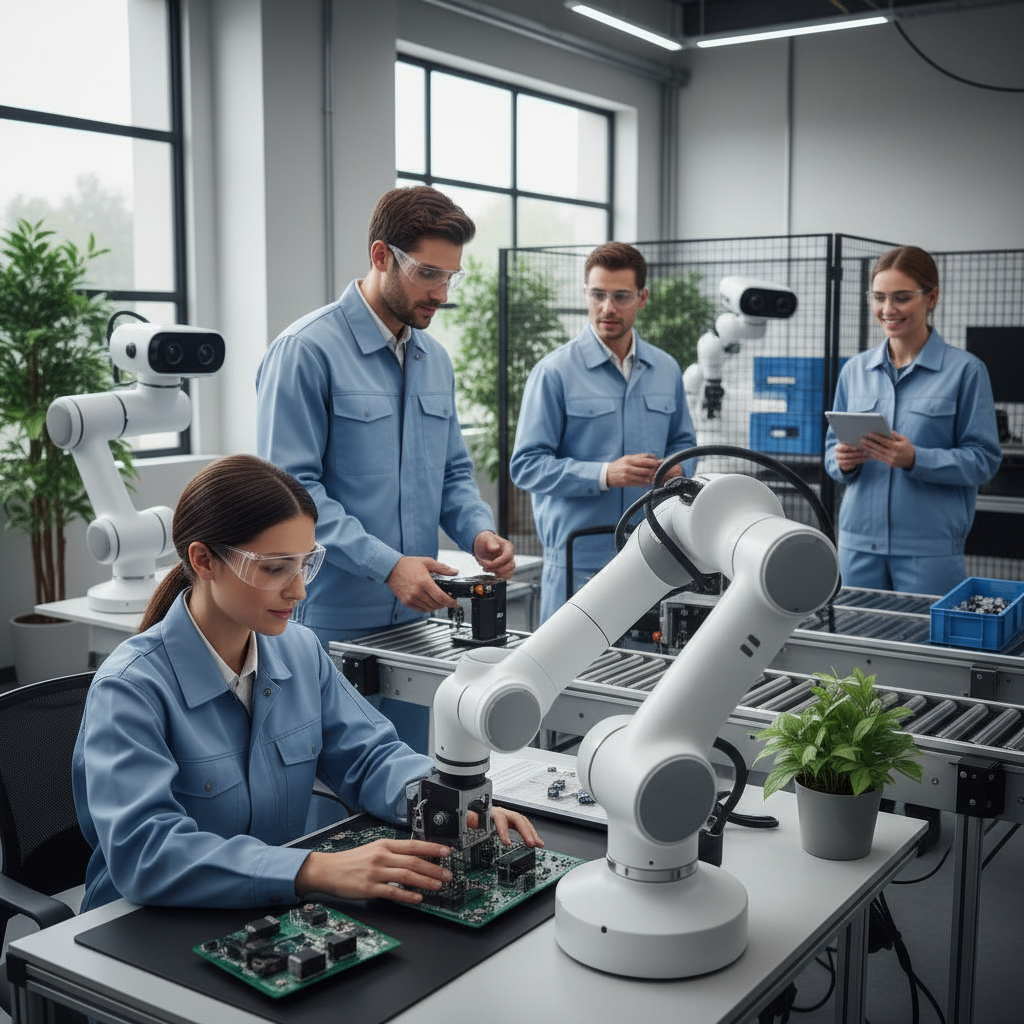
The advent of collaborative robots, or cobots, is transforming operations across various industries by enhancing efficiency and agility. These innovative machines are designed to work alongside humans, combining their strengths to streamline workflows. As supply chains evolve, the integration of cobots facilitates a smoother interface between automated processes and human tasks, ultimately leading to increased productivity. By supporting workers in repetitive or physically demanding jobs, cobots allow staff to focus on more complex activities, driving innovation and improving job satisfaction.
In today’s fast-paced marketplace, businesses face numerous challenges, including rising consumer demands and tighter delivery schedules. Collaborative robots provide a solution by adapting to different tasks and environments, making them suitable for small to mid-sized manufacturers that may struggle with workforce and budget constraints. This adaptability is crucial as companies look to scale their operations while maintaining high efficiency levels. With the backing of artificial intelligence and advanced automation, cobots not only enhance operational capabilities but also contribute to a more resilient supply chain, proving to be an invaluable asset to modern businesses.
Top 10 Reasons to Choose Cobot Robots for Your Business Efficiency
| Reason |
Description |
Benefit |
| Increased Efficiency |
Cobot robots can work alongside humans to enhance productivity. |
Higher output and faster production times. |
| Cost-Effective |
Lower upfront and operational costs compared to traditional robots. |
Better ROI and affordability for small businesses. |
| Safety |
Designed with safety features to operate without fencing. |
Reduces accidents and improves workplace safety. |
| Flexibility |
Easily programmable for various tasks and can adapt to changes. |
Efficient handling of diverse operations. |
| Easy Integration |
Can be integrated into existing workflows with minimal disruption. |
Seamless transition to automation. |
| Employee Satisfaction |
Reduces repetitive tasks, allowing staff to focus on higher-value work. |
Increased morale and job satisfaction. |
| Quality Improvement |
Consistent precision in operations, reducing errors. |
Improved product quality and reduced waste. |
| Scalability |
Easily scaled up or down according to business needs. |
Adaptability to market demands. |
| Data Collection |
Can collect and analyze data to optimize operations. |
Informed decision-making based on real-time data. |
| Customizable Applications |
Can be tailored for specific tasks within various industries. |
Maximized efficiency across different processes. |
Enhancing Workforce Productivity with Cobot Integration
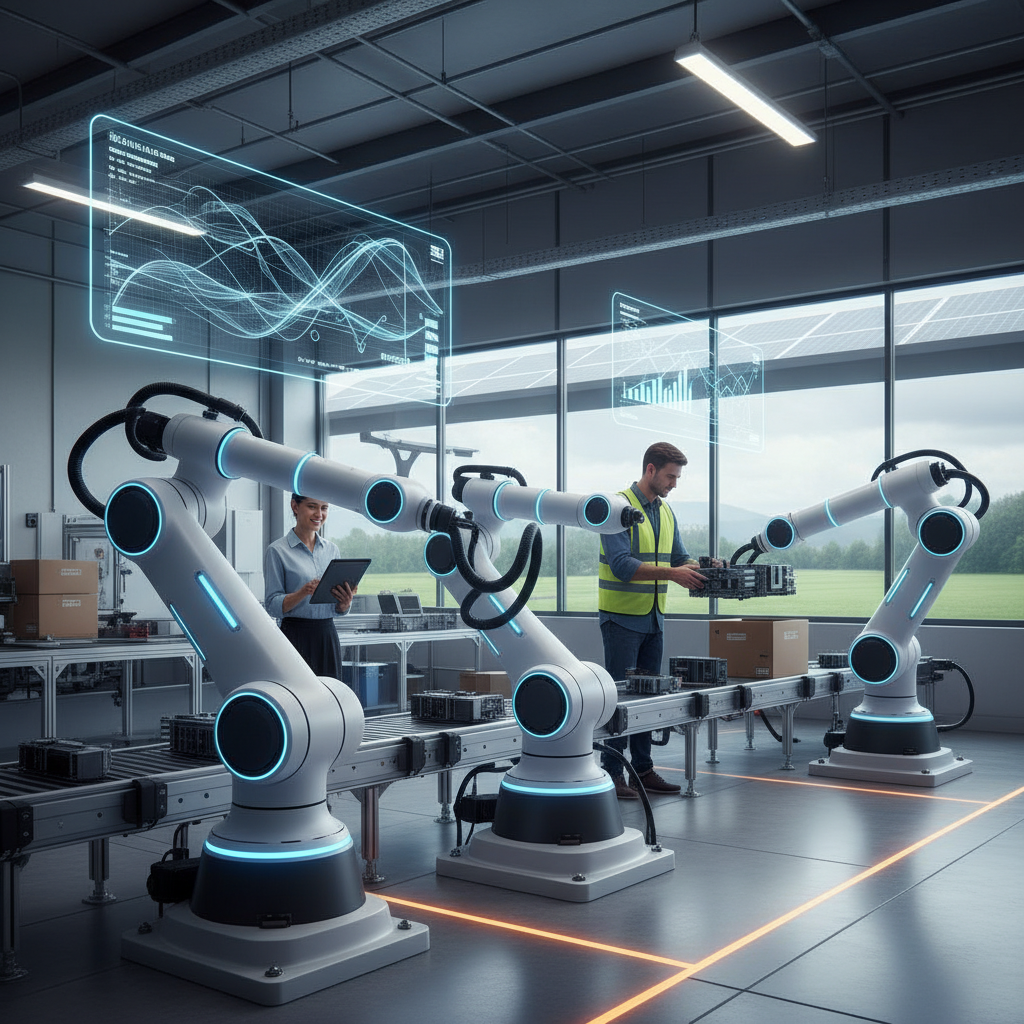
Collaborative robots, often referred to as cobots, are significantly reshaping workforce productivity by enhancing operational efficiency across various industries. These robots are designed to work alongside human employees, seamlessly integrating into existing workflows. This collaboration allows for improved task allocation, where cobots handle repetitive or physically demanding tasks, freeing up human workers to focus on more complex and value-added activities. The adaptability of cobots enables businesses to respond quickly to changing demands, ensuring that productivity remains high even in dynamic production environments.
Moreover, the rise of cobots is closely linked to the evolving trends in warehouse management and flexible manufacturing. As companies continue to automate their processes, cobots provide a solution to labor shortages and skills gaps, allowing organizations to maintain output levels without the need for extensive retraining or hiring. With advanced AI integration, cobots can learn and adapt to new tasks over time, further enhancing workplace efficiency.
This technology represents not only an investment in machinery but a commitment to leveraging human-robot collaboration for the future of industrial work, leading to a more agile and productive workforce.
Cost-Effectiveness of Cobots in Small and Medium Enterprises
Cobots, or collaborative robots, are rapidly becoming essential for small and medium enterprises (SMEs) seeking to enhance operational efficiency without significant capital investment. According to a report by MarketsandMarkets, the cobot market is projected to grow from $710 million in 2020 to $3.2 billion by 2025, highlighting the increasing demand for cost-effective automation solutions. SMEs can leverage these robots to automate repetitive tasks, reduce labor costs, and ultimately improve their bottom line.
One of the key advantages of cobots lies in their affordability and return on investment. A study by ABI Research reveals that businesses utilizing cobots can achieve a payback period of as little as 12 months, compared to traditional industrial robots, which can take several years to justify their costs. Additionally, the flexibility of cobots allows SMEs to easily scale their operations as they grow, further enhancing their financial viability. Integrating these robots into various processes—from assembly lines to packaging—optimizes productivity while allowing human workers to focus on higher-value tasks, significantly streamlining business operations.
Top 10 Reasons to Choose Cobot Robots for Your Business Efficiency
The following chart illustrates the cost-effectiveness of cobot robots in small and medium enterprises (SMEs) based on research data.
Safety and Flexibility: Key Advantages of Using Cobots
Cobots, or collaborative robots, have surged in popularity due to their unique ability to enhance safety and flexibility in various business environments. One of the main advantages of cobots is their design, which allows them to work alongside human workers without the need for complex safety barriers. This inherent safety position not only reduces the risk of workplace accidents but also enables employees to collaborate closely with machines, fostering an inclusive and efficient working atmosphere.
Companies can deploy cobots in areas where traditional robots would pose a safety risk, thus opening up new avenues for automation without compromising on workforce protection.
Additionally, the flexibility of cobots is unparalleled. They can be easily programmed and adapted to perform a range of tasks, from assembly to packing, and can be quickly reconfigured for different projects. This adaptability allows businesses to respond swiftly to market demands and changing production requirements, which traditional automation often cannot accommodate.
By integrating cobot technology, organizations can streamline operations, reduce downtime, and enhance productivity while maintaining high safety standards, ultimately leading to improved overall efficiency.
Future-Proofing Your Business with Advanced Cobot Technology
As businesses navigate the complexities of an ever-evolving marketplace, adopting advanced technologies becomes crucial for sustainability and growth. Cobot robots, designed to work alongside human operators, offer unparalleled advantages in future-proofing your business. Their ability to seamlessly integrate into existing workflows not only enhances operational efficiency but also mitigates the risks associated with rapid technological advancements. By investing in cobot technology, companies position themselves to adapt swiftly to changing market demands, ensuring they remain competitive.
Moreover, cobots excel in versatility, making them suitable for a wide range of applications from assembly to packing and quality inspection. This adaptability allows businesses to scale operations dynamically without the need for significant retooling or workforce retraining. Additionally, cobots are continually evolving, supported by ongoing advancements in artificial intelligence and machine learning. This means that as new technologies emerge, businesses utilizing cobots can easily upgrade their systems, resulting in a long-term investment that keeps pace with future demands. Choosing cobot robots thus not only enhances immediate productivity but also secures a strong foundation for sustained success in a technological landscape.