How to Optimize Aeration Process in Wastewater Treatment?
The Aeration Process In Wastewater Treatment is crucial for effective pollutant removal and nutrient regulation. According to a report by the Environmental Protection Agency (EPA), aeration accounts for up to 60% of the energy consumption in wastewater facilities. This highlights the importance of optimizing the aeration process to enhance efficiency and reduce operational costs.
However, many wastewater treatment plants face challenges in achieving optimal aeration. Issues such as inadequate oxygen transfer rates and improper aerator management can lead to subpar treatment outcomes. A recent study found that only 40% of plants consistently maintain optimal aeration levels, which results in increased treatment times and higher energy expenses. Therefore, it is vital to evaluate current aeration strategies and identify areas for improvement.
Investing in advanced aeration technologies, such as fine bubble diffusers and control systems, can significantly boost performance. Yet, the transition to these solutions is often hampered by budget constraints and outdated infrastructure. Continuous monitoring and adjustments in aeration practices are necessary to address these shortcomings. In a rapidly evolving industry, stakeholders must prioritize innovation and research to refine the aeration process in wastewater treatment.
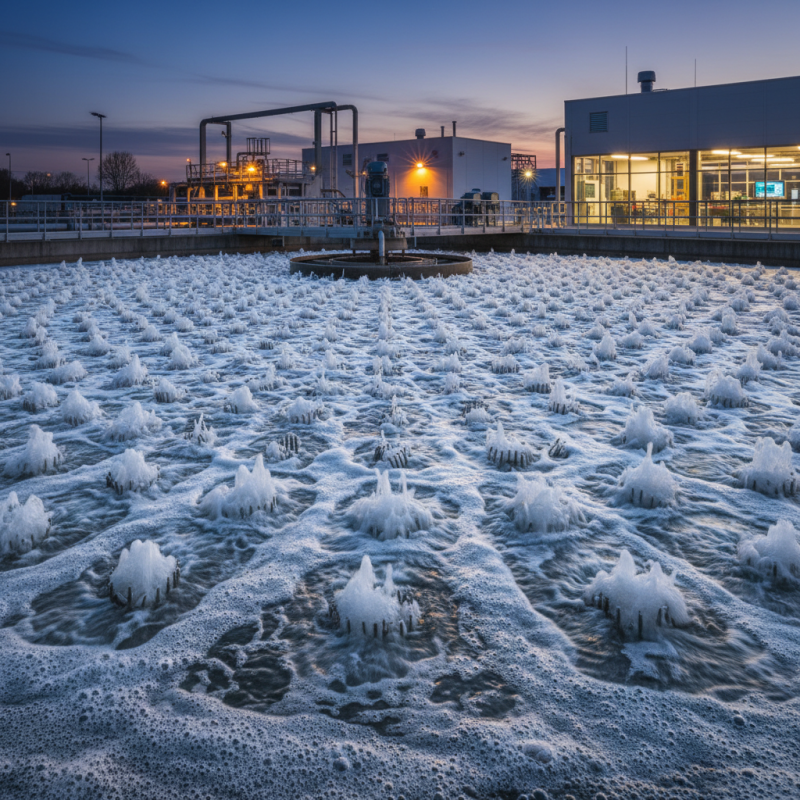
Understanding the Importance of Aeration in Wastewater Treatment
Aeration is a critical component in the wastewater treatment process. It enhances the biological activity necessary to break down organic pollutants. Research indicates that effective aeration can improve the removal of biochemical oxygen demand (BOD) by up to 80%. Efficient aeration helps maintain optimal conditions for microbial growth, which aids in treating wastewater effectively.
Inadequate aeration can lead to suboptimal treatment. This results in higher concentrations of pollutants leaving treatment plants, potentially harming aquatic ecosystems. A study from the Environmental Protection Agency (EPA) found that poor aeration practices can increase the risk of odor issues and create a toxic environment for aquatic life. Operators must regularly assess aeration systems to ensure they meet the biological needs.
Balancing oxygen levels is essential but challenging. Too much aeration can lead to energy wastage and increased operational costs, while too little can hinder treatment efficiency. According to industry reports, over 30% of wastewater treatment facilities face issues related to aeration inefficiencies. Continuous monitoring and adjustment of aeration rates are necessary to optimize these systems for reliable performance.
How to Optimize Aeration Process in Wastewater Treatment? - Understanding the Importance of Aeration in Wastewater Treatment
| Parameter | Importance | Optimization Techniques | Impact on Efficiency |
| Dissolved Oxygen (DO) Levels | Critical for microbial activity and breakdown of waste | Regular monitoring and adjustment of aeration rates | Higher DO levels can enhance treatment efficiency |
| Aeration Rate | Determines the amount of oxygen supplied to bacteria | Adjusting blower capacity and aerator design | Optimized rates result in cost savings and improved treatment |
| Mixing Efficiency | Ensures even distribution of oxygen and nutrients | Implementing proper aerator placement | Better mixing supports greater biological activity |
| Filling Ratio | Influences the contact time between air and wastewater | Optimizing tank volumes and flow rates | Improved filling ratios lead to better oxygen transfer |
| Temperature Control | Affects oxygen solubility and microbial metabolism | Monitoring and regulating temperature in treatment tanks | Stable temperatures can enhance overall treatment performance |
Key Factors Affecting Aeration Efficiency in Treatment Plants
Aeration plays a pivotal role in wastewater treatment. Its efficiency significantly impacts the overall performance of treatment plants. Key factors influencing aeration efficiency include dissolved oxygen levels, mixing intensity, and temperature. Proper management of these factors can enhance treatment processes.
For optimum dissolved oxygen levels, regularly measure and adjust. Low oxygen decreases microbial activity. Excess can cause waste and inefficiency. Consider the specific needs of your system.
Mixing intensity is also crucial. It ensures that oxygen reaches bacteria effectively. Insufficient mixing can lead to anaerobic zones, which hinder treatment. Use adequate aerators and ensure they’re evenly distributed.
Temperature affects oxygen solubility. Cooler water can hold more oxygen but may slow microbial metabolism. Monitor temperature variations and adjust operations accordingly.
Tips: Evaluate your aeration system regularly. Document results and identify patterns. This data is valuable for making adjustments. Engage your team in continuous learning. Share insights and strategies to solve common aeration issues. Collaboration drives improvement.
Methods for Optimizing Aeration Processes: Technologies and Techniques
Aeration is crucial in the wastewater treatment process. It enhances the dissolution of oxygen, promoting the degradation of organic matter by microorganisms. The application of fine bubble aeration technology has proven effective, increasing the oxygen transfer efficiency significantly. According to a recent industry report, fine bubble aeration can achieve up to 70% oxygen transfer efficiency, compared to just 30% with conventional methods.
Another method to optimize aeration is through process control techniques. Implementing real-time monitoring systems allows for dynamic adjustments. By analyzing parameters such as dissolved oxygen levels and nutrient concentrations, treatment facilities can save energy by up to 30%. These savings not only lower operational costs but also reduce the carbon footprint. However, it requires a commitment to continuous improvement and staff training.
While these technologies show promise, challenges exist. Maintenance can be complex and costly. In certain instances, equipment failures lead to unanticipated downtime. Facilities must think critically about their aeration strategies, balancing costs with efficiency. Investing in training and research helps teams address these challenges effectively, driving progress in wastewater treatment.
Monitoring and Control Systems to Enhance Aeration Performance
Effective monitoring and control systems are essential for optimizing the aeration process in wastewater treatment. These systems gather real-time data on various parameters, such as dissolved oxygen levels and airflow rates. By analyzing this data, operators can make informed adjustments to the aeration process. Continuous monitoring helps in maintaining optimal conditions for aerobic microorganisms, which play a crucial role in wastewater degradation.
Automation in these systems can enhance response times significantly. For instance, automated valves can adjust airflow based on immediate needs. This dynamic adjustment minimizes energy consumption and prevents over-aeration, which can lead to operational inefficiencies. However, relying solely on automation can present challenges. It may sometimes miss irregularities that a human operator might catch. Regular calibrations and checks are necessary to ensure accuracy.
Moreover, the integration of advanced technologies, such as machine learning, can predict trends in aeration performance. These predictive systems can analyze historical data and forecast future needs. Yet, there remains a gap in the understanding of how to interpret these analytics effectively. Training staff to utilize these insights is often overlooked. Striking a balance between technology and human expertise is crucial for achieving optimal aeration performance.
Best Practices for Maintenance of Aeration Equipment and Systems
Maintaining aeration equipment in wastewater treatment is crucial for optimal performance. Regular inspections help identify wear and tear. Check for leaks, blockages, and corrosion to prevent unplanned downtime. Ensure the pump and blower are working efficiently. It's essential to listen for unusual noises, which may indicate a problem. Consistent monitoring can save money in the long run.
Cleaning aeration tanks is another important aspect of maintenance. Biofouling can reduce efficiency significantly. Use scrapers or pressure washing to remove buildup. While this task may seem straightforward, neglecting it can result in costly repairs. Keep a maintenance schedule that includes deep cleaning every few months.
Operators should receive proper training on aeration systems. Knowledge of optimal settings can optimize the aeration process. Lack of understanding can lead to mistakes in operation, impacting water quality. Invest in continuous education for staff to enhance performance and reliability. Fear of changing processes can hinder progress, so foster a culture of improvement.