How to Improve Robotic Systems in 2026 for Industry and Innovation?
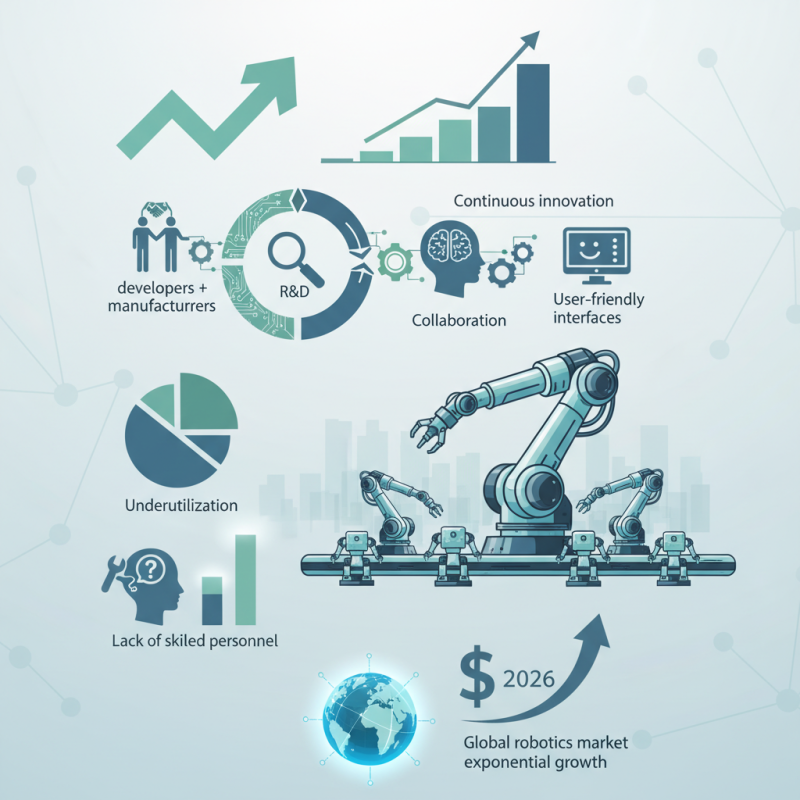
As we move toward 2026, the landscape of robotic systems is transforming rapidly. The global robotics market is expected to grow at a compound annual growth rate (CAGR) of 26.6%, reaching $500 billion by 2026. This exponential growth brings both opportunities and challenges for industries relying on automation. Companies must adapt to optimize productivity while addressing issues like workforce integration and technology dependency.
Many organizations struggle to implement advanced robotic systems effectively. A study showed that over 30% of businesses face hurdles in scaling their automation solutions. These obstacles can lead to underutilization of robotic potential. Moreover, a lack of skilled personnel to manage these systems hampers progress. With rapid advancements, it is vital to rethink our strategies for integrating robotics into our workflow.
To enhance robotic systems, businesses need to prioritize continuous innovation. Collaboration between technology developers and manufacturers is crucial. Creating environments that foster research and development will spur the evolution of these systems. A focus on user-friendly interfaces will also help mitigate resistance from employees. It is a critical time for reflection and action for organizations aiming to thrive in this robotic future.
Emerging Technologies in Robotics for 2026: A Comprehensive Overview
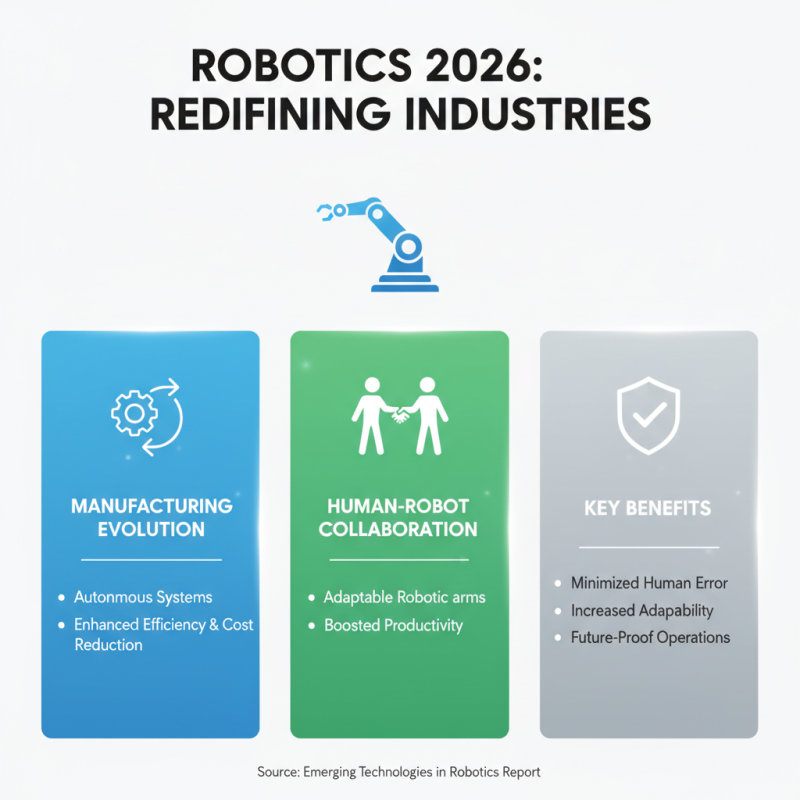
Emerging technologies in robotics are set to redefine industries by 2026. Autonomous systems are becoming increasingly common in manufacturing. They enhance efficiency, reduce costs, and minimize human error. For instance, robotic arms are now more adaptable, allowing them to work alongside human teams. This collaboration can boost productivity significantly.
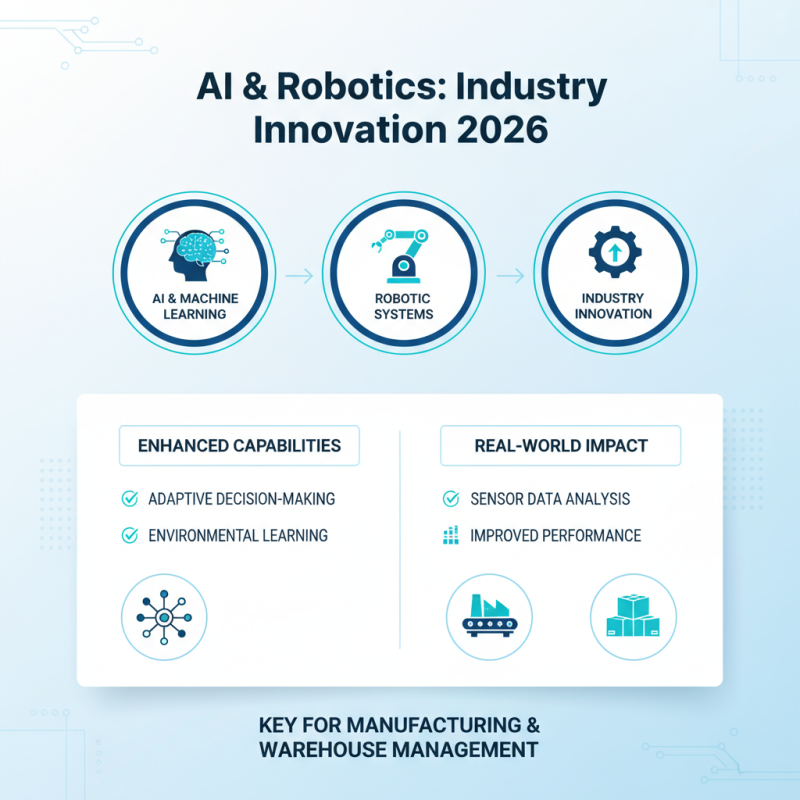
Artificial intelligence plays a vital role in these advancements. Smart algorithms empower robots to learn from their environment. This capability enables them to perform complex tasks with greater precision. Yet, reliance on AI raises concerns about decision-making processes. How do we ensure ethical considerations integrate into these systems?
Another area of interest is soft robotics. These flexible robots can handle delicate items without causing damage. They show promise in fields such as healthcare and food services. However, challenges persist. Issues related to durability and control require ongoing research. Ensuring reliability in various environments is crucial for wider adoption.
Developing Collaborative Robots: The Future of Human-Robot Interaction
In 2026, the advancement of collaborative robots is set to reshape industries. These robots will work alongside humans, enhancing efficiency and productivity. According to a recent industry report, the collaborative robotics market is expected to grow by over 15% annually. This growth reflects the increasing demand for robots that can safely and effectively interact with human workers.
Tips: Invest time in training your workforce to collaborate with robots. Understanding their capabilities fosters trust and efficiency.
Human-robot interaction is evolving. Robots must communicate effectively with their human counterparts. Researchers emphasize the importance of intuitive design. A user-friendly interface can simplify tasks. However, challenges remain. Miscommunication can lead to errors. Continuous learning will help mitigate these issues.
Tips: Regularly assess the interaction protocols between robots and humans. Adjust them based on performance data for better outcomes.
Innovation occurs when machines and humans collaborate seamlessly. The future lies in creating systems that adapt to workforce needs. Making adjustments is essential as technology progresses. It is vital to recognize areas where robots may struggle. Constant feedback loops will enhance both robot functionality and human experience.
Future Trends in Collaborative Robots (Co-bots) in 2026
Sustainability in Robotics: Innovations for Eco-Friendly Manufacturing
The future of robotics in manufacturing is promising, especially regarding sustainability. The global push for eco-friendly practices drives innovation in robotic systems. According to the International Federation of Robotics, the industry is projected to grow by 14% annually through 2026. This growth will likely incorporate green technologies to reduce environmental impact.
Innovative solutions are emerging. For instance, energy-efficient robots can reduce energy consumption by up to 30%. These robots utilize advanced materials and designs that lower their carbon footprint. Incorporating renewable energy sources, such as solar power, into robotic systems is also becoming more viable. The transition to sustainable practices is essential for the industry to thrive.
Tips:
1. Assess current energy usage in robotic systems. Identify areas for improvement.
2. Implement smart monitoring technologies to track emissions. Data can shape sustainable practices.
3. Collaborate with engineers to design eco-friendly robots from the ground up. Fresh perspectives can lead to novel solutions.
Despite these advancements, challenges remain. Many companies struggle to adopt new technologies. Budget constraints often hinder innovation. Continual assessments of sustainability goals are vital for progress. Balancing efficiency and eco-friendliness is a complex task. The industry must remain committed to refining these practices continuously.
Regulatory and Ethical Considerations for Robotics in Industry by 2026
The development of robotic systems in industry is rapidly advancing. By 2026, ethical and regulatory considerations will take center stage. Studies indicate that around 73% of industry leaders express concerns about the integration of AI in robotics. These concerns often center around accountability and bias. Companies must address these issues through clear guidelines.
Many organizations struggle to implement effective regulations. The challenge is to ensure that robotic systems are safe and fair. For example, a report by the World Economic Forum highlights that 61% of workers fear job displacement due to automation. This fear can stifle innovation. Yet, it also presents an opportunity. Companies can invest in reskilling programs to help workers adapt.
Privacy is another pressing issue. Robotics often collects vast amounts of data. By 2026, we expect that 80% of industries will be using data-driven robots. However, safeguarding personal information remains a challenge. The lack of a solid framework can lead to misuse. Balancing innovation with ethics is essential. Industry stakeholders need to work together to establish responsible practices.
How to Improve Robotic Systems in 2026 for Industry and Innovation? - Regulatory and Ethical Considerations for Robotics in Industry by 2026
| Dimension |
Description |
Expected Outcome by 2026 |
| Autonomy Level |
Increased capability for robots to perform tasks independently without human intervention. |
90% of routine tasks automated in manufacturing. |
| Regulatory Framework |
Implementation of global standards for robotic operations and safety. |
Standardized safety protocols across industries. |
| Ethical Guidelines |
Development of ethical guidelines governing AI decision-making in robotics. |
Clear guidelines reducing bias in robotic decision-making. |
| Data Security |
Enhancing protection measures for data collected by robotic systems. |
Robust security measures reducing data breaches by 80%. |
| Human-Robot Interaction |
Improvement in user interfaces for better interaction between humans and robots. |
Enhanced collaboration efficiency, with reduced training time for workers. |