How to Implement Robotics Automation in Your Supply Chain?
In today's fast-paced logistics landscape, implementing robotics automation has become crucial for enhancing efficiency and reducing costs. According to Dr. Emily Chen, a leading expert in supply chain robotics, "Robotics automation can transform operations by minimizing errors and expediting processes." Her insights highlight the transformative power of these technologies.
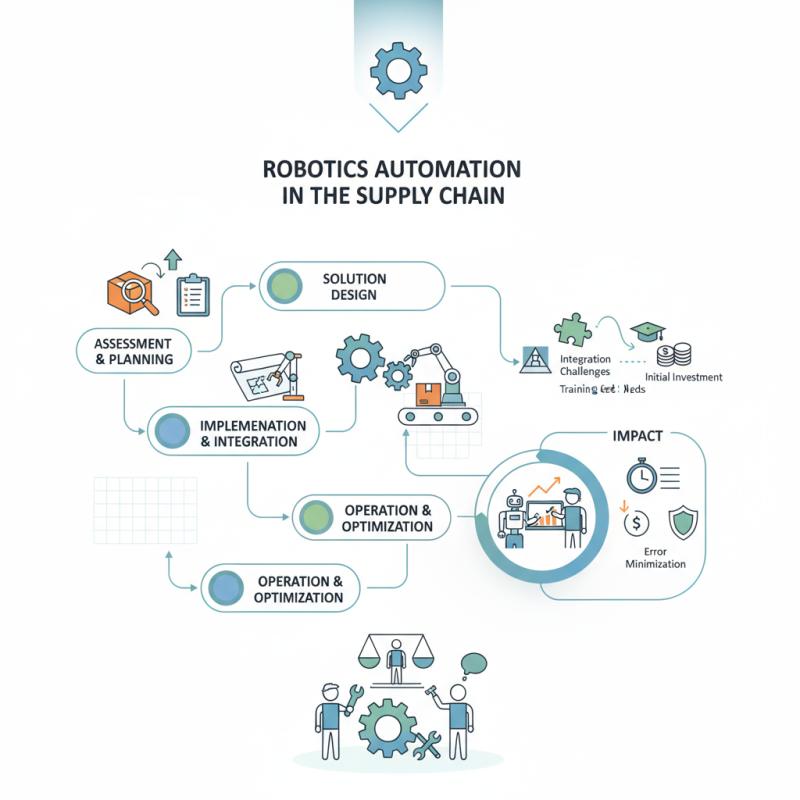
As businesses strive to stay competitive, the use of robotics automation offers innovative solutions for diverse challenges. However, the journey to seamless automation is not without its hurdles. Organizations often grapple with integration issues, training needs, and the initial investment required. A thoughtful approach is essential to leverage robotics effectively.
Moreover, it's important to remember that automation does not eliminate the human element. While robotics can streamline tasks, skilled workers are still necessary for oversight and decision-making. Balancing these factors is vital to successfully harnessing the potential of robotics automation in the supply chain.
Understanding Robotics Automation and Its Role in Supply Chains
Robotics automation is transforming supply chains across various industries. This technology streamlines processes by introducing machines that handle repetitive tasks. Companies can reduce labor costs and minimize human error through automation. It's essential to consider how these systems fit into existing operations. An analysis of workflow is key in identifying areas where robotics can provide benefits.
Implementing robotics automation involves challenges. Staff may resist changes due to fear of job loss. Training is necessary to ensure employees understand how to work alongside robots. Additionally, integration with current systems can pose difficulties. It requires careful planning to achieve a smooth transition. Organizations must also be prepared for maintenance and potential downtime.
The role of robotics in supply chains extends beyond efficiency. Data collection and analysis improve decision-making processes. Automated systems can adapt to market demands quickly. However, reliance on technology brings uncertainties. Cybersecurity threats are real, and companies must stay vigilant. Balancing automation benefits with inherent risks is vital for sustained success.
Identifying Key Areas for Robotics Integration in Your Supply Chain
In today's fast-paced environment, integrating robotics into your supply chain is crucial for efficiency. Start by identifying key areas where automation can enhance productivity. Warehousing, order fulfillment, and inventory management are prime candidates. These functions often involve repetitive tasks, making them ideal for robotic assistance.
Tips: Begin with a comprehensive assessment of your current operations. Look for bottlenecks or areas where human error is frequent. Engaging your team in this analysis can provide valuable insights.
Autonomous vehicles can streamline transportation within the warehouse. They can move goods from one location to another quickly. Additionally, robotic arms can handle packaging tasks with precision, reducing time and errors. Yet, be aware that not all tasks are suitable for automation. Some operations may require human oversight, especially in quality control.
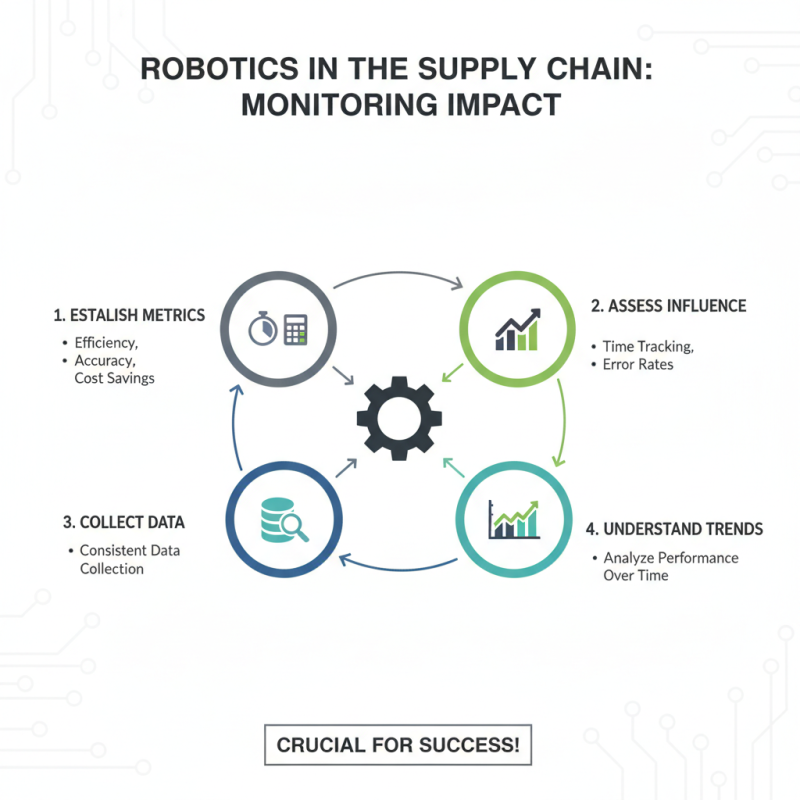
Tips: Prioritize training for your staff. They need to understand how to interact with the new technology. Ensure they feel comfortable and valued in this evolving workplace. Continuously monitoring the integration process is key to success. Adapt and refine your approach based on performance metrics and employee feedback.
Choosing the Right Robotics Technology for Your Operations
Choosing the right robotics technology for your operations is crucial for successful implementation.
Consider the specific needs of your supply chain. Assess the tasks that require automation. This is essential for optimizing efficiency.
Evaluate different robotics solutions available in the market. Some systems excel in packing, while others are better suited for picking and sorting.
The choice depends on your operational goals. Analyze factors like scalability and flexibility.
These will affect how well the technology integrates with your current processes.
It’s also important to involve your team in the decision-making process. Their insights can help identify potential challenges.
They may foresee issues that management might overlook. Remember, the right technology should not only automate tasks but also enhance overall productivity.
Balancing technology and human input is key. An ideal setup fosters collaboration rather than replacement.
Developing a Strategic Implementation Plan for Robotics Automation
Implementing robotics automation in your supply chain can seem daunting. However, a strategic plan can ease the transition. Begin by assessing your current processes. Identify repetitive tasks that robotics can handle efficiently. Focus on areas where human error is common. Prioritize functions that will benefit the most from automation.
**Tips:** Conduct a thorough analysis before committing. This prevents wasteful spending on technology that doesn't fit. Engage with your team to gather insights on where automation can help. They know the pain points well.
Once you've pinpointed processes, design a phased implementation plan. Start small with pilot projects. Test the performance of robotic systems in controlled environments. Monitor outcomes closely to make necessary adjustments. This gradual approach reduces risks associated with larger investments.
**Tips:** Capture data during pilot phases. This will aid in evaluating ROI and refining strategies. Be prepared for setbacks, as not all initial implementations will go smoothly. Recognizing flaws early can lead to better long-term performance.
How to Implement Robotics Automation in Your Supply Chain? - Developing a Strategic Implementation Plan for Robotics Automation
| Phase |
Description |
Key Activities |
Expected Outcomes |
| Assessment |
Analyze current supply chain processes and identify opportunities for automation. |
Conduct process mapping, stakeholder interviews, and data analysis. |
Clear understanding of automated potential and pain points. |
| Planning |
Develop a comprehensive strategic plan for implementation. |
Set goals, define KPIs, and create a roadmap for execution. |
Aligned team objectives and a solid action plan. |
| Technology Selection |
Identify and evaluate robotic technologies suitable for the supply chain. |
Research vendors, conduct demonstrations, and gather feedback. |
Selection of optimal robotics solutions based on needs. |
| Implementation |
Deploy robotics systems within the designated areas of the supply chain. |
Install hardware, configure software, and integrate with existing systems. |
Operational robots functioning with increased efficiency. |
| Monitoring & Optimization |
Continuously track performance of robotic systems and make adjustments as needed. |
Utilize analytics and performance metrics for iterative improvements. |
Maximized returns on automation investment and improved supply chain agility. |