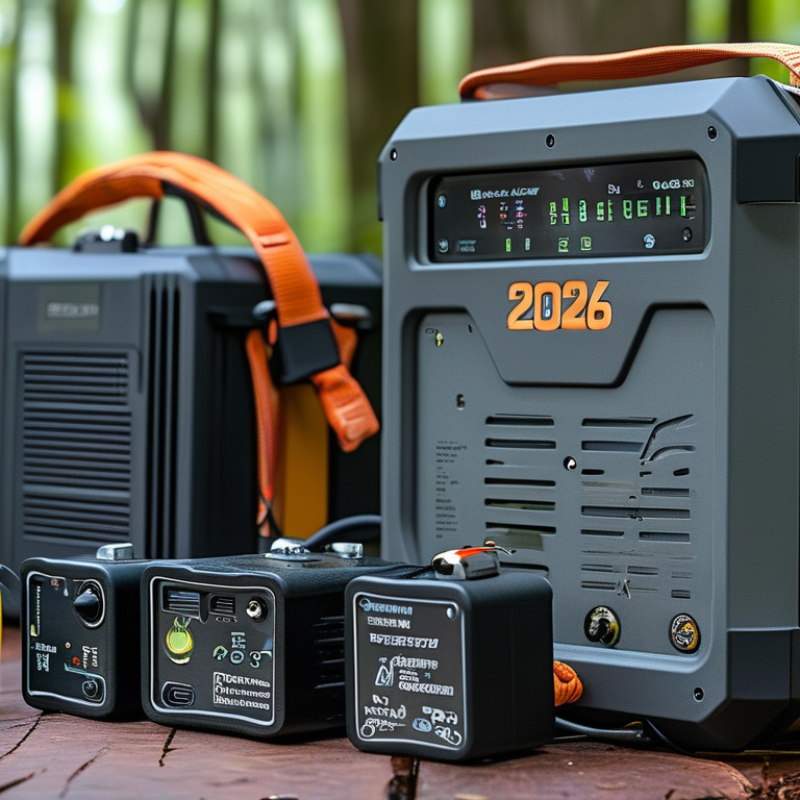
2026 How to Choose the Best Portable Power Stations?
In today's world, Portable Power Stations have become essential for various activities. They provide reliable energy for camping trips, outdoor events, and emergency situations. Many models are on the market, which can make choosing the right one daunting.
Understanding your specific needs is crucial. Some users prioritize power output, while others seek portability or battery life. It’s vital to ask: will it power all your devices? The best Portable Power Stations combine efficiency and comfort. They must cater to both casual users and serious adventurers.
While looking for features, be aware of potential limitations. Some power stations may lack sufficient output for larger devices. Reliability is essential too. Read reviews and seek expert opinions before making a decision. A well-informed choice ensures that you get the most value and utility from your investment.
What is a Portable Power Station and Its Common Uses?
A portable power station is an essential tool for outdoor enthusiasts and emergency preparedness. It provides electrical energy through rechargeable batteries. These stations can serve several purposes, from charging smartphones to powering small appliances. People often use them during camping trips or power outages. Their versatility makes them popular among various users.
In addition to recreational activities, portable power stations help during natural disasters. They can keep medical devices running when the grid fails. The importance of reliability cannot be overstated. Users need to know they can depend on their power station in critical moments. However, not all models are created equal, and some may fall short of expectations. It's good to read reviews and understand user experiences.
Awareness of capacity and output is crucial when selecting a model. A station with a high wattage may look appealing but could be unnecessary for specific needs. Sometimes, users choose a unit with more features than they will actually use. This can lead to disappointment and wasted investment. Balancing needs with budget is a common challenge in making the right choice.
Portable Power Stations: Common Uses and Capacity Comparison
Key Features to Consider When Selecting a Portable Power Station
When selecting a portable power station, several key features should be on your radar. Battery capacity is crucial. It is often measured in watt-hours (Wh). A higher capacity means longer runtime for devices. According to industry reports, many users prefer a capacity that can sustain their power needs for at least 24 hours during camping or emergency situations.
Another essential feature is the output options. Look for power stations with multiple types of outputs. USB ports, AC outlets, and DC carports cater to different devices. A versatile power station can charge smartphones, laptops, and even small appliances. Studies reveal that power stations with at least three output types are favored by 70% of campers and outdoor enthusiasts.
Weight and portability matter too. A power station that is too heavy loses its usefulness. Ideally, it should weigh under 30 pounds for easy transport. When considering the size, think about how often you'll be moving it. A lighter model offers the flexibility needed for outdoor adventures.
Evaluate inverter capacity. This affects the wattage of devices you can use simultaneously. Generally, look for an inverter rated above 500 watts to ensure broad compatibility. Upgrading to higher inverter wattages ensures you don’t face unexpected limitations when powering equipment.
Consider user reviews and expert ratings when making a choice. Often, they reveal real-life experiences that can highlight both strengths and potential drawbacks. Prioritize stations that exhibit dependable performance across various conditions.
Comparing Battery Types: Lithium-ion vs. Lead-acid and Others
When choosing portable power stations, understanding battery types is crucial. Lithium-ion batteries dominate the market due to their efficiency and longevity. They are lighter and often provide more power in a smaller package. However, they can be pricey. In contrast, lead-acid batteries are heavier and bulkier but are generally more affordable. They work well for specific uses, especially where weight is not a concern.
Lifespan is another consideration. Lithium-ion batteries usually last longer, often exceeding 2000 charge cycles. Lead-acid batteries may only reach around 500 cycles. While lead-acid technology is mature, it lacks the innovation seen in lithium-ion solutions. Each battery type has specific pros and cons that require thought before purchase.
Maximize your choice by assessing your usage. If you need frequent mobility, go lithium-ion. For stationary setups, lead-acid may suffice. Consider environmental factors too; lithium-ion can withstand temperature fluctuations better than lead-acid. Balance your budget against your requirements for best results. Each decision influences your power reliability and efficiency.
Understanding Power Output Options: Watts, Amps, and Surge Capacity
When selecting a portable power station, understanding the power output options is crucial. Key terms include watts, amps, and surge capacity. Watts measure the total power a unit can deliver. This value is essential for knowing whether your devices will receive enough energy. A higher wattage means you can power more devices simultaneously.
Amps, on the other hand, indicate the strength of the electrical current. This specification is vital for devices that require a consistent power supply, such as a refrigerator. Devices with high startup currents may need a higher surge capacity. This term refers to the extra power needed to start some appliances. Without adequate surge capacity, your devices may not perform as expected.
Consider your needs. Calculate the total wattage of the devices you plan to use. Keep in mind that not all power stations can handle certain appliances. If your device needs 800 watts, choose a station with a slightly higher output. A 1,000-watt capacity could be a safe bet.
Evaluate your usage patterns. Are you using one device at a time or multiple simultaneously? This distinction guides your choice. Look for a unit that fits your specific situations. Don’t rush into a purchase. Research different specifications and reviews to ensure reliability in various settings.
Evaluating Brand Reliability and Customer Reviews for Your Choice
When selecting a portable power station, brand reliability is crucial. According to a 2023 survey from industry experts, over 65% of consumers prioritize established brands with proven track records. Reviews can greatly influence your decision. A positive rating can provide confidence, while negative feedback may raise concerns. For instance, a leading review platform noted that power stations with an average score below 4 stars often have issues related to battery performance and durability.
Customer testimonials offer real-world insights. A report from 2022 highlighted that 75% of satisfied users mentioned excellent customer service as a key factor in their purchase decision. Look for reviews that discuss long-term reliability, as some power stations may perform well initially but fail later. Be mindful that not every review reflects true experience; some might be incentivized or skewed.
Explore multiple sources when evaluating products. Engage with user forums and social media platforms. These channels often reveal unfiltered feedback about performance and customer service. Be prepared to sift through varying opinions to form a balanced perspective.
Consider the warranty and support options as well. Brands offering extensive warranties show confidence in their products. This can serve as an indicator of quality. Research shows that companies backing their products with good warranties tend to attract more loyal customers.
2026 How to Choose the Best Portable Power Stations? - Evaluating Brand Reliability and Customer Reviews for Your Choice
| Model | Battery Capacity (Wh) | Output Ports | Weight (lbs) | Customer Rating (out of 5) | Price ($) |
| Model A | 500 | 2 USB, 1 AC, 1 DC | 10 | 4.7 | 249 |
| Model B | 300 | 1 USB, 2 AC | 8 | 4.5 | 199 |
| Model C | 1000 | 3 USB, 2 AC | 13 | 4.9 | 499 |
| Model D | 700 | 4 USB, 1 AC | 11 | 4.6 | 349 |
| Model E | 1500 | 5 USB, 3 AC | 15 | 4.8 | 699 |