What is a Flat Top Tower Crane and How Does it Work?
The Flat-Top Tower Crane is a remarkable tool in modern construction. Its unique design sets it apart from traditional cranes. With a flat top and an impressive height, it offers both stability and flexibility on job sites. The crane's ability to lift heavy materials efficiently makes it essential for large projects.
Understanding how a Flat-Top Tower Crane works entails grasping its key components. It consists of a tower, a horizontal jib, and a lifting mechanism. The crane's simplicity in design allows for more seamless operations. However, even skilled operators must be aware of potential challenges. Wind conditions, for instance, can significantly impact performance and safety.
While the Flat-Top Tower Crane is advantageous, it still requires careful planning and execution. Operators must assess site conditions regularly. Experience plays a vital role in preventing accidents. Ultimately, it's a blend of expertise and continuous evaluation that ensures efficient use of this powerful machinery.
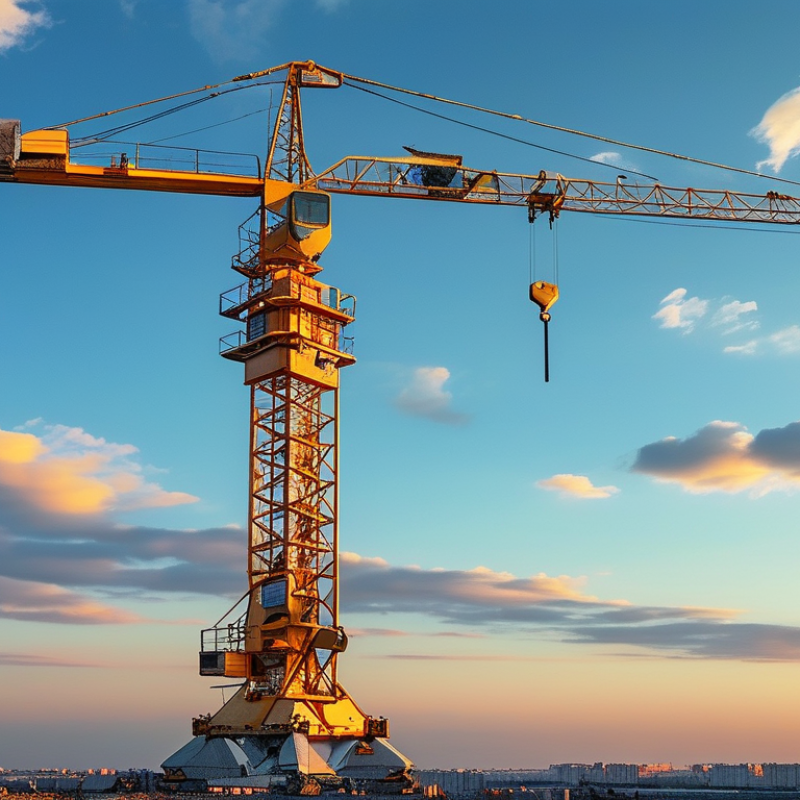
What is a Flat Top Tower Crane?
A Flat Top Tower Crane is an essential piece of equipment in modern construction. It features a horizontal flat top with no mast above. This design makes it particularly suited for building taller structures. The crane operates by moving loads with a trolley along its horizontal arm. The lack of a tall mast is advantageous. It allows operators to work in confined spaces more effectively.
One significant aspect is its climbable design. As buildings grow taller, the crane can be raised along with the structure. This adaptability is vital for large-scale projects. The crane can handle heavy loads, often exceeding several tons. Operators appreciate the ease of control, but it requires training and expertise. Improper handling can lead to significant risks. There’s always the chance of accidents if safety measures are overlooked.
While Flat Top Tower Cranes offer numerous benefits, they are not without challenges. Setting them up can be complex and needs careful planning. Weather conditions also play a role. High winds can disrupt their operations, leading to delays. Even experienced operators must stay alert to these factors. Ultimately, understanding these details is crucial for the successful use of Flat Top Tower Cranes in construction.
Key Components of a Flat Top Tower Crane
Flat top tower cranes are essential in modern construction. Understanding their key components helps reveal their effective operation. These cranes avoid obstructions with their flat-top design. This capability makes them popular in urban settings where space is limited.
One of the primary components is the mast. The mast provides stability and height, crucial for lifting heavy materials. Data from industry reports indicate that a well-constructed mast can enhance lifting capacity significantly. The counterweights are another critical element. They balance the crane and prevent tipping. Without adequate counterweights, safety becomes compromised, raising concerns.
The tower's slewing mechanism also plays a vital role. It enables the crane to rotate, offering an extensive working radius. Studies show that an efficient slewing system increases operational efficiency by 30%. However, improper maintenance can lead to failures, resulting in downtime. This highlights the importance of regular inspections and maintenance protocols. Understanding these components leads to safer and more efficient construction practices.
What is a Flat Top Tower Crane and How Does it Work? - Key Components of a Flat Top Tower Crane
| Component | Description | Function |
| Mast | Vertical structure that provides stability and height. | Supports the crane's components and allows for height adjustments. |
| Slewing Unit | Rotating mechanism at the top of the mast. | Enables the crane to rotate 360 degrees for operational flexibility. |
| Jib | Horizontal arm extending from the mast. | Holds the load and helps to reach different locations on the site. |
| Counterweight | Weight added to balance the crane. | Provides stability to prevent tipping while lifting loads. |
| Hoist Mechanism | Includes rope, drum, and motor used for lifting. | Lifts and lowers loads with precision and control. |
| Operator's Cabin | Control area for the crane operator. | Allows the operator to manage all crane operations safely. |
How Flat Top Tower Cranes Operate
Flat top tower cranes are prominent in the construction industry. Their design facilitates a unique method of operation. Unlike traditional tower cranes, they lack a conventional mast. This absence allows operators to maneuver the crane more efficiently in urban settings. The flat top design improves aerodynamics and reduces wind resistance.
Understanding how flat top tower cranes operate is crucial for safety and efficiency. The jib, or horizontal arm, extends outward, allowing the lifting of heavy materials. A powerful motor raises and lowers the hook. Data from industry reports suggests these cranes can lift loads exceeding 18 tons. The operator controls the crane from a cabin at the top, providing a clear line of sight.
However, this setup does have drawbacks. The height of the crane can limit mobility. Weather conditions impact performance, especially during high winds. Moreover, assembling and disassembling these cranes requires careful planning and execution. Safety must remain the priority. Even with extensive training, errors can occur. A well-executed operation can lead to significant efficiencies on job sites, though it's essential to remain vigilant.
Advantages of Using Flat Top Tower Cranes
Flat top tower cranes are vital in construction due to their effectiveness and design. They excel in urban environments, where space is limited. Their unique flat-top design allows for easy transportation and assembly, making them a popular choice for builders. These cranes can handle heavy loads while providing excellent visibility for operators.
Using flat top tower cranes has several advantages. They are less obstructive than traditional cranes. This feature improves safety on the job site. The flat top design enables them to work alongside other machines without hindrance. Moreover, these cranes can operate at high heights, making them ideal for tall buildings.
Tip: Always assess your site conditions before selecting a crane model. This evaluation can prevent operational challenges.
Another advantage is their ability to rotate 360 degrees without losing any lifting power. This rotation allows for efficient material placement. Crane operators can optimize workflow with fewer moves, saving time and resources.
Tip: Focus on training crane operators thoroughly. Skilled operators enhance safety and efficiency on-site.
While flat top cranes have numerous benefits, they require careful planning. Poor planning can lead to safety issues and delays. The success of a project hinges on the crane's effective use, requiring attention to detail in execution.
Applications of Flat Top Tower Cranes in Construction
Flat top tower cranes have become crucial in modern construction due to their impressive capabilities. Their design allows for greater lifting height and increased stability. These cranes are favored for large structures, such as skyscrapers and bridges. According to a 2022 industry report, nearly 30% of construction projects now utilize flat top cranes. This figure highlights their significance in this sector.
The primary application of flat top tower cranes is in urban construction. They can efficiently lift heavy materials and facilitate tasks at great heights. In densely populated areas, their ability to operate without a tail swing is invaluable. Additionally, these cranes support diverse tasks, from erecting steel frames to placing precast concrete. A notable report noted that flat top cranes increased productivity by up to 25% in some projects.
While flat top cranes offer many benefits, challenges remain. The size and weight of these cranes make transportation complex. Setup can require significant time and labor, which needs careful planning. Addressing logistical issues is vital for maximizing their potential on-site. As the construction industry evolves, understanding the strengths and weaknesses of flat top cranes will remain essential.