Essential Tips for Maintaining Rotating Machines Efficiently?
In the realm of industrial operations, Rotating Machines play a pivotal role. These machines, including motors, pumps, and turbines, contribute significantly to efficiency and productivity. According to the International Electrotechnical Commission, improper maintenance can lead to a 30% loss in productivity. Yet, many facilities overlook basic maintenance practices, ultimately affecting their bottom line.
Effective management of rotating machines is crucial for minimizing downtime. The U.S. Department of Energy reports that an average industrial facility could save over $30,000 annually by implementing predictive maintenance. While many companies invest in technology, it’s essential to focus on proper practices. Regular inspections and timely repairs are often neglected, resulting in greater challenges down the road.
Additionally, understanding the failure modes of these machines is vital. The Machinery Failure Prevention Technology program indicates that 70% of failures result from a lack of lubrication or improper alignment. Many operators are unaware of these simple yet impactful factors. This underscores the need for continuous training and awareness in maintenance practices. By addressing these aspects, businesses can boost reliability and extend the lifespan of their rotating machines.
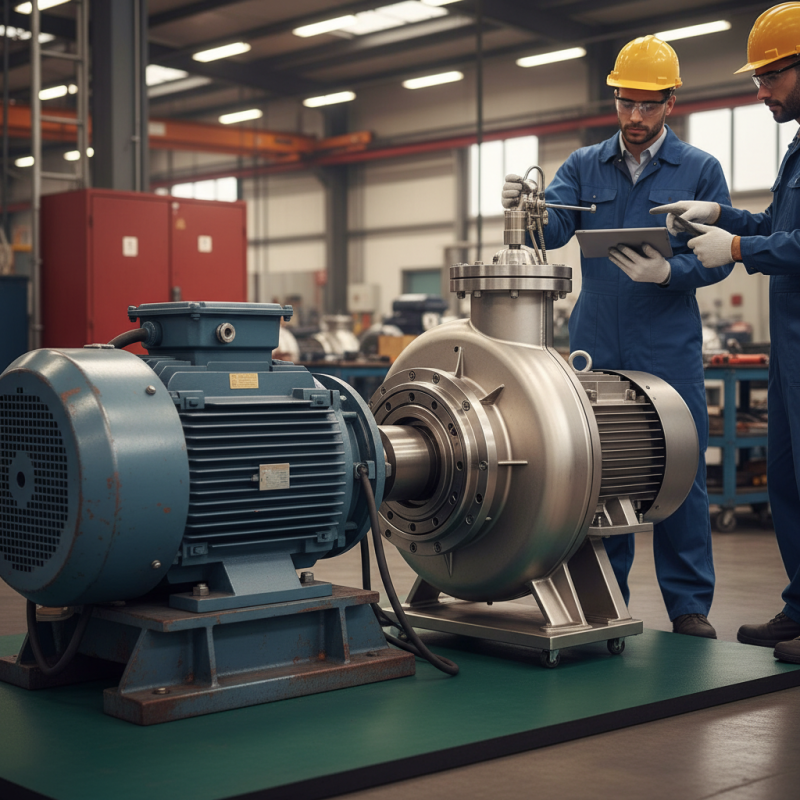
Essential Techniques for Regular Inspections of Rotating Machines
Regular inspections of rotating machines are crucial for their longevity. Start by checking for unusual noises. A grinding sound could indicate friction issues. Vibration analysis is also essential. High vibration levels can signify misalignment. This should not be overlooked.
Next, inspect bearings and lubrication points. Lubrication reduces wear and tear but can be a double-edged sword. Too much grease can lead to overheating. Keep an eye out for leaks; they can cause significant downtime.
Pay attention to temperature readings. An overheated machine may show signs of stress. Document any changes; this practice can reveal patterns. Sometimes, we might miss critical issues during inspections. Take the time to reflect on your findings. Learning from each inspection can lead to better maintenance strategies.
Best Practices for Lubrication in Rotating Equipment Maintenance
Lubrication is a fundamental aspect of maintaining rotating machines efficiently. The right lubricant reduces friction and wear, extending the lifespan of the equipment. According to a report by the International Council on Machinery Lubrication, improper lubrication accounts for 40% of machine failures. This statistic underscores the importance of following best practices in lubrication.
Selecting the correct lubricant is crucial. Not all oils are created equal; each machine may require a specific type and viscosity. The American National Standards Institute recommends reviewing lubricant specifications against operational conditions. Regularly monitoring lubricant quality is vital. Contaminants can compromise the integrity of lubricants. Frequent checks for dirt, moisture, and oxidation can help prevent malfunctions.
Timing for lubrication is another key factor. Many operators overlook the schedule, leading to inadequate or excessive lubrication. Both situations can be harmful. Research shows that under-lubricated bearings fail much faster than those appropriately serviced. Proper application techniques are essential; excessive application can lead to oil leaks and wasted resources. Operating under the assumption that "more is better" can be detrimental. Regular audits on lubrication practices can reveal hidden inefficiencies.
Understanding Vibration Analysis for Predictive Maintenance
Vibration analysis is crucial for the maintenance of rotating machines. By monitoring vibration patterns, you can detect issues before they escalate. Regular checks may reveal imbalances, misalignments, or wear. Machines often show signs before failing completely. This allows for timely interventions.
A glance at vibration frequency can tell you a lot. High frequencies might indicate looseness. Lower frequencies could signify fundamental misalignment. Understanding these signals is essential but often overlooked. Many operators don’t analyze data regularly. This oversight can lead to unexpected downtime or costly repairs.
It’s essential to make vibration analysis a habit. Integrating it into your maintenance routine can catch problems early. However, relying solely on numbers is a mistake. Interpretations can vary. Regular training for staff helps in understanding these nuances better. Ultimately, this approach leads to more efficient machine operations.
Harnessing Thermal Imaging for Rotating Machinery Health Checks
Thermal imaging has revolutionized the way we check the health of rotating machinery. This technology helps identify issues that are invisible to the naked eye. For instance, abnormal heat patterns can reveal potential wear, misalignment, or lubrication failures. Using thermal cameras regularly can prevent costly downtime. However, proper training is essential for accurate reading.
It's important to remember that thermal imaging is not a one-size-fits-all solution. Misinterpretation of temperature data can lead to incorrect maintenance actions. Routine checks should be paired with other diagnostic methods. Relying solely on thermal imaging might cause oversight of underlying issues. A comprehensive approach that combines various techniques often yields the best results.
Field conditions can also impact the effectiveness of thermal imaging. Dust, humidity, and temperature variations may affect readings. Regular calibration of your thermal equipment is vital for accuracy. It's a continuous learning process. As you adapt and refine your methods, you'll find better ways to maintain the efficiency of your machinery.
Implementing Condition Monitoring Systems in Rotating Machinery
Condition monitoring systems are vital for maintaining rotating machinery efficiently. These systems help track performance, identify issues, and prevent unplanned downtimes. Real-time data collection enhances decision-making. It reveals patterns that allow for predictive maintenance strategies.
Regularly inspect sensor placements. If they are misaligned, data accuracy suffers. Vibration sensors should be placed close to rotating parts for optimal readings. Dust and debris can also interfere with sensors. Keeping the environment clean aids in accurate monitoring.
Train your maintenance team. They need to interpret data effectively. A poorly trained team may overlook critical signs of wear. Utilize trending data to establish maintenance schedules. This can help anticipate failures before they occur. Efficient management of rotating machines depends on proactive measures.
Essential Tips for Maintaining Rotating Machines Efficiently
| Aspect | Best Practices | Condition Monitoring Method | Frequency of Monitoring |
| Vibration Analysis | Regular analysis to identify imbalance, misalignment, and bearing failures. | Accelerometers, Vibration Sensors | Weekly |
| Temperature Monitoring | Monitor operational temperature to prevent overheating. | Infrared Thermography, Thermocouples | Daily |
| Lubrication Management | Use right lubricants and maintain correct levels to ensure smooth operation. | Oil Analysis, Grease Sample Testing | Monthly |
| Alignment Checks | Ensure proper alignment to reduce wear and prevent failures. | Laser Alignment Tools | Quarterly |
| Data Logging | Keep records of all monitoring results for analysis and trend identification. | Condition Monitoring Software | Continuous |