How to Use Collaborative Robots in Manufacturing Effectively?
The rise of collaborative robots in manufacturing has revolutionized the industry. According to a recent report by MarketsandMarkets, the collaborative robots market is projected to reach $12.3 billion by 2025. This significant growth highlights the increasing adoption of automation technologies. Experts like Dr. Sarah Johnson, a leading authority in robotics, emphasize, “Collaborative robots enhance the efficiency of production lines while ensuring worker safety.”
However, amidst the rapid integration of collaborative robots, organizations face challenges. Proper training and implementation strategies are crucial for successful outcomes. Many companies have reported initial difficulties in managing human-robot interactions. These lessons remind us that collaboration isn't just technical; it's about people and processes. As companies embrace these advancements, they must prioritize adaptability and rethink existing workflows.
In practice, the effective use of collaborative robots in manufacturing demands thoughtful planning. Businesses need to assess their unique needs and customize robotic solutions accordingly. Continuous evaluation is essential to refine these systems. With the right approach, collaborative robots can lead to significant improvements in productivity and job satisfaction. The journey to mastering this technology is ongoing, requiring commitment and innovation.
Understanding the Role of Collaborative Robots in Manufacturing
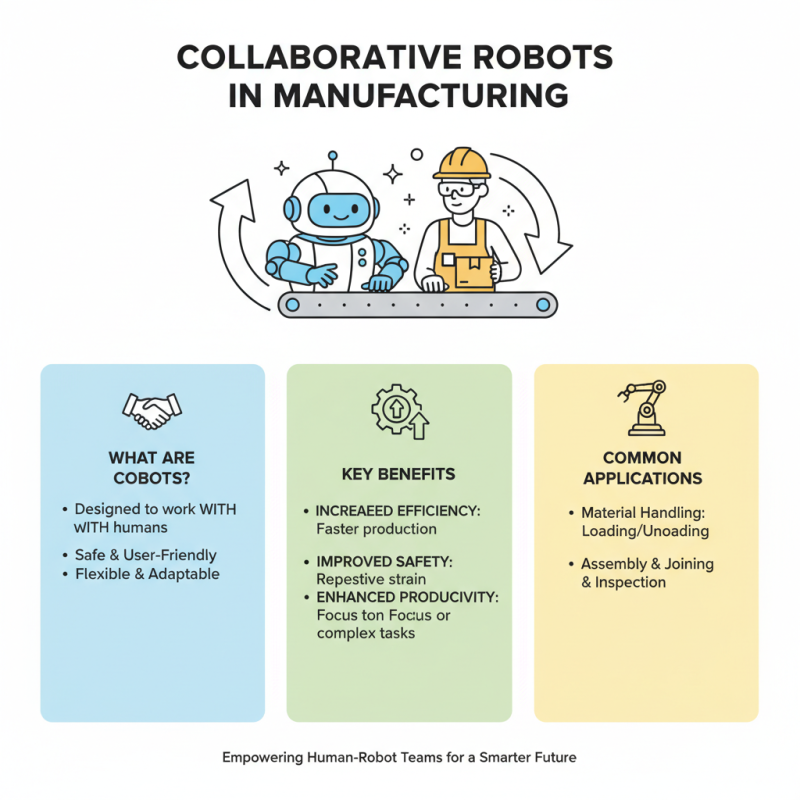
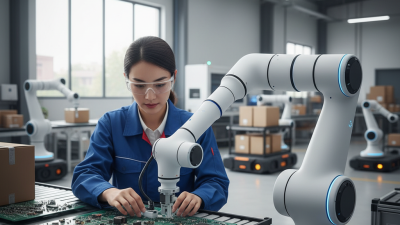
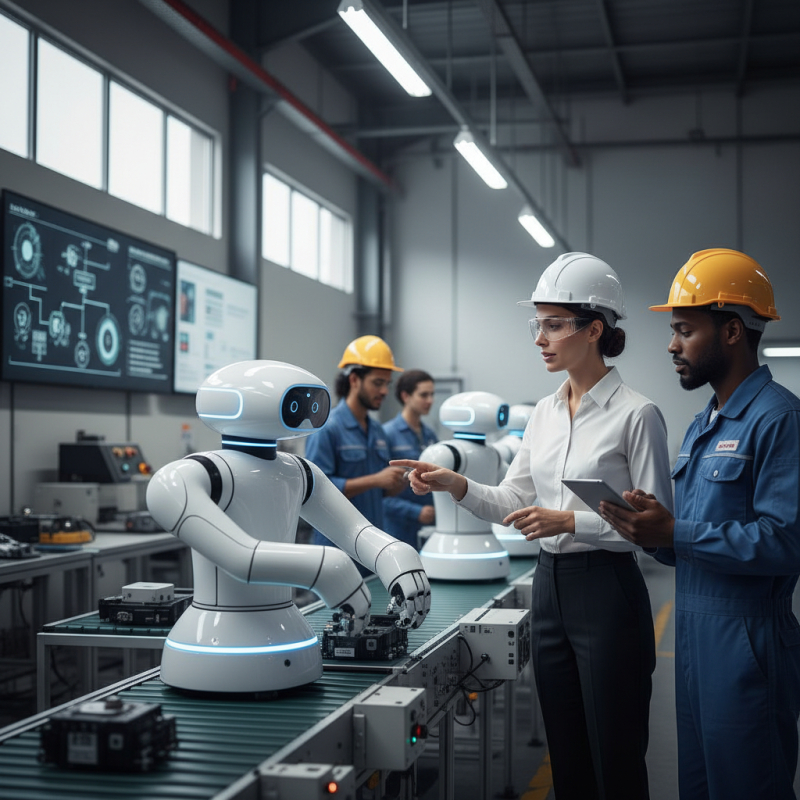
Collaborative robots, or cobots, play a significant role in modern manufacturing. These robots are designed to work alongside human operators, enhancing efficiency and safety. Cobots can perform repetitive tasks, which allows human workers to focus on more complex activities. For instance, a cobot may handle loading or unloading materials, while employees concentrate on quality control or design adjustments.
The integration of collaborative robots requires careful planning. Companies must assess their specific needs and the types of tasks that lend themselves to automation. Employees also need training to understand how to work with these machines safely. Miscommunication can lead to errors. For example, if a cobot's programming is not aligned with the workflow, it may disrupt operations instead of improving them.
Moreover, organizations may face challenges in measuring the return on investment. Initial costs can be high, but the long-term benefits are often significant. It's crucial to conduct pilot projects to gauge effectiveness. Feedback from human workers can provide insights into potential improvements or adjustments needed in the cobot's functionality. Embracing their role requires openness to change and a commitment to continuous learning.
Key Features of Collaborative Robots for Industrial Applications
Collaborative robots, or cobots, are transforming manufacturing by enhancing productivity and efficiency. Their design prioritizes safety, allowing them to work alongside human operators. A key feature is their ability to adapt to various tasks. These robots can perform repetitive actions or assist in assembly lines. This flexibility is crucial in dynamic manufacturing environments.
Another notable feature is their easy programming. Many cobots utilize intuitive interfaces, reducing the need for specialized training. Operators can program them quickly to meet changing demands. However, businesses must consider the initial learning curve. Effective training is essential to maximize the benefits of cobots. Workers may need time to adjust to new technologies, highlighting the importance of gradual integration.
Moreover, cobots offer valuable data collection capabilities. They can track performance metrics and identify areas needing improvement. However, businesses must ensure data security and proper analysis to avoid misinterpretations. Implementing these robots requires careful planning and monitoring. Balancing automation with human oversight can lead to optimal outcomes.
Effectiveness of Collaborative Robots in Manufacturing
Best Practices for Integrating Collaborative Robots into Existing Workflows
Integrating collaborative robots into existing workflows requires careful planning and consideration. Start by identifying tasks where robots can add value, like repetitive assembly or quality inspection. Assess the current workflow for bottlenecks or inefficiencies. Engage team members in discussions about potential improvements. Their insights can highlight areas needing attention.
Training is essential for seamless integration. Operators must understand how to work alongside robots. Hands-on training helps build confidence. It also ensures that human workers can respond to unexpected situations. Test the robots in controlled environments before full deployment. This approach allows for adjustments based on user feedback and performance metrics.
Monitor the impact of collaborative robots on productivity. Keep an open mind about their role in your processes. Sometimes, robots may not perform as expected. Reflect on what adjustments are necessary to improve their effectiveness. Communication with the team is vital throughout this journey. Everyone should feel included in the conversation about integrating technology into their workflow.
Training and Safety Measures for Workers Using Collaborative Robots
Training workers to use collaborative robots (cobots) effectively is crucial.
It starts with understanding the technology. Workers should know how cobots differ from traditional robots. Cobots work alongside humans, enhancing capabilities. This partnership can boost efficiency but requires careful training.
Safety measures are equally important. Regular safety drills ensure workers respond well to emergencies. Proper protective gear should be used around cobots. Additionally, clear guidelines for interaction can prevent accidents. Encouraging a culture of safety helps workers feel secure in their roles. Mistakes may happen, but learning from them is essential.
Reflection is key in this training process. Workers need regular feedback about their experiences. Open discussions can highlight issues with robot operation. This information is valuable for improving training programs. With consistent effort, companies can create a safer, more efficient workplace by integrating cobots.
Measuring the Impact of Collaborative Robots on Production Efficiency
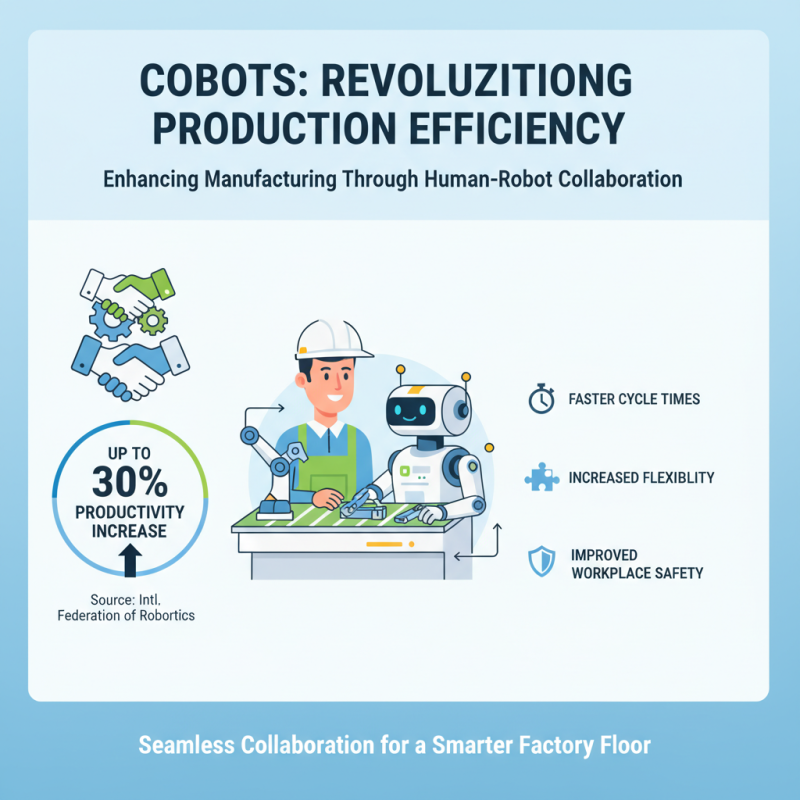
Collaborative robots, or cobots, have revolutionized manufacturing. They enhance production efficiency significantly. According to a study by the International Federation of Robotics, the implementation of cobots can increase productivity by up to 30%. This increase results from their ability to work alongside human operators without safety barriers. This collaboration allows for more flexible workspaces.
In production lines, cobots can take on repetitive tasks, reducing fatigue among human workers. A report from McKinsey highlights that companies deploying cobots saw a 20-50% reduction in labor costs. However, the impact can vary. Companies must carefully measure productivity before and after cobot deployment. Not all factories see immediate gains. Some require time for human operators to adapt to these machines.
Moreover, not every task suits collaborative robots; understanding their limitations is vital. Inappropriate application can lead to decreased efficiency. A recent case study indicated a firm that suffered productivity loss due to misalignment between human and robot tasks. Regular assessments are crucial to ensure optimal integration. Adjustments are often needed to fully harness the benefits of collaborative robots in manufacturing.