How Collaborative Robots Are Transforming Manufacturing Today?
In the evolving landscape of manufacturing, the integration of collaborative robots is revolutionizing the industry. Experts like Dr. Lisa Cheng, a leading authority in robotics, emphasize the significance of this transformation. She once stated, "Collaborative robots in manufacturing enhance efficiency, but they require a shift in workforce mindset." This highlights both the opportunities and challenges presented by this technology.
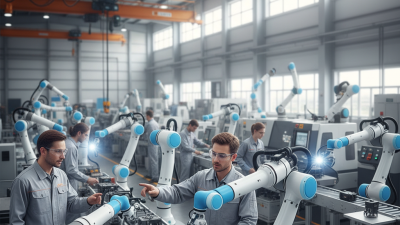
Collaborative robots, or cobots, work alongside human operators, enhancing productivity and safety. They take on repetitive or hazardous tasks, allowing workers to focus on more complex activities. For instance, in automotive assembly lines, cobots streamline operations and reduce human error. Yet, the introduction of cobots also raises critical questions about job displacement and retraining.
The journey of integrating collaborative robots in manufacturing is not devoid of hurdles. Companies face challenges in adjusting workflows and ensuring proper communication between human and robotic team members. Embracing these changes demands both technological adaptations and a cultural shift within the workforce. As the industry continues to evolve, stakeholders must reflect on the balance between automation and the human touch in manufacturing processes.
The Rise of Collaborative Robots in Modern Manufacturing Environments
The manufacturing landscape is evolving rapidly. Collaborative robots, or cobots, are at the forefront of this change. These machines work alongside human employees, enhancing productivity while minimizing physical strain. They excel in tasks that require precision, such as assembly and packaging. Yet, incorporating cobots is not without challenges. Manufacturers must carefully evaluate how these robots will fit into their existing workflows.
Cobots do not replace human workers. Instead, they complement their skills. This synergy allows tasks to be completed faster and with fewer errors. For example, a cobot can perform repetitive actions while a worker handles more complex duties. However, integrating cobots requires training and adaptation. Workers may feel uncertain about their roles as machines take over specific functions.
Successful implementation of collaborative robots hinges on clear communication and shared goals. Manufacturers must create environments where human and robot interactions foster innovation. It is crucial to balance autonomy and oversight. Industry leaders should continuously assess the impact of cobots on workers' morale and job satisfaction. The journey of integrating cobots is ongoing, highlighting the need for flexibility and continuous learning in modern manufacturing.
Key Industries Adopting Collaborative Robots and Their Impact
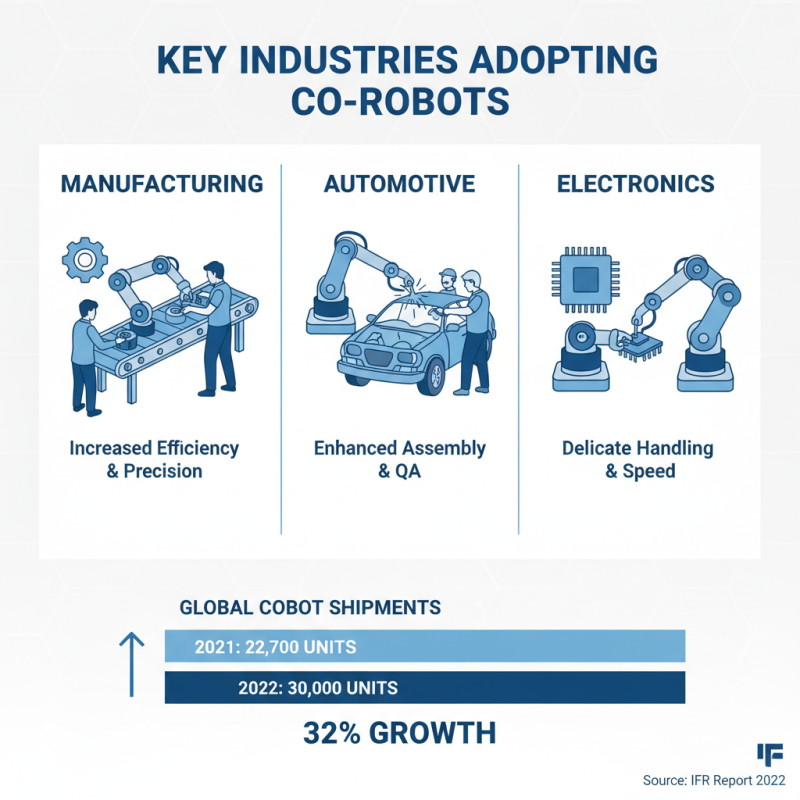
Collaborative robots, or cobots, are making significant strides across key industries. Manufacturing, automotive, and electronics are leading the way. According to a report by the International Federation of Robotics, cobot shipments reached 30,000 units in 2022, showing a growth rate of 32% over the previous year. This surge reflects the increasing adoption of automation in production lines.
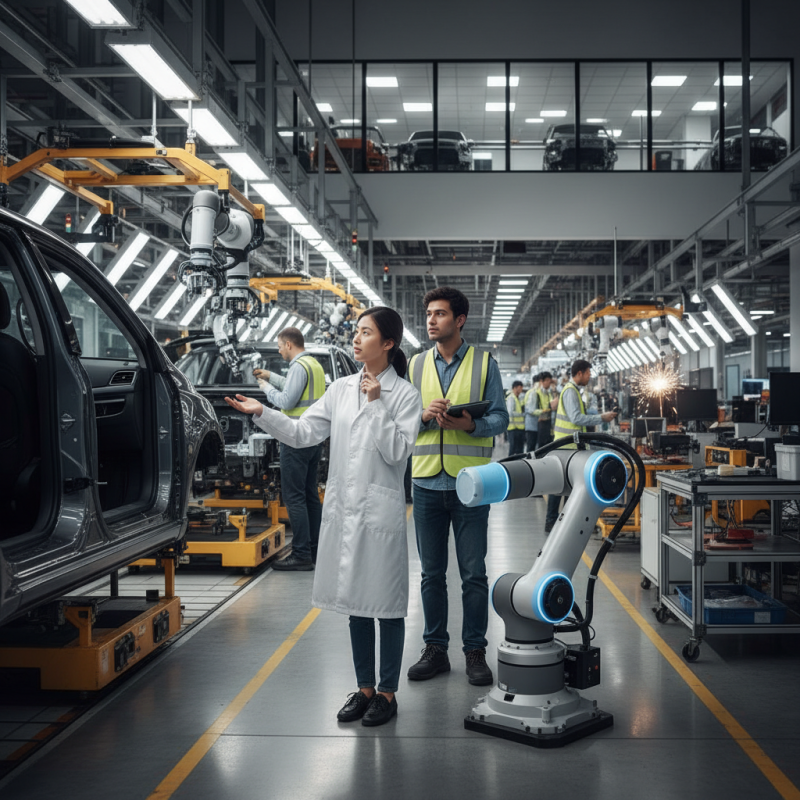
In the automotive sector, cobots are integrated into assembly lines to handle repetitive tasks. They work alongside human workers, enhancing efficiency while reducing the risk of workplace injuries. Data from a recent McKinsey study indicates that the automotive industry saw a productivity boost of 20% post-cobot implementation. However, the initial cost of integration remains a barrier for small manufacturers. Balancing investment with potential gains is crucial for broader adoption.
Electronics manufacturers are also leveraging cobots for precision tasks. These robots handle delicate components, ensuring consistent quality. A study by MarketsandMarkets reports that by 2025, the global cobot market could reach $12.55 billion. Yet, companies must navigate challenges such as technical training and workflow integration. Without addressing these hurdles, the full potential of collaborative robots may not be realized.
Statistical Insights: Productivity Gains from Using Collaborative Robots
Manufacturers are increasingly adopting collaborative robots, or cobots, to boost productivity. A recent study found that companies utilizing cobots experienced a 30% increase in overall efficiency. This surge in productivity can be attributed to their ability to work alongside human workers, handling repetitive tasks while freeing employees for more complex roles. Automation of mundane tasks not only accelerates production but also enhances job satisfaction among staff.
Moreover, data from industry reports highlights that implementing collaborative robots can yield significant time savings. For instance, cobots can reduce task completion times by up to 45%. This not only accelerates production cycles but also enables quicker response times to market demands. However, it's crucial to note that these technologies require careful integration into existing workflows. Some companies face challenges in achieving full synergy between human workers and robots.
The investment in collaborative robots is substantial, yet the potential returns are compelling. Studies suggest that businesses can see a return on investment within as little as 6-12 months. With the ability to operate in various environments, cobots are shaping the future of manufacturing. Balancing technological advancements with human input remains essential for optimal performance. Yesterday's practices must evolve to embrace these innovations effectively.
Challenges and Limitations in Implementing Collaborative Robotics Systems
The integration of collaborative robots, or cobots, in manufacturing is stirring excitement. However, several challenges hinder their widespread implementation. Compatibility issues arise when integrating cobots with existing machinery. Many manufacturers struggle to achieve seamless interaction without costly upgrades. A report from the International Federation of Robotics indicates that nearly 40% of companies face integration difficulties.
Training employees to work alongside cobots is another hurdle. Workers may feel intimidated by new technology. This fear can lead to resistance and a lack of engagement in the adoption process. According to a recent survey, about 35% of employees lack confidence in operating collaborative robots. Proper training programs are crucial yet often underfunded. A lack of investment in education can stall progress and create a divide between human workers and robots.
Data security is also a growing concern. As cobots operate within networks, vulnerabilities emerge. Industries reported increased cyber threats linked to robotic systems. The challenge lies in securing these connected devices while maintaining operational efficiency. Companies must prioritize robust cybersecurity measures to protect their investment and performance. Every implementation carries risks that should not be underestimated.
Future Trends: The Evolution of Collaborative Robots in Manufacturing
Collaborative robots, or cobots, are changing the landscape of manufacturing. These machines work alongside human operators. They take on repetitive tasks, enhancing efficiency. As technology advances, cobots are becoming more intelligent and adaptable. Manufacturers are investing heavily in these systems to remain competitive.
Future trends indicate a shift towards more versatile cobots. They are not just for assembly lines anymore. These robots will be able to handle complex processes in varying environments. AI integration allows them to learn from their surroundings. This adaptability could lead to smarter production lines.
However, there are challenges. The adoption of cobots may require rethinking workforce dynamics. Training for human workers is crucial. There might be fears of job displacement. Balancing technology with human skills will be essential for a harmonious workplace. The evolution of cobots demands a thoughtful approach.