Why Choose Cobot Robots for Your Business Needs?
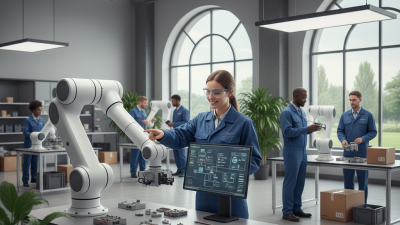
In today's fast-paced manufacturing landscape, businesses face numerous challenges. Cobot robots emerge as a solution tailored for efficiency and flexibility. Unlike traditional industrial robots, cobots are designed to work alongside human operators. This collaborative approach enhances productivity without compromising safety.
Cobot robots can be easily trained and deployed in various tasks. Their adaptability makes them suitable for small to medium-sized enterprises. Many companies have reported increased output and reduced operational costs after integrating cobots. However, some still hesitate, fearing the complexity of implementation.
Despite their advantages, careful consideration is essential. Understanding your business needs is crucial before adopting any technology. The choice of a cobot robot should align with your unique operational requirements. This reflection can lead to better decision-making, ensuring that cobots serve their intended purpose effectively.

Benefits of Using Cobot Robots in Various Industries
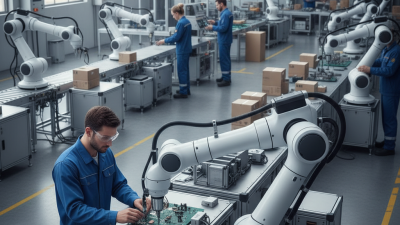
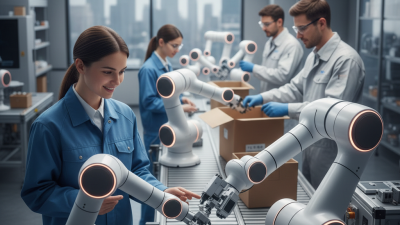
Cobot robots, or collaborative robots, are transforming the landscape of various industries. They are designed to work alongside humans, enhancing safety and productivity. In manufacturing, cobots assist with repetitive tasks like assembly and packaging. This collaboration reduces physical strain and allows workers to focus on more complex tasks, improving overall efficiency.
One key benefit is their adaptability. Cobots can easily be programmed for different duties. In the food industry, for example, they handle packaging to ensure hygiene. This flexibility allows businesses to respond quickly to changing demands. However, integrating cobots requires staff training. Employees may feel unsure about sharing workspaces with robots. Addressing these concerns is crucial for successful implementation.
Tips for successful cobot integration:
Involve employees early in the process. Providing training helps alleviate fears and builds confidence. Another tip is to start small. Pilot programs allow businesses to test cobot capabilities without overwhelming their workforce. Reflecting on initial experiences can guide future deployments, leading to better collaboration. Adopting cobots is not just about technology; it’s about enhancing the human element in the workplace.
Key Features of Cobot Robots That Enhance Business Efficiency
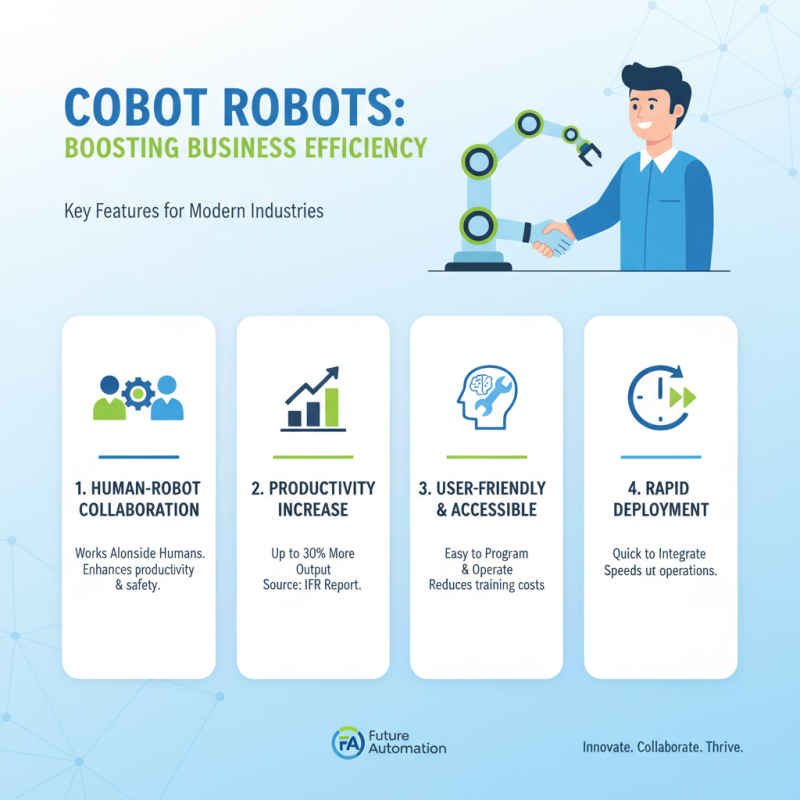
Cobot robots offer significant benefits for various industries. Their ability to work alongside humans enhances productivity and efficiency, which is critical in today's competitive landscape. According to a report by the International Federation of Robotics, implementing cobots can lead to a productivity increase of up to 30%. They are designed to be user-friendly, making them accessible for employees without extensive training. This can reduce training costs and speed up deployment.
One key feature of cobots is their safety systems. They utilize advanced sensors and force-limiting technology to prevent collisions. This not only protects workers but also minimizes downtime caused by accidents. According to a study by MIT, environments with cobots reported a 40% reduction in workplace injuries. This adds to their appeal for businesses focused on maintaining a safe working environment.
Tip: Assess your workspace. Identify tasks that are repetitive or potentially dangerous. Cobots can be programmed to take over these tasks, freeing up human workers for more complex issues.
Cobot flexibility is another advantage. They can easily be programmed for different tasks, adapting to changes in production needs. Companies have seen a decrease in operational costs by approximately 20% due to reduced labor and quicker production cycles. However, implementing cobots requires careful planning. Businesses need to consider potential integration challenges and how they will impact existing workflows.
Comparative Analysis: Cobots vs. Traditional Industrial Robots
Cobots, or collaborative robots, offer unique advantages over traditional industrial robots. They are designed to work alongside humans, enhancing efficiencies and safety in the workplace. Unlike traditional robots, cobots are typically smaller and more flexible, making them easier to integrate into various environments. This adaptability allows businesses to implement automation without extensive modifications to existing setups.
Traditional industrial robots often excel in speed and precision, but they can be costly and require specialized training for operators. Cobots simplify this issue. Their user-friendly interfaces enable quick programming and operation. Moreover, cobots can take on repetitive tasks, freeing human workers for more complex duties. However, some may worry about the limitations of cobots in high-load scenarios.
The cost aspect may also raise questions. Cobots generally have lower upfront costs, but can they handle the same volume as traditional robots? Businesses must assess their specific needs and consider the trade-offs. While cobots present many benefits, they aren't a one-size-fits-all solution. Reflecting on these points allows for a well-rounded decision in adopting automation technology.
Why Choose Cobot Robots for Your Business Needs?
| Feature |
Cobot Robots |
Traditional Industrial Robots |
| Initial Investment Cost |
Low to Moderate |
High |
| Ease of Use |
User-Friendly |
Requires Specialized Training |
| Flexibility |
Highly Flexible |
Less Flexible |
| Safety |
Collaborative and Safe |
Requires Safety Guards |
| Deployment Time |
Quick Deployment |
Longer Setup Time |
| Customization |
Easily Customizable |
Limited Customization |
Cost-Effectiveness of Implementing Cobot Solutions
Cobot robots have become an essential tool for businesses. Their cost-effectiveness stands out in various industries. Implementing cobots usually requires a lower initial investment compared to traditional industrial robots. This lower cost translates into quicker returns on investment. Many companies see savings on labor costs and increased productivity with cobots.
Tips for adopting cobots: Start with a clear plan. Assess your workflow to identify areas for improvement. Some tasks may require custom solutions. Don’t rush the integration; allow time for staff training to ensure seamless collaboration.
It is crucial to consider potential drawbacks. Cobots may not fully replace human workers, leading to mixed feelings among employees. Employee training could initially disrupt workflow as workers adapt. Encourage an open dialogue about these changes to minimize resistance and enhance acceptance. Make sure to gather feedback regularly to refine operations.
Future Trends in Cobot Robotics for Business Optimization
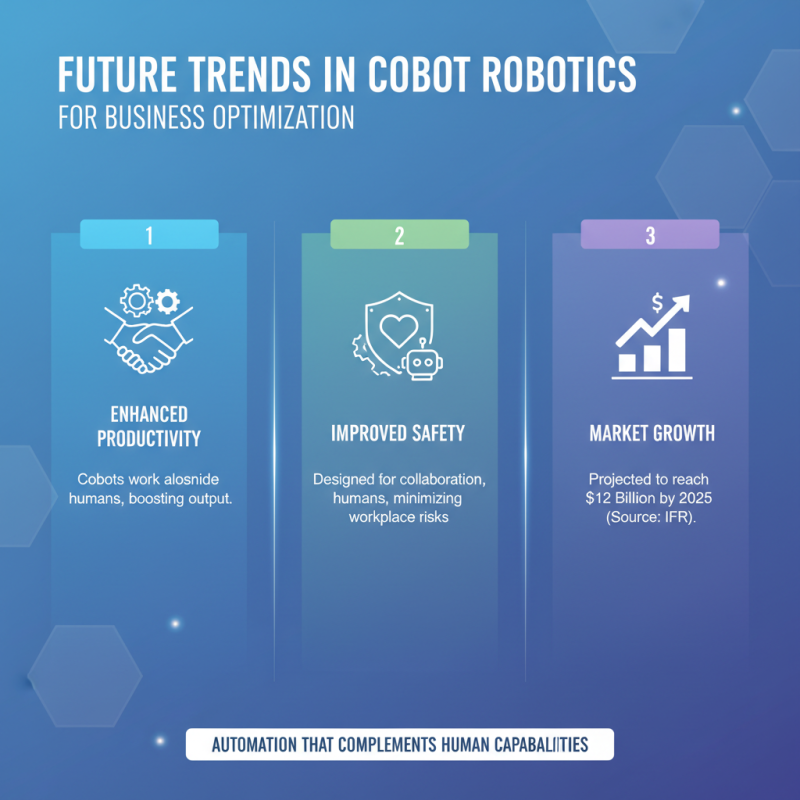
Cobot robots are rapidly becoming essential in various industries. These collaborative robots can work alongside humans, enhancing productivity while ensuring safety. According to a report by the International Federation of Robotics, the global market for cobots is projected to reach $12 billion by 2025. This growth signifies a shifting trend toward automation that complements human capabilities.
The most notable future trend is the integration of AI with cobot technology. AI enables cobots to learn from their environment and adapt to new tasks. This adaptability can lead to increased efficiency, as businesses can easily reprogram cobots for different jobs. A recent study highlighted that incorporating AI into cobots can improve worker productivity by 30%. However, businesses must also consider the learning curve associated with these advanced technologies.
Tips: Investing in training programs for your staff can ease the transition to cobot integration.
Moreover, companies should start small when implementing cobots. Begin with one or two units and assess their impact before scaling up. This cautious approach allows businesses to measure performance and adjust strategies as needed. Despite the advantages, cobots require careful planning and consideration of workflow dynamics to maximize their benefits. Adopting this technology can significantly enhance your operations while presenting new challenges in workforce management.