What is Cobot Automation and How Does It Work?
Cobot automation is revolutionizing the workplace. Collaborative robots, or cobots, work alongside humans. They enhance productivity without replacing jobs. Unlike traditional industrial robots, cobots are designed to be safe and easy to use.
These robots can handle repetitive tasks. They assist with assembly, packaging, and quality control. Workers appreciate how cobots take over the boring parts of their jobs. This allows employees to focus on more complex tasks. However, not all cobot implementations go smoothly. Some workers feel insecure about their roles. It’s essential for companies to address these concerns.
Cobot automation is not a cure-all solution. Sometimes, the integration can lead to disruptions. Training staff is critical for success. Companies must invest time and resources. With the right approach, cobots can lead to significant improvements in efficiency and job satisfaction.
What is Cobot Automation? An Introduction to Collaborative Robots
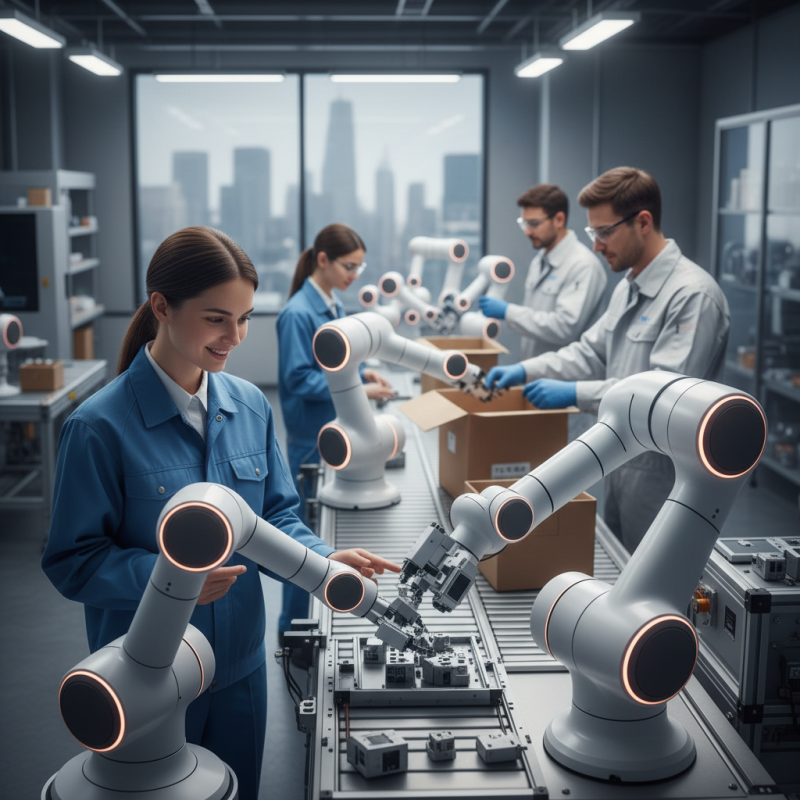
Cobot automation, or collaborative robot technology, is a rapidly growing field. These robots are designed to work alongside humans, enhancing productivity. Unlike traditional industrial robots, cobots are safe and user-friendly. They can operate in close proximity to workers without barriers. This allows for a more integrated workflow in various industries.
One common application is in assembly lines. Cobots can perform repetitive tasks like screwing or packing. Workers focus on more complex tasks, reducing physical strain. However, implementing cobots requires careful planning. Not all tasks are suitable. It's crucial to evaluate which processes benefit most from automation. Misjudgment can lead to inefficiencies.
Training is also vital. Workers must understand how to interact with cobots. Some may feel apprehensive at first. Building trust is key. Cobots might make errors, leading to frustration. Continuous feedback and adjustment are necessary to refine their performance. Not every setup will yield success right away; learning from missteps is part of the journey.
Cobot Automation Industry Growth Over Time
The chart above illustrates the growth of the global cobot automation market from 2019 to 2023, demonstrating an increasing trend in market size as industries adopt collaborative robots to enhance productivity and efficiency.
History and Evolution of Cobot Technology in Industrial Settings
Cobot technology has transformed industrial automation significantly. Initially, robots were seen as threats to jobs. Many workers feared competition and displacement. However, cobots, or collaborative robots, emerged with a different goal. They were designed to work alongside humans, enhancing productivity without replacing them.
The history of cobots began in the late 1990s. They were developed to assist workers in repetitive tasks. Early models were basic and often unreliable. Over time, advancements in sensors and AI made cobots more efficient. Today, they can understand human movements, adapt to environments, and perform complex tasks. Their growth reflects a shift in manufacturing mindsets.
Tips: Consider the workspace when integrating cobots. Ensure they complement human workers effectively. Assess the training needs for employees to interact with these robots. Sometimes, teams struggle to adapt, facing communication barriers. Regular feedback can improve collaboration.
Cobot technology isn't without challenges. Some companies have reported integration issues. Workers may feel unsure about working alongside robots. It’s vital to address these concerns. Building trust between humans and cobots is essential for success. Open conversations can alleviate fears and foster a collaborative culture.
Key Features and Benefits of Cobot Automation in Manufacturing
Cobot automation, or collaborative robot automation, is revolutionizing manufacturing. These robots work alongside humans, enhancing productivity. According to a recent report by the International Federation of Robotics, global sales of collaborative robots are expected to grow by 30% annually over the next few years.
One key feature of cobots is their adaptability. They can be easily programmed for various tasks, from assembly to packaging. This flexibility allows manufacturers to meet changing demands without extensive retraining. However, integrating cobots can be challenging. Companies must address worker safety and proper training. Over 60% of manufacturers report concerns about worker displacement.
Another benefit is operational efficiency. Cobots can operate around the clock, reducing cycle times. A study from McKinsey found that automation could increase productivity by up to 50% in some sectors. Yet, it’s crucial to consider the initial investment. The costs can be high for small to mid-sized businesses. Balancing cost against potential gains requires thorough analysis.
Industry Applications of Cobots: From Assembly to Quality Control
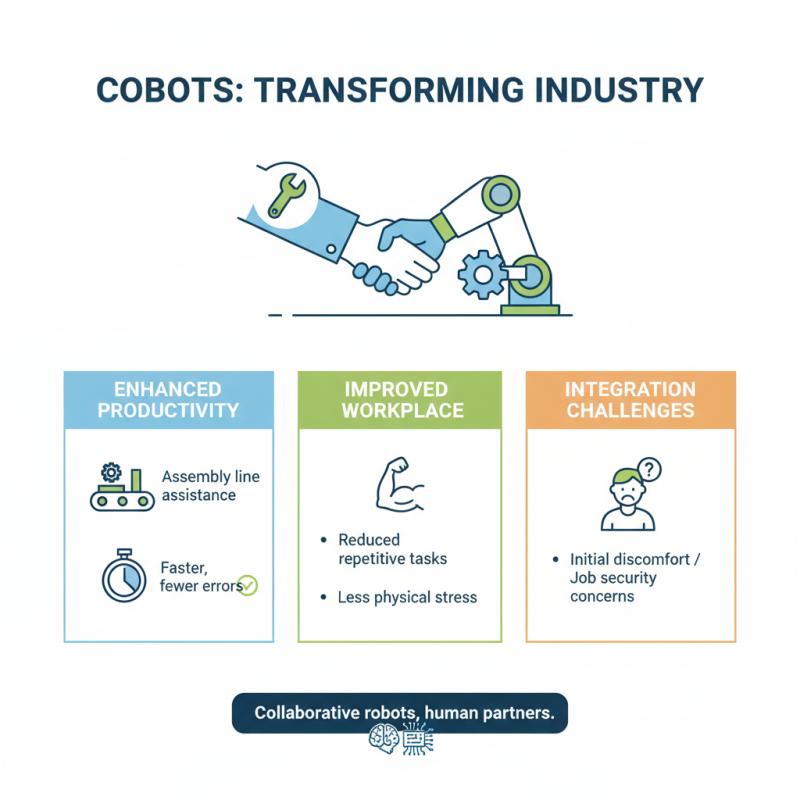
Cobots, or collaborative robots, are transforming various industries. They work alongside humans to enhance productivity. In assembly lines, they assist with tasks like picking parts and placing them accurately. This boosts speed and reduces errors. Workers often find their jobs less stressful when cobots handle repetitive tasks. However, the integration can lead to some initial discomfort. Workers may feel threatened by these machines.
Quality control is another critical area where cobots shine. They can inspect products quickly and consistently. These robots use sensors and cameras to detect defects. This allows for faster feedback in the production process. Companies can catch problems early, improving overall quality. Yet, reliance on technology can create gaps in human skills. If not managed well, this may lead to challenges in workforce adaptation.
In packaging, cobots help ensure precise labeling and packing. They can handle complex designs that require attention to detail. But, mistakes still happen. Some cobots may struggle with delicate items, causing damage. Regular training for both robots and human workers is vital. Balancing technology and human labor requires ongoing reflection. Adapting to these changes is essential for success.
Future Trends and Market Predictions for Cobot Automation Growth
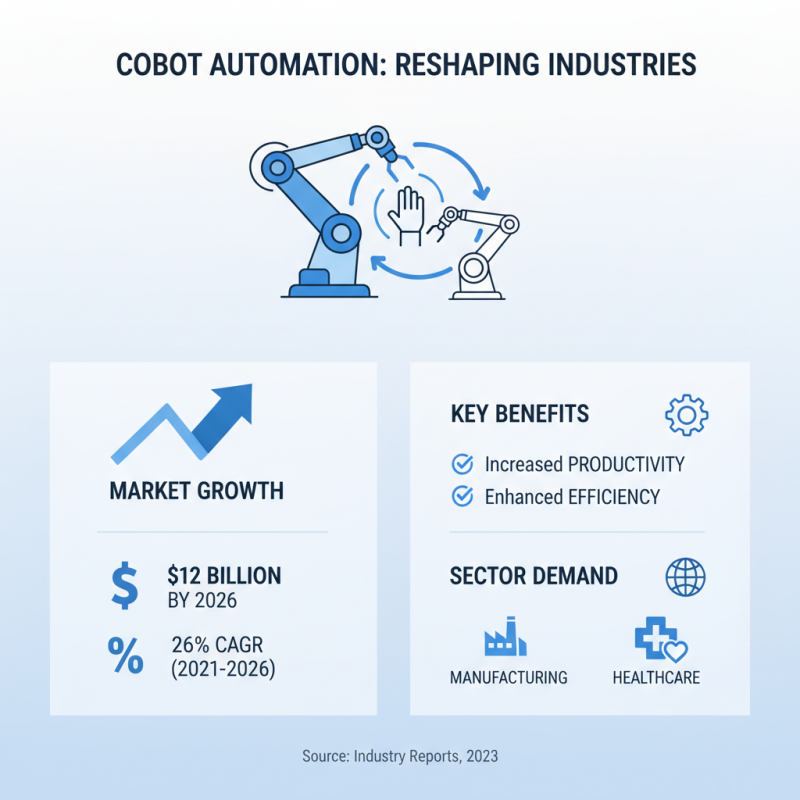
Cobot automation is reshaping industries by enhancing productivity and efficiency. Recent reports indicate that the cobot market is expected to reach $12 billion by 2026, growing at a compound annual growth rate of 26%. This explosive growth reflects a strong demand for collaborative robots across various sectors, including manufacturing and healthcare.
Future trends suggest that the integration of AI and machine learning with cobots will increase their capabilities. These robots are designed to work safely alongside humans. However, integration can sometimes raise concerns about job displacement. Companies need to navigate this carefully. Aligning cobot deployment with employee training is essential. A balanced approach can ensure acceptance and maximize productivity.
The market is also likely to see significant investments in research and development. Companies are focused on improving cobot hardware and software. Yet, challenges remain. Many small and medium enterprises still hesitate to adopt cobot technology. They cite cost and complexity as barriers. As more evidence of cobots' benefits emerges, this mindset may shift. Awareness and education are crucial in driving adoption forward.