How to Choose the Right Axial Spherical Plain Bearings?
Choosing the right Axial Spherical Plain Bearings is crucial for optimal machinery performance. These components play a vital role in various applications, from construction equipment to aerospace engineering. Selecting the appropriate bearing can significantly impact durability and efficiency.
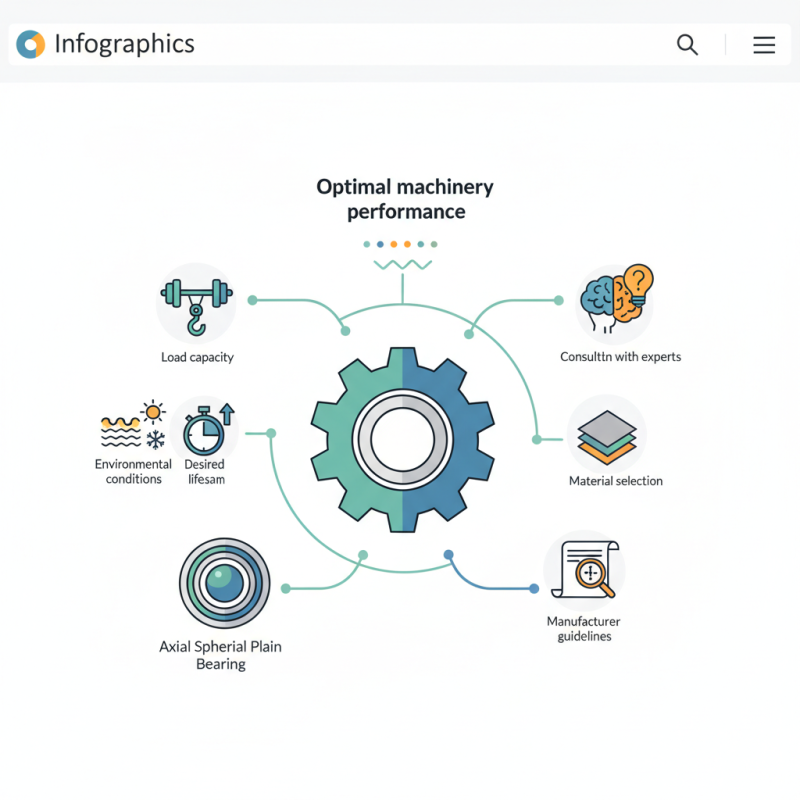
When considering Axial Spherical Plain Bearings, it is essential to assess factors such as load capacity, environmental conditions, and desired lifespan. Each application comes with unique requirements. Ensuring the right fit may prevent costly repairs down the line.
Many overlook the significance of precise measurements and material selection in this context. A miscalculation could lead to unexpected failures. Consulting with experts or referring to manufacturer guidelines can provide useful insights. Understanding your needs is key to making an informed decision.
Understanding Axial Spherical Plain Bearings and Their Applications
Axial spherical plain bearings are crucial components in various machinery. They allow for rotational motion and movement in multiple directions. These bearings are often found in heavy machinery, automotive systems, and aerospace applications. According to a report by MarketsandMarkets, the spherical plain bearings market is projected to reach $4.1 billion by 2025. This growth reflects the increasing demand from industrial sectors seeking efficient rotational solutions.
Understanding the application of these bearings helps in selecting the appropriate type. For instance, high radial load capacity bearings are ideal for construction equipment. Meanwhile, low friction alternatives benefit automotive and aerospace sectors. A study from the American Society of Mechanical Engineers highlighted that improper bearing selection can lead to equipment failures, costing industries an average of $3 million annually in downtime and repairs.
While axial spherical plain bearings are reliable, they are not without challenges. Installation requires precision. Misalignment can lead to premature wear. Lubrication also plays a key role in performance. Lack of maintenance can compromise their lifespan. Industries must pay attention to these factors to realize the full potential of axial spherical plain bearings.
Key Factors to Consider When Selecting Axial Spherical Plain Bearings
Choosing the right axial spherical plain bearings can be challenging. Several key factors must be considered to ensure optimal performance. One crucial aspect is the load capacity. Bearings should support the expected loads without excessive wear. Evaluate both radial and axial loads before making a decision.
Material selection is also vital. The type of material affects durability and resistance to wear. For instance, steel bearings may be more robust in heavy applications. However, they can corrode in humid environments. In such cases, considering hybrid materials could be beneficial.
Tips: Assess the operating environment. Temperature and humidity can impact bearing performance. High temperatures may lead to premature failure.
Another factor is the bearing's lubrication needs. Some may require regular maintenance, while others are self-lubricating. This can significantly affect the total cost of ownership over time. Ensure that the lubrication method aligns with maintenance capabilities.
Tips: Consider potential maintenance frequency. Easier maintenance often saves time and costs long-term.
Lastly, ensure compatibility with your machinery. Bearings must fit correctly to avoid misalignment issues. Measure dimensions accurately before ordering. Each detail plays a role in the overall functionality.
Material Selection for Optimal Performance in Axial Spherical Bearings
When selecting materials for axial spherical plain bearings, understanding their performance is crucial. These bearings typically face high loads and require excellent wear resistance. According to a recent industry report, proper material choice can enhance the lifespan of these bearings by up to 30%. Common materials include steel, bronze, and various composites. Each material has distinct properties that affect their performance in different environments.
For optimal performance, consider the operating conditions. Steel bearings are often chosen for their strength, while bronze bearings provide superior load-bearing capabilities in high-friction settings. Composites can be beneficial in corrosive environments, balancing weight and durability. It’s essential to assess the specific requirements of the application before making a choice.
Tip: Always evaluate the environmental factors that could affect the bearing’s performance. Temperature, moisture, and potential contaminants are critical considerations. Remember, a mismatch in material can lead to premature failure. Balancing the cost and performance benefits is imperative, as lower-priced materials may not withstand demanding conditions. Make informed decisions to prevent future complications.
Material Selection for Optimal Performance in Axial Spherical Plain Bearings
Evaluating Load Ratings and Operating Conditions for Bearing Choice
Choosing the right axial spherical plain bearings requires careful evaluation of load ratings and operating conditions. Load ratings indicate the maximum capacity of the bearing under various conditions. According to the Bearing Industry Standards, a standard axial load rating can be up to 140 kN for common sizes. However, material limitations can affect this rating. Selecting the right material is crucial. Steel bearings may handle more load, but they can fail under adverse conditions.
Operating conditions greatly influence bearing life. Factors such as temperature, speed, and lubrication must be considered. Reports from the American Institute of Mechanical Engineers suggest that improper lubrication can reduce bearing life by 30%. High temperatures can lead to premature wear. It's important to analyze specific application conditions. Fluid environments or contamination can also lead to unexpected failures.
Engineers often overlook these details. They sometimes assume one size fits all, which can lead to significant downtime. It's essential to assess not just the rated load, but also how that load interacts with real-world stresses. Regular monitoring can help identify wear trends. This proactive approach saves resources and enhances efficiency.
Common Mistakes to Avoid When Choosing Axial Spherical Plain Bearings
Choosing the right axial spherical plain bearings requires careful consideration. One common mistake is ignoring the load capacity. According to industry data, selecting bearings without thorough load specifications can lead to premature failure. For example, a study found that 30% of bearing failures relate to improper load assessments. Always ensure your chosen bearing matches the specific load requirements of the application.
Another frequent oversight involves neglecting lubrication needs. Bearings require the right lubricant for optimal performance. A report indicated that roughly 25% of bearing issues stem from inadequate lubrication. Selecting the wrong lubricant type can lead to overheating and wear. It's crucial to understand the operating conditions, including temperature and environment, to choose the appropriate lubricant.
Lastly, many overlook installation practices. Incorrect installation can compromise bearing integrity. Experts warn that improper alignment can cause significant deformation. More than 20% of bearing problems are attributed to installation errors. Taking the time to learn proper techniques can enhance the performance and longevity of axial spherical plain bearings.