How to Choose Magnetic Concrete Chamfer for Your Projects?
Selecting the right Magnetic Concrete Chamfer for your construction needs can significantly impact the final result of your project. These tools create clean, smooth edges that enhance both aesthetics and durability. With various types and sizes available, it's essential to understand their unique features and how they align with your specific requirements.
Experience plays a crucial role in choosing the right chamfer. It's not just about looks; the right Magnetic Concrete Chamfer contributes to the structural integrity of your work. Consider the weight and material of your chamfer, as they influence placement and stability. Many users overlook this aspect, leading to inefficient designs.
Additionally, the magnetic feature offers convenience in positioning. However, some professionals find it challenging if not properly aligned. Reflect on how often you need to adjust and remeasure your chamfer. Each project brings distinct challenges, and understanding these details makes a difference. By carefully evaluating your options, you can enhance both efficiency and quality in your construction projects.
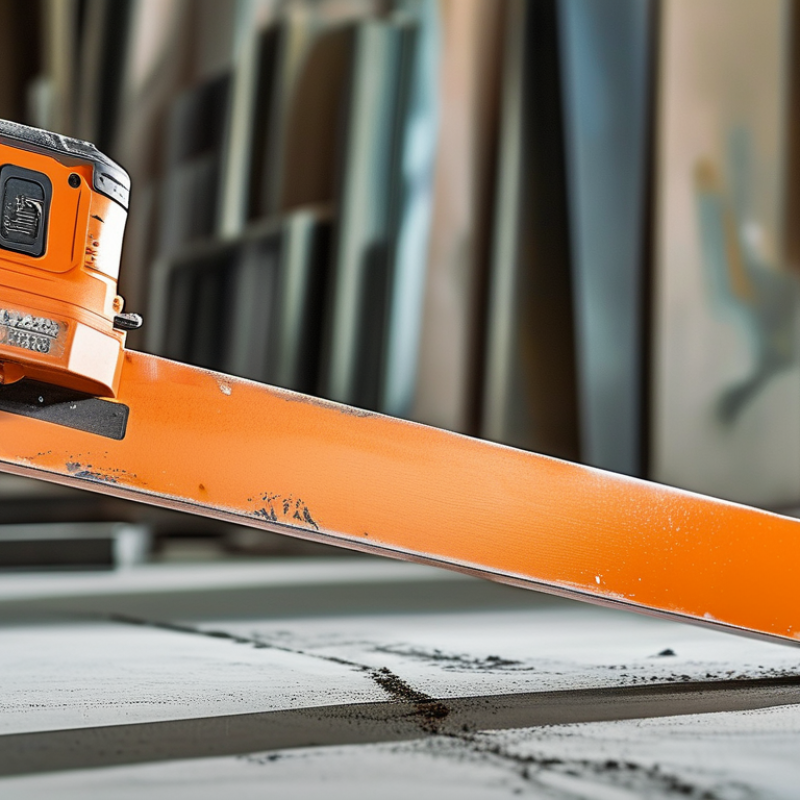
Understanding Magnetic Concrete Chamfers and Their Applications
Magnetic concrete chamfers are essential tools in construction projects. They create clean edges and provide a professional finish to concrete structures. These chamfers hold firmly to the formwork, ensuring that they deliver accuracy during the curing process. That eliminates the risk of misalignment, which can lead to costly mistakes. Choosing the right chamfer can enhance the quality of your concrete work.
Understanding their applications is crucial. Magnetic chamfers are versatile and can be used for various types of concrete pours. They are especially useful for sidewalks, driveways, and building foundations. Proper positioning ensures minimal surface blemishes. However, it's important to remain vigilant about their secure attachment. If they shift during pouring, the result could be uneven edges.
Many users find their magnetic feature incredibly helpful, but it can be a double-edged sword. While they are easy to reposition, frequent adjustments can slow down the workflow. Training team members on their effective use can be beneficial. Investing time in understanding the materials and their properties usually pays off. The right approach can lead to impressive, durable results that speak to your project's quality.
Evaluating Different Types of Magnetic Chamfer Products
When evaluating different types of magnetic chamfer products, it’s crucial to consider the specific project requirements. Each project may demand different specifications based on size, shape, and material composition. Magnetic chamfers come in various profiles and can influence the final appearance of concrete edges. Look for options that provide clean lines and easy alignment during installation. Testing a few types before committing to a bulk order can help determine what works best for your needs.
Another important aspect is the adhesive strength of the magnets. A strong magnet ensures the chamfer stays in place during the pouring process. However, not all projects require the same level of magnetism. Some users report that overly strong magnets can complicate repositioning. It’s vital to strike a balance between ease of use and stability. Reading product reviews can provide insights into real-world performance. This step is often overlooked but can save time and frustration.
Lastly, consider the durability of the material used in the chamfer design. While many products claim longevity, not all withstand repeated use. Users may find that some options wear down quickly under harsh conditions. Testing different materials in controlled environments may yield better choices. Take time to reflect on your findings before making a decision. This process may uncover unexpected insights that enhance your project’s quality.
How to Choose Magnetic Concrete Chamfer for Your Projects? - Evaluating Different Types of Magnetic Chamfer Products
| Product Type | Material | Length (inches) | Thickness (inches) | Price ($) | Application |
| Standard Magnetic Chamfer | Plastic | 48 | 1.5 | 25 | Concrete Slabs |
| Heavy Duty Magnetic Chamfer | Aluminum Alloy | 60 | 2 | 40 | Large Scale Projects |
| Flexible Magnetic Chamfer | Rubber | 36 | 1 | 30 | Curved Forms |
| Customized Magnetic Chamfer | Composite Material | 50 | 1.75 | 55 | Special Projects |
Factors to Consider When Selecting Magnetic Concrete Chamfers
When choosing magnetic concrete chamfers, several factors can influence your selection. First, consider the material's strength. Studies show that durable materials, like high-grade polymers, offer better resistance to wear and tear. A report from the Concrete Institute indicates that durable chamfers can extend lifespan by 25%. This is vital for long-term projects.
Another key aspect is the design flexibility. Opt for chamfers that can adapt to various forms and angles. A survey by the International Concrete Association found that 70% of contractors prefer chamfers that accommodate different design needs. This adaptability can lead to more creative solutions in construction.
Magnet strength is also crucial. Insufficient magnetism can lead to misalignments. A research article highlighted that about 15% of project delays stem from misaligned formwork. It's essential to choose chamfers that provide a reliable hold to minimize costly errors. Balancing these considerations will enhance project efficiency and quality.
Installation Tips for Magnetic Concrete Chamfers in Your Projects
When installing magnetic concrete chamfers, proper technique is crucial. Magnetic chamfers provide a strong bond, ensuring that your concrete edges are clean and precise. A report by the American Concrete Institute suggests that up to 30% of project inefficiencies stem from poor edge finishing methods. This makes a reliable installation method vital for project success.
Cleanliness is fundamental. Before applying the chamfer, ensure that the surface is free of dust and debris. A clean surface enhances adhesion and prevents air bubbles. It is recommended to conduct a test on a small section. This allows you to observe how well the chamfer adheres. Magnetic chamfers are designed to be repositionable, but failure to test may result in unexpected mistakes, leading to rework.
Pay attention to temperature and humidity levels. High humidity may affect the adhesive's performance. The ideal conditions are between 50°F and 80°F. If your project encounters unfavorable conditions, anticipate complications. Document your process to develop a better method for future projects. Reflecting on these challenges can lead to improvements and insight into quality control. Being meticulous now can save time and resources later.
Maintaining and Caring for Magnetic Concrete Chamfers
Maintaining and caring for magnetic concrete chamfers is essential for ensuring their longevity and effectiveness in your projects. Regular inspection is crucial. Look for wear, scratches, or corrosion that could affect their performance. Cleaning them after each use reduces the accumulation of debris. Simple soap and water usually do the trick, but ensure they dry completely to prevent rust.
A few tips can enhance your maintenance routine. Store chamfers in a dry, cool place when not in use. Avoid stacking them haphazardly; this can create pressure points that lead to deformation. When handling, be gentle to protect their structure. Always keep an eye on how they interact with the concrete mix. Sometimes, the mix can cause unintended reactions that could damage the chamfers over time.
Reflecting on your maintenance practices can lead to better outcomes. Are you checking for damage after each project? Do you routinely clean them? If not, consider adjusting your approach. Developing a clear care routine can save time and resources in the long run. The reliability of your magnetic concrete chamfers directly impacts the quality of your projects. Invest time in their care for better results.
Magnetic Concrete Chamfer Selection - Material Comparison