Top Tips for Choosing Gear Rack and Pinion for Your Projects?
When selecting gear rack and pinion sets, making informed decisions is crucial. According to a report by MarketsandMarkets, the global gear market is projected to reach $256 billion by 2025. This growth emphasizes the importance of understanding how to choose quality gear rack and pinion components for your projects.
Gear rack and pinion systems are vital in various applications. They provide efficient linear motion and precise control in machinery. However, many projects fail due to poor selection of gear components. A detailed analysis of your project requirements is key. It's not only about dimensions but also about load capacity and material selection. This complexity can lead to costly mistakes if overlooked.
Choosing the right gear rack and pinion demands expertise. According to a study by TechSci Research, the automotive sector significantly drives gear demand. This highlights the need for reliability in high-stakes industries. Engaging with experts or conducting thorough research can aid in avoiding common pitfalls. Always remember that viewing specifications critically can save you from future regrets.
Understanding Gear Rack and Pinion Basics for Project Selection
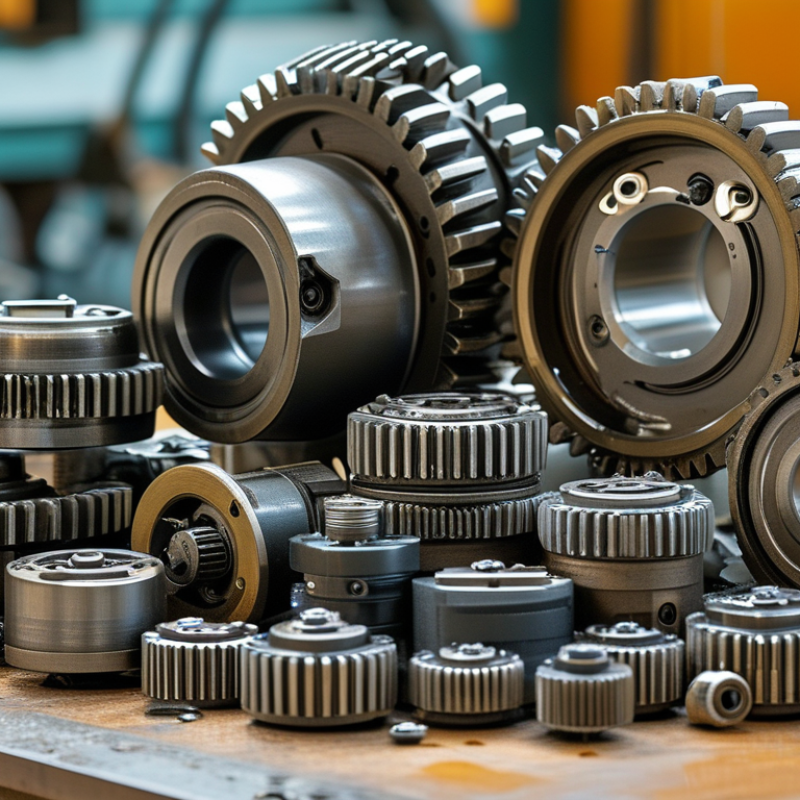
When selecting gear rack and pinion systems for your projects, it’s essential to grasp the basics. Gear racks convert rotational movement into linear motion. They’re often used in automated systems, robotics, and CNC machinery. A recent industry report highlighted that nearly 30% of manufacturing processes leverage these systems for precision and efficiency.
Understanding materials is crucial. Common materials for gear racks include steel, aluminum, and nylon. Steel offers strength but may be heavier. Aluminum provides a lighter option, while nylon is quieter and corrosion-resistant. Each material has its advantages and drawbacks. Choosing a material impacts durability and overall performance. Proper selection can lead to a 15% increase in efficiency, according to a study by the Mechanical Engineering Society.
Don’t ignore the importance of installation accuracy. Misalignment can result in increased wear and tear. This issue often leads to equipment failure. Regular maintenance checks can mitigate risks. Many users overlook this, but it's essential to ensure smooth operation. Balancing cost with quality is key. Focus on understanding your specific needs to make informed decisions.
Key Factors Influencing Gear Rack and Pinion Performance Metrics
When selecting gear racks and pinions, understanding performance metrics is vital. Several factors influence their efficiency. The material choice is crucial. Steel offers strength, while plastic reduces noise but may wear faster. Selecting the right material affects durability and maintenance costs.
Precision is another key factor. Manufacturers offer varying tolerances, which impact gear alignment. Poor alignment can lead to premature wear or failure. Consider your application’s requirements. For high-speed operations, tighter tolerances are necessary. For slower, less demanding tasks, looser tolerances might suffice.
Load capacity is also essential. Analyze the forces involved in your project. If overloading occurs, it can cause significant damage. Keep safety factors in mind when calculating loads. Lastly, installation ease influences performance. Complex setups might lead to misalignment. Simplifying installation can enhance reliability. Reflect on these aspects to make informed choices.
Top Tips for Choosing Gear Rack and Pinion for Your Projects
| Factor | Description | Importance Level |
| Material | The type of material affects durability and performance. | High |
| Tooth Profile | Different profiles impact load capacity and smoothness. | Medium |
| Gear Ratio | Determines speed and torque for driven mechanisms. | High |
| Manufacturing Precision | Precision affects performance and lifespan of the components. | High |
| Load Capacity | Ensure the rack and pinion can handle the expected load. | High |
| Environment | Consider the operating environment for corrosion resistance. | Medium |
Material Selection: Impact on Durability and Load Capacity
Material selection for gear racks and pinions is crucial. It significantly impacts durability and load capacity. For instance, using steel increases strength but adds weight. A report by the American Gear Manufacturers Association highlights that steel can produce a load capacity increase of up to 30%. This is an important factor for heavy-duty applications. Aluminum, while lighter, often provides lower durability.
The choice of material also affects wear resistance. Engineers report that composite materials can reduce friction significantly. This can extend the life of the gear systems by over 25%. An interesting point to note is that sometimes composite options may not hold up under high loads. This can lead to unexpected failures, so testing is essential.
In practice, it's vital to assess the specific needs of your project. A gear rack that works well in one application might fail in another due to varying conditions. Always factor in environmental conditions. Moisture and temperature swings can deteriorate certain materials faster than expected. Evaluating these risks is part of making an informed decision.
Precision and Tolerances in Gear Rack and Pinion Design Standards
When selecting gear racks and pinions, understanding precision and tolerances is crucial. These components are essential for accurate motion transfer in mechanical systems. In the design standards, gears must fit together seamlessly to ensure functionality. Small deviations in measurements can lead to significant performance issues. It's vital to reference industry guidelines for specifications.
Tip: Always check the tolerance levels outlined in project requirements. This reduces the chances of misalignment and wear. Choosing materials can also affect precision. High-quality materials often provide better stability and longevity.
Consider the environmental factors. Changes in temperature and humidity can impact gear performance. Reflect on what conditions your project will face. Assessing these aspects can lead to better material choices and design strategies. Remember, aiming for perfection can lead to oversights. Embrace iterative testing and refinement to improve your designs.
Top Tips for Choosing Gear Rack and Pinion for Your Projects
This chart illustrates the importance of precision and tolerances in gear rack and pinion design standards. The data reflects various factors that impact the choice of gear rack and pinion systems in engineering projects.
Cost Analysis: Balancing Quality and Budget in Gear Selection
When selecting gear racks and pinions, cost is always a consideration. A low price may attract attention, but it can lead to long-term issues. For example, cheaper materials might reduce durability. This can increase maintenance costs over time, leading to budget overruns.
Quality plays a critical role in gear selection. Investing in higher-quality gear ensures smoother operation and better performance. It’s essential to evaluate how the gears will be used. Are they part of a high-load application? If so, cutting corners on quality can result in equipment failure. Consider life cycle costs, including replacement, repairs, and operational efficiency.
Ultimately, balancing quality and budget requires careful analysis. It’s tempting to choose the least expensive option. However, this decision should reflect the project’s demands and longevity requirements. Sometimes, spending a bit more upfront can save significant costs later. Make choices based on informed evaluations, rather than initial price tags. This approach can lead to more reliable outcomes.