Why Choose Cobot Robots for Your Business Needs?
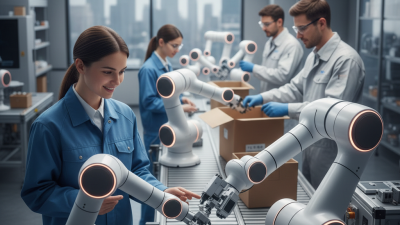
In today’s fast-paced manufacturing and service environments, the adoption of cobot robots has gained significant traction. According to a recent report by the International Federation of Robotics, the global market for collaborative robots is expected to reach $12 billion by 2025. This surge is driven by their ability to work alongside human operators, enhancing productivity without the need for extensive safety measures. Cobot robots are seen as pivotal in driving down operational costs and improving efficiency across various sectors.
Furthermore, a study by ABI Research indicates that cobot robots can reduce labor costs by up to 30%. This is particularly relevant in industries where precision and consistency are paramount. Companies are increasingly realizing that integrating cobots can lead to greater flexibility in workflows and an improved capability to meet dynamic market demands. However, it's essential to reflect on the challenges of cobot integration, including initial investment and workforce training. Striking the right balance between human labor and automation will be necessary to fully leverage the advantages that cobot robots offer.
Benefits of Using Cobot Robots in Modern Businesses
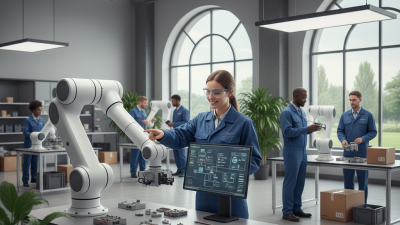
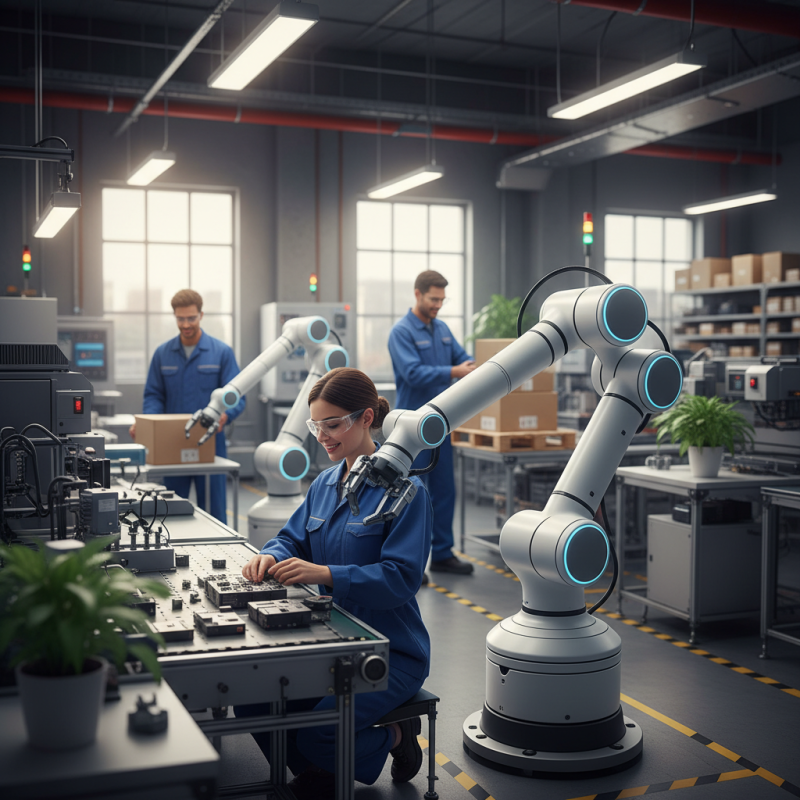
Cobot robots are transforming modern businesses in several compelling ways. Their primary benefit lies in their collaborative nature. Unlike traditional industrial robots, cobots work alongside humans. They are designed to assist rather than replace. This collaboration enhances productivity. Employees can focus on more complex tasks while cobots handle repetitive duties.
Additionally, cobots are versatile. They can be easily programmed for different tasks. This adaptability makes them ideal for small to medium-sized enterprises. Businesses can scale operations without a massive investment. Moreover, safety features are built-in. Cobots use sensors to detect human presence, minimizing the risk of accidents. This encourages a safer working environment.
However, integrating cobots isn't without challenges. Companies must train staff to work alongside them. Transitioning can be uncomfortable and requires time. Employees may feel insecure about their jobs. Open discussions can help ease these concerns. Balancing human skills with cobot capabilities is key. Organizations that thoughtfully integrate cobots will likely see substantial improvements.
Benefits of Using Cobot Robots in Modern Businesses
Understanding the Differences Between Cobot Robots and Traditional Robots
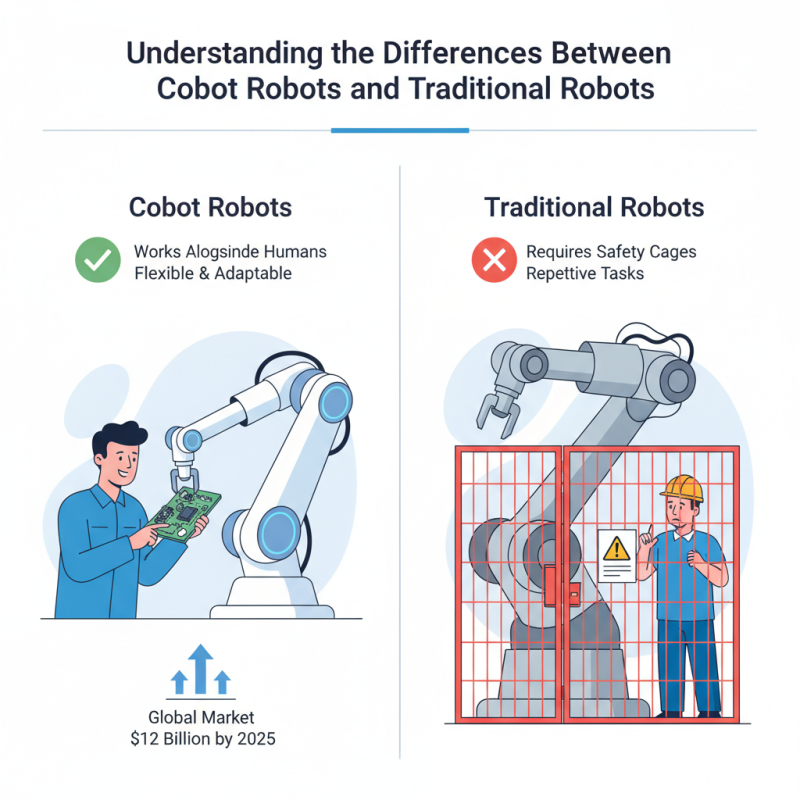
Collaborative robots, or cobots, significantly differ from traditional robots in several key ways. Traditional robots often require safety cages and specialized training to operate. They are designed for specific, repetitive tasks and lack the flexibility to adapt. In contrast, cobots work alongside humans, enhancing productivity without compromising safety. According to a report from the International Federation of Robotics, the global cobot market is expected to reach $12 billion by 2025, showing a promising trend towards collaborative technology.
The functionality of cobots adds value to businesses, particularly in small to medium-sized enterprises. They can easily be reprogrammed for various applications, unlike traditional robots that are mostly task-specific. According to a study by McKinsey, businesses leveraging cobots can improve operational efficiency by 30% while reducing labor costs by 20%. These numbers highlight the potential cobots have for driving innovation and reducing overhead in various sectors.
Despite these advantages, cobots are not without challenges. The integration process can be complex and may require adjustments to workflows. Additionally, some workers may feel threatened by automation. Addressing these concerns is crucial for businesses to fully benefit from cobots. Investing in training and open communication can help mitigate fears and foster a collaborative environment. This ongoing dialogue is essential for creating a harmonious workspace where technology and human effort coexist.
Key Industries That Can Benefit from Cobot Integration
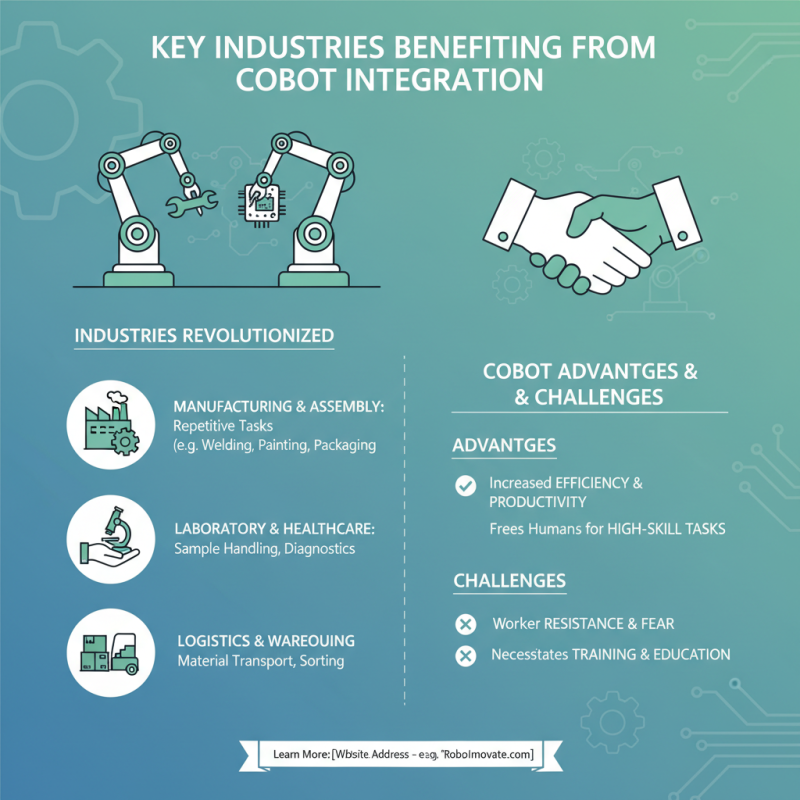
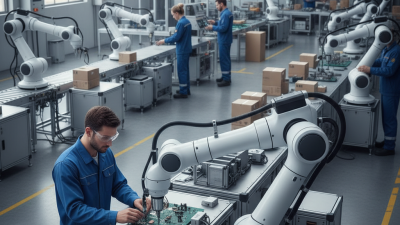
Cobot robots, or collaborative robots, are revolutionizing various industries by enhancing efficiency and productivity. The manufacturing sector is notably one of the key beneficiaries. In factories, cobots can work alongside humans, handling repetitive tasks like welding or assembly. This collaboration frees human workers to focus on tasks requiring higher skill levels. However, the transition can face challenges. Workers may feel threatened by automation, necessitating training and education.
Another industry seeing substantial benefits is logistics. Cobots assist in warehouse operations by transporting goods and managing inventory. They can navigate complex environments, yet they require precise programming to avoid accidents. Adjusting to their presence demands a cultural shift within logistics teams. Employees need support to embrace these technologies, ensuring a smoother integration.
Additionally, the healthcare field has started integrating cobots for tasks like medication dispensing and sterilization. This technology helps reduce human error and increase efficiency. Still, it raises questions about reliability and trust in robotic systems. Healthcare professionals must validate that cobots can perform tasks without compromising patient care. The fusion of robots in critical sectors highlights the need for thoughtful implementation and ongoing assessments.
Factors to Consider When Implementing Cobot Robots in Operations
When considering the implementation of cobot robots, several critical factors come into play. One significant aspect is the integration complexity within existing operations. According to a recent report from the International Federation of Robotics (IFR), 60% of businesses struggle with integrating new robotic systems. Companies may face compatibility issues or require extensive training for their workforce, which can impede productivity.
The cost of implementation also deserves attention. A study by McKinsey indicates that organizations report an average return on investment of 30% after adopting collaborative robots, yet initial costs can be daunting. Small and medium enterprises often hesitate due to these expenses. They need to weigh potential gains against financial risks carefully.
Lastly, the safety concerns surrounding cobot deployment cannot be overlooked. While these robots are designed to work alongside humans, improper usage can lead to accidents. The American National Standards Institute suggests that robust safety protocols are essential, yet 40% of companies neglect this vital aspect during implementation. Companies need to ensure comprehensive training and safety measures to mitigate these risks effectively.
Why Choose Cobot Robots for Your Business Needs? - Factors to Consider When Implementing Cobot Robots in Operations
| Factor |
Description |
Importance Level (1-5) |
Implementation Considerations |
| Cost |
Initial investment versus long-term savings. |
5 |
Evaluate ROI and total cost of ownership. |
| Ease of Integration |
How smoothly cobots can fit into existing systems. |
4 |
Assess compatibility with current processes. |
| Safety |
Risk assessment and protection for human workers. |
5 |
Implement safety protocols and training. |
| Scalability |
Ability to increase capacity as needed. |
4 |
Plan for future growth and additional cobots. |
| Flexibility |
Adaptation to various tasks and environments. |
4 |
Evaluate task versatility before selection. |
| User-Friendly Interface |
Ease of operation and control by staff. |
3 |
Provide adequate training and resources. |
Future Trends in Cobot Technology and Business Applications
Cobot technology is rapidly evolving, increasing its significance in various industries. According to a recent report by ResearchAndMarkets, the collaborative robot market is expected to reach $12.3 billion by 2027, reflecting a compound annual growth rate (CAGR) of 36.4%. As businesses seek efficiency, cobots offer a unique blend of versatility and safety, making them suitable for diverse applications.
Future trends indicate a shift toward more advanced technologies. Cobots equipped with artificial intelligence can learn from their environments, improving their operational capabilities. A McKinsey survey suggests that 70% of companies plan to accelerate automation efforts, highlighting the importance of adopting cobots for competitive advantage. However, businesses must also recognize the challenges in integration and training personnel.
Human-robot collaboration will become more nuanced. Cobots may assist rather than replace human workers, leading to increased job satisfaction and productivity. Yet, the successful implementation of these robots requires careful consideration of workflows and employee roles. Organizations must be prepared to invest in training and adapt their environments to benefit fully from this technology. Embracing these trends can be complex, but it offers the potential for significant improvement.