How to Choose the Best Robotics Engineering Courses for Your Career
Choosing the right robotics engineering courses is crucial for anyone looking to build a successful career in this exciting field. As Dr. Alice Thompson, a renowned expert in robotics education, once stated, “The right course can be a game changer in your understanding of robotics.” This insight emphasizes the importance of selecting programs that align with your career goals.
Navigating the plethora of available courses can be overwhelming. Many programs may promise extensive knowledge but fail to deliver practical skills. It’s essential to focus on courses that provide hands-on experience and real-world applications. Seek programs that include project-based learning and internships. Not all courses will meet your expectations, so it's vital to research thoroughly and reflect on what skills you truly need.
Additionally, evaluate whether the faculty have relevant industry experience. Strong mentorship can significantly enhance your learning. Robotics engineering courses should not only teach theory but also inspire innovation and problem-solving. Remember, the journey in robotics is challenging but rewarding. Select wisely, and you may shape the future of technology.

Understanding the Basics of Robotics Engineering
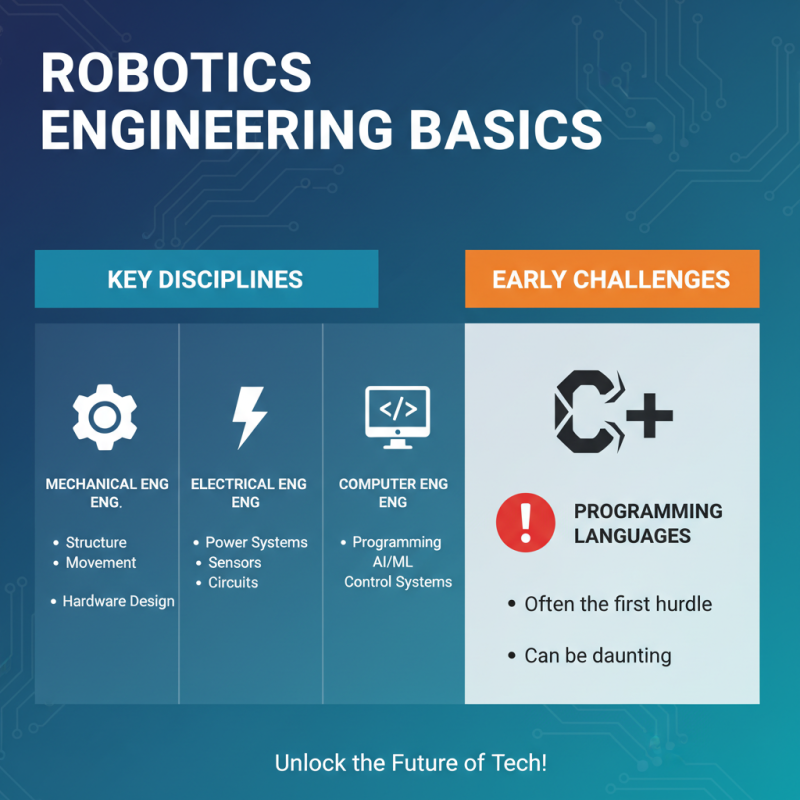
Robotics engineering combines various disciplines. It includes mechanical, electrical, and computer engineering. Understanding the basics is crucial for success. Many aspiring engineers face challenges early on. For instance, grasping programming languages can be daunting. It is often the first hurdle that discourages many.
Tips: Start with foundational courses in programming. Python is a widely recommended choice. This language is user-friendly and intuitive. Once comfortable, tackle more complex languages, like C++. Don’t rush through basics. Mastery here will support your future studies.
Hands-on experience matters significantly. Building simple projects introduces practical concepts. It also helps solidify theoretical knowledge. Experimenting with kits can provide essential insights. However, not every project will succeed. Embrace failures; they teach essential lessons. Reflect on what went wrong and try again. This iterative approach fosters a deeper understanding of robotics engineering principles.
Identifying Your Career Goals in Robotics
Identifying your career goals in robotics is crucial. Consider what aspect of robotics excites you the most. Is it automation, artificial intelligence, or maybe mechanics? Each branch offers different paths. Focusing on your passion can guide you in choosing the right courses.
Think about the skills you need. Are you drawn to programming or design? Programming might require courses in software development. Design could lead you toward classes in CAD and prototyping. Don't forget about soft skills. Collaboration and communication are often overlooked, yet they are essential in team projects.
Reflect on your strengths and weaknesses. Are there areas in robotics that challenge you? Embrace those challenges. Seek courses that push you beyond your comfort zone. Ultimately, your vision for the future will shape your educational journey. Take time to evaluate what you truly want.
How to Choose the Best Robotics Engineering Courses for Your Career
| Course Name |
Duration |
Level |
Format |
Focus Area |
Cost |
| Introduction to Robotics |
6 weeks |
Beginner |
Online |
General Robotics |
$199 |
| Robotics Programming with Python |
8 weeks |
Intermediate |
Online |
Software Development |
$299 |
| Embedded Robotics Systems |
10 weeks |
Advanced |
In-person |
Hardware Development |
$499 |
| Machine Learning for Robotics |
12 weeks |
Advanced |
Online |
Artificial Intelligence |
$399 |
| Robotics Capstone Project |
8 weeks |
Advanced |
In-person |
Project Development |
$250 |
Evaluating Course Curricula and Specializations
Choosing the right robotics engineering course is crucial for your career. Evaluating course curricula and specializations can make a big difference. These courses must be updated to reflect the latest technologies. According to a report by MarketsandMarkets, the robotics market is projected to grow by over 26% annually until 2026. This growing field emphasizes the need for relevant education.
When reviewing curricula, focus on hands-on learning. Engaging in projects helps solidify theoretical knowledge. A program including AI, machine learning, and automation makes you more competitive. However, not all institutions offer equal quality. It’s essential to research faculty credentials and industry connections.
Tip: Look for programs that include internship opportunities. Real-world experience is invaluable.
Some specialized courses may seem enticing but lack depth. Avoid the temptation to enroll in flashy programs without checking their outcomes. Graduates should have solid job placement rates and relevant skills. Review alumni success stories to get a more accurate picture of the program's value.
Tip: Consider online reviews and testimonials from past students. They often highlight strengths and weaknesses you may not see initially.
Researching the Reputation of Institutions and Instructors
When selecting a robotics engineering course, researching the reputation of institutions and instructors is vital. A strong reputation often indicates quality education and resources. Look for institutions known for their engineering programs. Check their rankings, but also examine alumni success. They can provide insights into the effectiveness of the program.
Tips: Focus on faculty credentials. Experienced instructors can enhance your learning experience. Seek out those with industry experience and research contributions. Reading reviews from current and former students can provide a real sense of the teaching style. Sometimes, a highly ranked institution may not be right for everyone's needs.
Investigating partnerships with industry can be as important too. Some institutions collaborate with tech companies. These partnerships may offer internships or hands-on projects. Hands-on experience is crucial in robotics. However, be aware that not all programs deliver on their promises. Always reach out to alumni to confirm their experiences.
Comparative Analysis of Robotics Engineering Courses
Considering Online vs. In-Person Learning Options
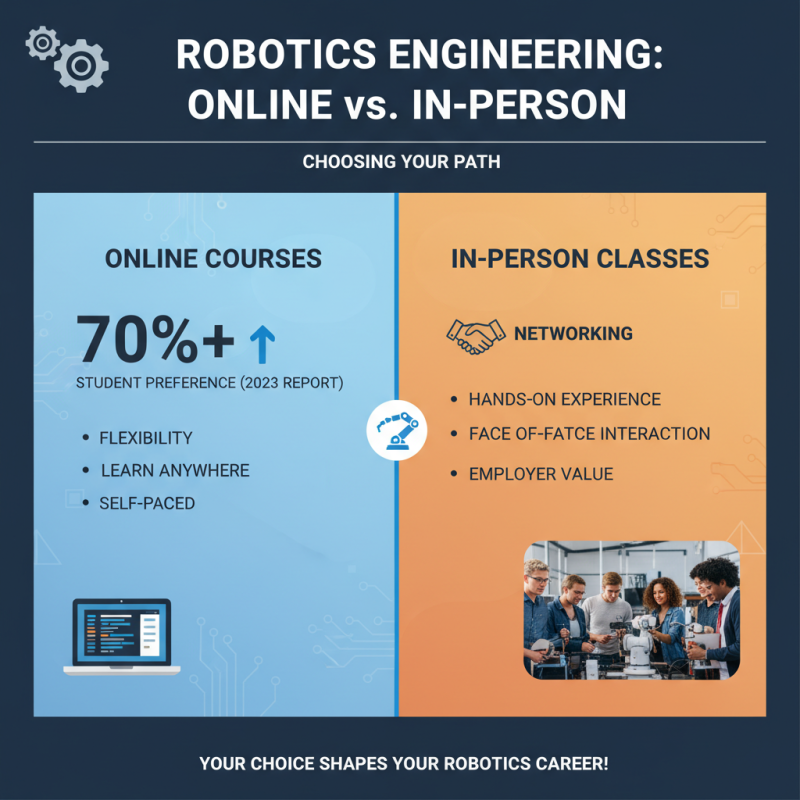
Choosing between online and in-person robotics engineering courses can significantly impact your career path. Recent industry reports show that online learning has gained immense popularity, with over 70% of students preferring this method for its flexibility. However, in-person classes offer networking opportunities that online courses often lack. Many employers value face-to-face interaction and hands-on experience.
When deciding, think about your learning style. If you thrive in a collaborative environment, in-person classes may be beneficial. They allow for immediate feedback and direct support from instructors. Conversely, if you lead a busy life, online courses can fit your schedule more easily.
Tips: Research specific programs. Look for ones that offer practical projects. Engage in forums or communities related to your interests. Consider how each option aligns with your long-term goals. Reflect on your preferences, as they can shape your learning journey. In the end, both modalities can lead to valuable skills if approached thoughtfully.