Why Choose a Stacker Crane System for Your Warehouse Needs?
In the ever-evolving world of warehousing, efficiency is key. A Stacker Crane System stands out as a powerful solution for maximizing space and enhancing operations. This system automates the storage and retrieval processes, leading to significant time savings. Warehouses face immense pressure to keep up with growing demands. A traditional setup may no longer suffice.
The Stacker Crane System offers a reliable alternative. It optimizes vertical storage, allowing facilities to utilize height effectively. Such systems can reduce labor costs and minimize human error. Furthermore, they enhance safety by lowering the risk of accidents. However, investing in this technology requires careful consideration. Not every warehouse will benefit equally from a Stacker Crane System.
Reflecting on specific needs is crucial. Each warehouse has unique challenges and requirements that must be addressed. Adopting this innovative solution might be transformative for some but not for others. Balancing automation with practical applications is essential for success. In conclusion, exploring the potential of a Stacker Crane System can lead to improved efficiency, safety, and ultimately, profitability in warehouse operations.
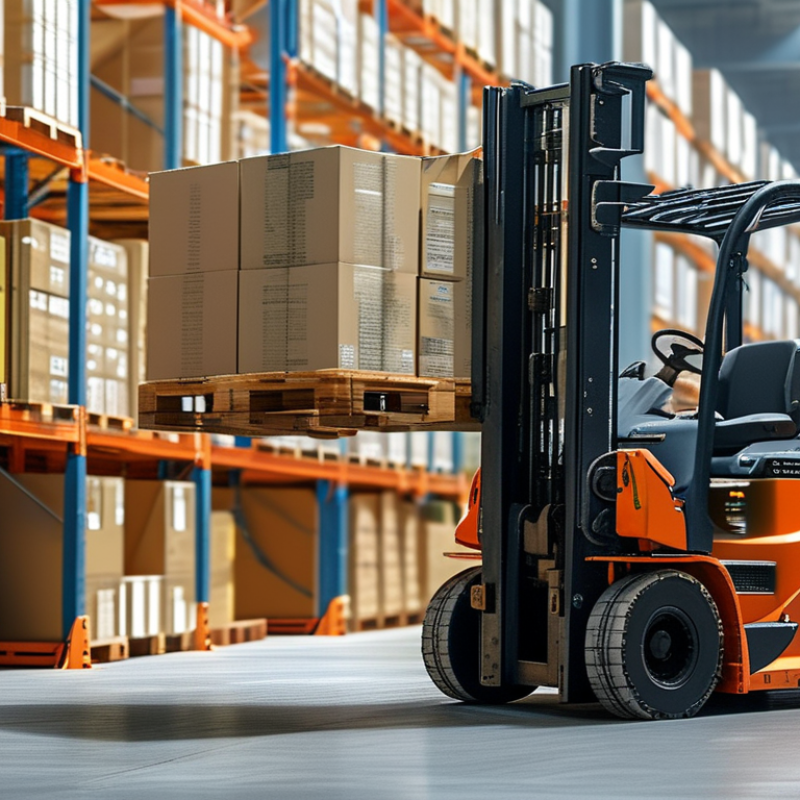
Advantages of Stacker Crane Systems in Warehouse Operations
Stacker crane systems are becoming essential in modern warehouse operations. Their ability to automate storage and retrieval processes can significantly enhance efficiency. These systems can handle high-density storage with minimal space. This not only maximizes storage capabilities but also reduces the time spent locating and moving items.
One notable advantage is the reduction of human error. Automated systems perform tasks consistently, which leads to fewer mishaps. For operations dealing with a high volume of SKUs, this consistency is crucial. Moreover, stacker cranes can operate in narrow aisles. This design feature allows for better use of warehouse space, leading to cost savings.
Another aspect to consider is maintenance. While stacker cranes require regular upkeep, their downtime is often shorter compared to traditional manual systems. However, this does mean investing in training for staff to manage these systems effectively. The implementation phase might reveal challenges, such as adapting to new workflows. Understanding these nuances can enhance overall operational reliability.
Why Choose a Stacker Crane System for Your Warehouse Needs?
| Advantage | Description | Impact on Operations |
| Increased Efficiency | Stacker cranes automate the storage and retrieval process, reducing the time taken for these tasks. | Allows for faster order processing and inventory management. |
| Space Optimization | Utilizes vertical space effectively, enabling higher storage density. | Maximizes available warehouse space, leading to cost savings on storage. |
| Improved Safety | Reduces the need for manual handling, minimizing the risk of accidents. | Increases workplace safety and reduces liability for injuries. |
| Flexibility | Can be adapted for different sizes and types of products as well as varying warehouse layouts. | Enhances ability to scale operations and adapt to changing business needs. |
| Lower Operational Costs | Automation of processes leads to reduced labor costs and fewer errors. | Improves overall profitability by streamlining operations. |
Key Types of Stacker Cranes and Their Applications in Industry
Stacker cranes have revolutionized warehouse operations. They maximize vertical space, which can increase storage by up to 40%. This efficiency is crucial for businesses looking to optimize their logistics. Major industries benefit from stacker cranes, especially those with high-volume inventory needs.
There are various types of stacker cranes. The unit-load stacker crane is ideal for large goods. It can handle loads weighing over 1,500 kg and operates in aisles as narrow as 1.6 meters. Another type, the mini-load stacker crane, is designed for smaller items. These can store items weighing as little as 10 kg, making them suitable for e-commerce and retail sectors.
Recent reports show that stacker cranes reduce labor costs by at least 20%. However, not every operation needs this technology. Some businesses may find traditional shelving or simple forklifts more suitable. An assessment of needs and space can prevent unnecessary investments.
Efficiency Gains: Stacker Crane System Impact on Retrieval Times
In modern warehouses, efficiency is key. A stacker crane system can dramatically reduce retrieval times. These automated systems increase the speed at which goods are accessed. This improvement directly impacts overall warehouse productivity. Operators can cycle through items faster, retrieving products with significantly less manual effort. Consequently, labor costs can be reduced while throughput increases.
Tips for improving efficiency: Consider your warehouse layout when implementing a stacker crane. Optimizing the arrangement can lead to even faster retrieval times. Additionally, training staff on the system’s operation can prevent errors. It’s vital to routinely maintain the stacker crane to ensure optimal performance. Neglecting maintenance can lead to unexpected delays and reduce overall efficiency.
While stacker crane systems offer numerous benefits, they require careful planning. It’s important to assess existing inventory flow and storage needs. Not every warehouse will benefit equally from such a system. A thorough analysis can reveal if the investment is justified. Being proactive in understanding limitations will help prevent potential pitfalls in automation.
Cost-Benefit Analysis: Stacker Cranes vs. Traditional Storage Systems
Stacker cranes offer a modern solution for warehouse storage needs, but how do they compare to traditional systems? Understanding this cost-benefit analysis is crucial for decision-makers. Traditional storage systems often rely on manual labor and fixed shelves. They may seem cheaper at first, but hidden costs can add up quickly. Labor hours increase, leading to inefficiencies in the long run.
Stacker cranes, on the other hand, automate the storage and retrieval process. This can reduce labor costs significantly. They maximize vertical space, allowing for higher storage density. While the initial investment in stacker cranes might be higher, their return on investment often justifies the cost. However, they require maintenance and training. These factors can be a barrier for some businesses.
It's essential to consider the specific needs of your operation. Not all businesses will benefit equally from stacker cranes. For smaller warehouses, a conventional setup might still be more practical. Reflecting on your operational requirements will help you make an informed choice. Understanding both systems helps reveal their strengths and weaknesses.
Cost-Benefit Analysis: Stacker Cranes vs. Traditional Storage Systems
Future Trends: Innovations in Stacker Crane Technology for Warehouses
Innovations in stacker crane technology are shaping the future of warehouse operations. Advanced automation and artificial intelligence are enhancing efficiency. These technologies help reduce human error and increase operational speed. Modern stacker cranes can navigate complex warehouse layouts with ease. They are equipped with sensors that prevent collisions, ensuring safety.
Another trend is the integration of IoT (Internet of Things) features. This allows real-time monitoring and data analysis of warehouse conditions. Managers can make quick decisions based on accurate data. Moreover, energy-efficient designs are gaining traction. These innovations contribute to lower operational costs and environmental sustainability. However, the transition to these advanced systems can pose challenges for some operations.
Many facilities may struggle with the initial implementation and training. Workers might resist the change, fearing job loss or skill inadequacy. Supporting staff through this transition is crucial. Regular training sessions can mitigate concerns and enhance adoption. As technology continues to evolve, warehouses must adapt and think critically about their operational strategies. Focusing on staff support while embracing new systems can lead to a more efficient future.