
01302 246818

What Is Catwalk Steel Grating and Where Is It Used?

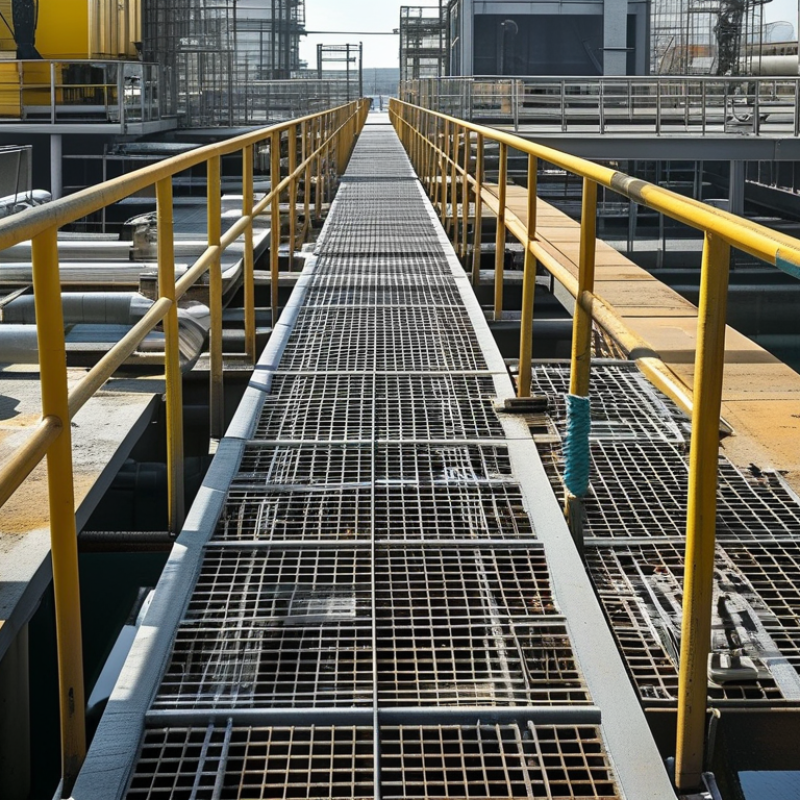
Catwalk Steel Grating is an open, load-bearing flooring system made from steel bearing bars and cross bars. It supports people, tools, and maintenance equipment while allowing light, air, water, and debris to pass through. In a processing plant, it may form a narrow platform above pipes. At a wastewater facility, it can cover channels without creating a solid, heavy surface.

Not merely a walkway. It is part of a larger access system.

Its value becomes clearer when safety and maintenance requirements are considered together. OSHA’s Walking-Working Surfaces standard, 29 CFR 1910 Subpart D, emphasizes safe access, structural capacity, and protection from slipping or falling hazards. NAAMM’s Metal Bar Grating Manual, MBG 531-19, also provides industry guidance on grating design, load selection, and fabrication details. These references show why bearing-bar depth, span, surface finish, and support spacing require careful engineering rather than guesswork.

Steel remains a widely used structural material. The World Steel Association reported approximately 1.89 billion tonnes of crude steel production worldwide in 2023, reflecting the material’s continuing industrial importance. Catwalk Steel Grating appears in factories, power stations, bridges, marine terminals, warehouses, and commercial service areas. Galvanized finishes often help resist outdoor corrosion, while serrated surfaces can improve traction in wet locations.

Still, no grating suits every site. Poorly selected panels may flex, corrode, or create unsafe gaps. That distinction is easy to miss. This article explains what Catwalk Steel Grating is, how engineers specify it, and where its practical advantages are most apparent.
What Is Catwalk Steel Grating and Where Is It Used?

Definition and Core Features of Catwalk Steel Grating

What Is Catwalk Steel Grating and Where Is It Used?

Definition and Core Features of Catwalk Steel Grating

Catwalk steel grating is a modular walking surface made from parallel bearing bars and cross bars. The bars form an open grid, allowing light, air, and water to pass through. Engineers use it for elevated walkways, maintenance platforms, stair treads, mezzanines, and industrial access routes. Common versions are welded, press-locked, or riveted. Steel provides structural strength, while galvanized or coated surfaces help resist corrosion.

The bearing bars carry most of the load. Their height, thickness, and spacing affect safety and stiffness. A serrated surface can improve traction around water, dust, or oil, but it may feel uncomfortable under thin footwear. Open spaces also reduce weight and improve drainage. However, they can create hazards for small tools, high heels, or people with mobility concerns. Site conditions matter more than appearance. A practical inspection checks deflection, loose connections, rust near welds, and support spacing. I have found that “standard” grating is not always suitable for every platform.

Tips: Confirm the required load before ordering. Measure the clear span carefully. Select mesh openings that protect feet and tools. For outdoor catwalks, review corrosion exposure and drainage. Never rely on surface texture alone; clean, secure installation remains essential. Small details matter.

How Catwalk Steel Grating Is Designed and Manufactured

Catwalk steel grating is designed as a lightweight walking surface for elevated platforms, stairs, and maintenance routes. Its open grid allows rain, dust, and spilled liquids to pass through. This reduces pooling and improves visibility below the walkway.

Engineers begin by checking the span, live load, support spacing, and expected foot traffic. Bearing bars carry the main load, while cross bars hold them in position. Bar depth, thickness, and spacing affect strength, weight, and comfort underfoot. A small spacing error can create an uncomfortable walking surface. It can also reduce drainage performance.

Manufacturing starts with cutting steel bars to accurate lengths. Cross bars are then welded, pressed, or mechanically locked into the bearing bars. Welded joints are common where high rigidity and consistent alignment matter. Fabricators add end plates, nosing, clips, or handrail fittings when the layout requires them. The finished panels may receive hot-dip galvanizing, paint, or another corrosion-resistant treatment. Surface preparation is critical. Poor cleaning can weaken the protective coating.

Quality checks should include panel dimensions, weld continuity, bar alignment, coating thickness, and load-rated details. Designers also review openings around pipes, ladders, and access doors. A drawing can look exact. Site conditions are not. Field measurements sometimes reveal uneven supports or unexpected equipment, requiring careful panel adjustments. Serrated surfaces can improve grip, especially where oil or moisture is present, but they may feel harsher under work boots. Clear maintenance records help verify each panel’s material, finish, and intended load.

What Is Catwalk Steel Grating and Where Is It Used?

Catwalk steel grating is a load-bearing flooring system made from parallel bearing bars connected by cross bars. It is commonly used for industrial walkways, maintenance platforms, stairs, drainage covers, and access areas because its open surface provides ventilation, light transmission, and rapid water drainage.

Approximate Open Area by Bearing-Bar Pitch

The chart uses a 5 mm wide bearing bar and calculates open area from the bearing-bar pitch using the formula: open area = (pitch − bar width) ÷ pitch × 100. Cross bars are excluded from this simplified comparison. A wider pitch generally increases drainage and airflow, while the final spacing, bar depth, material, and support span must be selected according to the required load and safety conditions.

Key Types and Surface Options for Catwalk Steel Grating

Catwalk steel grating provides a strong walking surface above equipment, tanks, and service areas. Its open design lets rain, dust, and spilled water pass through. This reduces pooling and improves visibility below the platform.

Welded grating uses bearing bars joined to crossbars by welds. It suits fixed walkways and industrial platforms with regular foot traffic. Press-locked grating has tightly fitted crossbars and a cleaner appearance. It works well where alignment and visual uniformity matter. Riveted grating adds extra resistance against vibration and repeated movement. Engineers should check span, bar size, load rating, and support spacing before selection. A small calculation error can create noticeable flexing.

Surface choice changes safety and maintenance needs. Plain bars offer a smooth walking line and are easier to clean. Serrated bars provide better grip in oily or wet areas. The teeth should face upward and remain sharp enough for traction. Galvanized steel resists outdoor corrosion and often suits exposed catwalks. Painted surfaces offer color control, but damaged coating needs prompt repair. Stainless steel performs well in corrosive environments, although its cost is higher. I have seen designers choose serration automatically, then discover it complicates cleaning near fine machinery. That choice was not entirely wrong, but the location needed more thought. Grating clips, welds, and drainage paths also deserve inspection during installation and routine maintenance.

Common Industrial and Architectural Applications

Catwalk steel grating is a modular walking surface made from load-bearing steel bars and crossbars. Open spaces between the bars reduce weight and allow water, dust, and light to pass through. Serrated surfaces can improve traction around oil, rain, or process residue.

The World Steel Association’s World Steel in Figures 2024 reports about 1.89 billion tonnes of crude steel production in 2023. This scale reflects steel’s continuing importance in industrial infrastructure. In factories, grating forms access walkways around tanks, conveyors, boilers, and maintenance platforms. It also supports stair treads, machine enclosures, drainage covers, and elevated service routes. Engineers usually check span, load, deflection, corrosion exposure, and connection details before installation. A practical mistake is treating “standard” panels as suitable for every load.

Architectural projects use catwalk grating differently. Designers place it on rooftop plant areas, façade maintenance paths, bridges, mezzanines, and exterior stairs. The transparent pattern can preserve daylight and visual openness better than solid plate. It may also reduce structural dead load, which matters during renovations. ISO 14122-2 provides internationally recognized guidance for permanent access platforms and walkways used with machinery. Local building and workplace requirements still need review.

Industrial durability depends on the environment. Hot-dip galvanizing is common for outdoor or humid locations, while specialized coatings may suit chemical exposure. The U.S. Bureau of Labor Statistics continues to identify falls as a significant workplace hazard, making guardrails, toe boards, safe gaps, and slip resistance essential. The grating itself is not a complete safety system. Even experienced teams can overlook drainage, cleaning access, or future equipment replacement.

Careful.

Safety, Installation, and Maintenance Considerations

What Is Catwalk Steel Grating and Where Is It Used?

Catwalk steel grating forms a strong, open walking surface for elevated platforms, stairs, and service walkways. It is common in factories, warehouses, water-treatment facilities, and energy sites. The open design lets light, air, and spilled liquids pass through. That can reduce puddles, but small tools may fall between the bars. Workers still need suitable footwear and fall-protection equipment where site conditions require it. A grating panel can look secure while its support frame remains weak.

Installation demands accurate measurements and careful support checks. Confirm the panel’s load rating, span, bearing length, and surface finish before lifting it into place. Supports should be level and properly aligned. Secure each panel with suitable clamps or fasteners, especially near access points and vibrating machinery. Cutting panels on site is sometimes necessary, but careless cuts can remove important bearing areas. It is better to review the layout again than force a poor fit.

Tips: Keep openings clear of mud, ice, cables, and loose packaging. Inspect welds, fasteners, bearing edges, and stair connections regularly. Look for rust, bent bars, unusual movement, or slippery deposits. Clean with methods that will not damage protective coatings. Maintenance records should include dates, locations, findings, and repairs. In practice, inspections are not always perfect. A quick visual check may miss corrosion beneath a support, so qualified personnel should examine questionable areas closely. Replace damaged sections before normal traffic continues.