What Is the Best Wax Flaking Conveyor for 2026?
Choosing the best Wax Flaking Conveyor for 2026 requires more than comparing belt speeds and purchase prices. Wax behaves differently as temperatures change. A conveyor that performs well at 20°C may struggle near a warmer packaging line.
“Reliable wax conveying begins with temperature control, not maximum speed,” says Dr. Elena Marquez, a process engineer specializing in solid wax handling. Her point is practical. Stable cooling, suitable belt materials, and controlled discharge often matter more than impressive rated capacity.
The right system should match the wax type, flake size, production rate, and available floor space. Stainless steel construction can simplify cleaning. A perforated belt may improve cooling. Enclosed sections can protect flakes from dust and reduce product exposure.
Small details matter.
Operators should examine belt tracking, scraper access, emergency stops, and replacement-part availability. A conveyor running at 12 meters per minute may sound efficient. However, excessive speed can damage fragile flakes or create uneven piles at the discharge point.
This guide compares the main Wax Flaking Conveyor designs expected to serve manufacturers in 2026. It considers throughput, cooling performance, hygiene, energy use, maintenance, and control flexibility. Real factory conditions remain messy. Wax buildup can appear where drawings show clearances. Sensors can also perform poorly in hot, dusty areas.
No conveyor is perfect. The best choice balances proven operation with reasonable room for improvement. Manufacturers should test representative wax samples before approving a final design.
Wax Flaking Conveyors: Purpose, Design, and Core Operating Principles
What Is the Best Wax Flaking Conveyor for 2026?
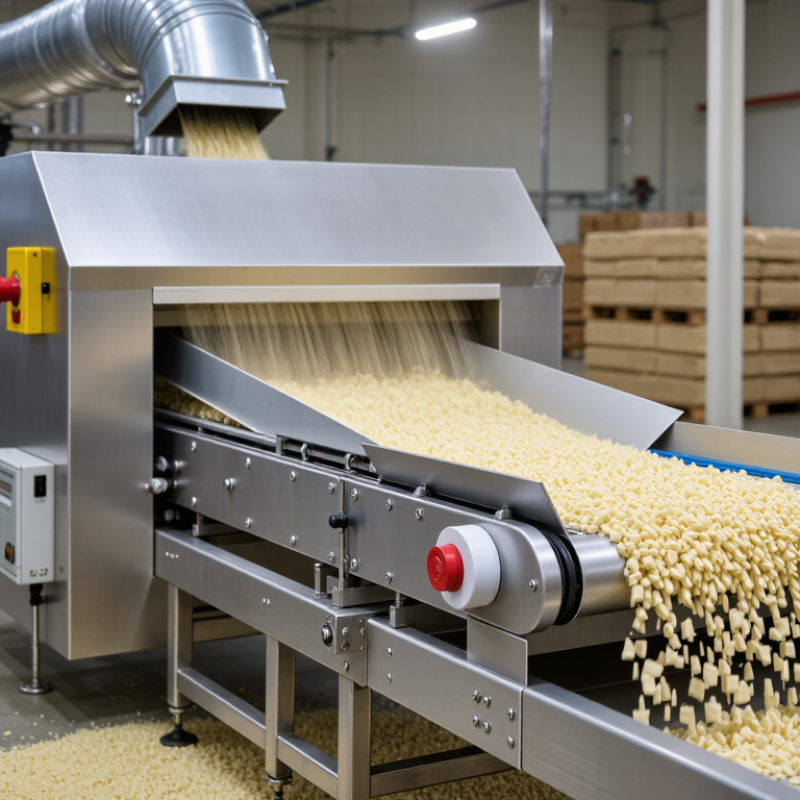
Wax flaking conveyors move cooled wax flakes from a forming unit to bags, bins, or downstream processing equipment. Their purpose is simple, but their design affects product quality, hygiene, and production stability. In a typical system, molten wax spreads across a cooled drum or belt. A scraper removes the solid layer as thin flakes. The conveyor then carries those flakes at a controlled speed.
Good design begins with steady cooling and gentle transfer. A variable-speed belt helps match flake production with packaging capacity. Smooth stainless steel surfaces reduce buildup around the frame and discharge point. Enclosed sections can limit dust and protect operators from moving parts. Easy access also matters. Cleaning should not require dismantling half the machine.
During practical equipment evaluations, uneven feeding often creates thick edges and broken flakes. A short transfer gap can reduce this problem. Temperature sensors should monitor cooling surfaces, while overload protection helps prevent belt damage. The best conveyor for 2026 is not automatically the fastest model. It should match wax type, flake thickness, throughput, room temperature, and cleaning requirements.
One point deserves more reflection. Faster conveying may appear efficient, yet it can increase piling and bridging at the outlet. Operators should test real wax batches before approving a final layout. Performance data from several production cycles is more reliable than a single successful trial.
Key Factors for Selecting the Best Wax Flaking Conveyor in 2026
What Is the Best Wax Flaking Conveyor for 2026?
Selecting the best wax flaking conveyor starts with wax behavior, not advertising claims. Paraffin wax may soften between 46°C and 68°C, depending on grade and additives. The conveyor should preserve flakes without melting edges or causing buildup. A cooled belt, controlled airflow, and adjustable speed can help. Wax behaves badly.
Grand View Research valued the global conveyor belt market at about USD 5.85 billion in 2023. Its report projects roughly 4.9% annual growth through 2030. This growth reflects wider automation demand, but market growth does not guarantee process suitability. I would inspect belt temperature, scraper design, belt tension, and cleaning access. A stainless-steel frame also supports hygienic maintenance and corrosion resistance. Small details matter.
Capacity calculations need real production data. Check kilograms per hour, flake thickness, discharge height, and peak loading. MHI’s 2024 Annual Industry Report reported that 73% of supply-chain professionals expected robotics and automation adoption within five years. That supports investment in sensors, variable-speed drives, and automatic fault alerts. Still, sensors cannot correct poor cooling. My first capacity estimate may be wrong if flakes arrive unevenly. Test the conveyor with actual wax, not only water or empty-belt trials. Leave space around drive components for inspection, guarding, and safe maintenance. A quieter conveyor is useful, but temperature stability deserves greater attention.
What Is the Best Wax Flaking Conveyor for 2026?
Key factors for selecting a wax flaking conveyor include product quality, throughput, temperature control, cleanability, operator safety, energy efficiency, maintenance access, and system integration. The chart presents an engineering-based weighting model for comparing conveyor options without using company or brand data.
Product quality and throughput receive the highest weighting because stable flake thickness, consistent cooling, and reliable production capacity directly affect wax handling performance. Hygienic design, safety, energy use, maintenance, and integration should also be evaluated before final selection.
Comparison of Conveyor Types for Different Wax Processing Requirements
What Is the Best Wax Flaking Conveyor for 2026?
Comparison of Conveyor Types for Different Wax Processing Requirements
The best wax flaking conveyor depends on product temperature, flake size, moisture, and required output. Belt conveyors suit gentle handling and longer transfer distances. Their wide surfaces reduce crushing, especially when flakes leave a cooling drum. Screw conveyors need less floor space. However, excessive speed may compact warm wax and create uneven flow. Vibratory conveyors offer controlled movement and can separate loose flakes during transfer.
For high-temperature wax, choose materials and seals that tolerate heat without collecting residue. Open designs improve inspection and cleaning. Enclosed systems help protect flakes from dust and humidity. A conveyor with adjustable speed is often more useful than one with maximum capacity. Operators can slow movement during startup, then increase it after the wax stabilizes. Small details matter, such as easy belt removal and access around discharge points.
Tips
Test the conveyor with real wax samples, not only dry trial material. Measure flake temperature at loading and discharge. Watch for sticking after several hours. Check noise, vibration, and buildup near bearings. A short test may still miss seasonal temperature changes. No conveyor is perfect. Review maintenance records after installation, because practical problems often appear later.
How to Evaluate Suppliers, Costs, and Long-Term Conveyor Value
What Is the Best Wax Flaking Conveyor for 2026?
Selecting a wax flaking conveyor starts with the product, not the catalogue. Measure flake temperature, bulk density, moisture, and target throughput during real production. Hot wax can soften belts, clog transfer points, and create uneven layers. A practical trial should record kilograms per hour, discharge temperature, cleaning time, and unplanned stops. Small details matter.
Supplier evaluation should include material certificates, belt specifications, guarding design, controls support, and spare-part availability. Ask for performance data from similar wax applications, not general food or chemical references. Grand View Research estimated the global conveyor systems market at about USD 7.96 billion in 2023, with continued growth through 2030. That expansion increases supplier choice, but it does not guarantee application expertise. Cheap equipment can become expensive when cooling airflow, scraper settings, or access panels are poorly designed.
Compare total cost over five to ten years. Include purchase price, installation, electricity, sanitation labor, replacement belts, bearings, and lost production. MarketsandMarkets has projected strong growth for conveyor systems through 2028, reflecting wider automation investment. However, payback models often assume perfect uptime. They should not. Request measured energy use, maintenance intervals, and a written response-time commitment. During factory visits, inspect wax residue around rollers and observe how quickly operators can remove the belt. A conveyor that looks efficient on paper may be frustrating at 3 a.m. Reliability is experienced on the difficult shift.