Top 10 Best Material Handling Robots to Enhance Your Warehouse Efficiency?
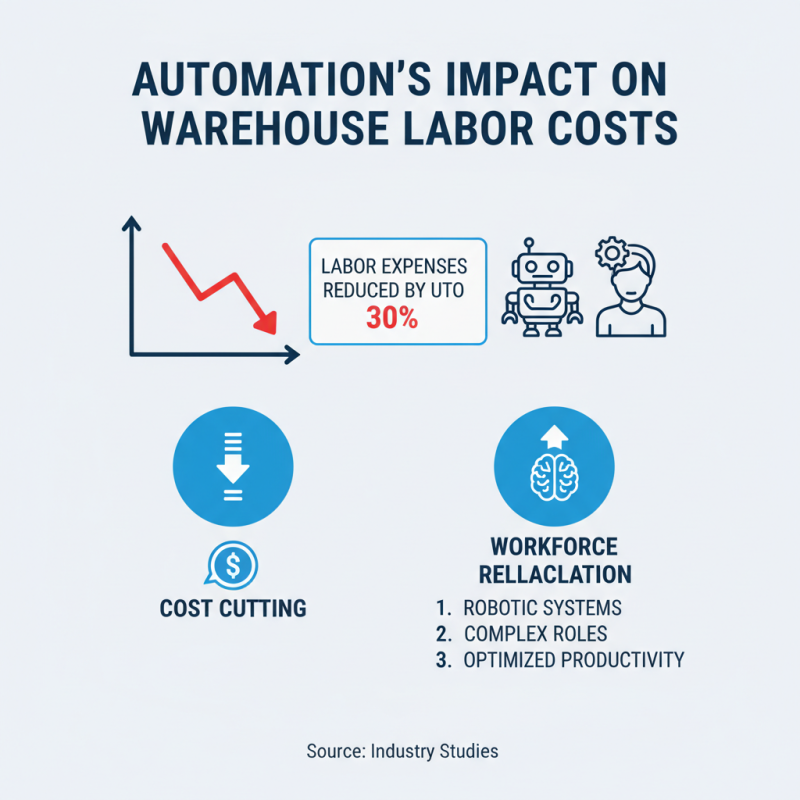
In today's fast-paced logistics landscape, the role of material handling robots is becoming increasingly vital. According to a recent report by Mordor Intelligence, the global material handling equipment market is projected to grow at a CAGR of 7.5% from 2021 to 2026. This growth highlights the rising demand for automation in warehouses. More businesses are utilizing material handling robots to streamline operations and reduce labor costs.
These robots effectively manage repetitive tasks, such as picking, packing, and palletizing. They enhance product flow and minimize human error. Companies that adopted these robots reported a significant reduction in operational costs, often between 20% to 40%. However, turning to automation also comes with challenges. Implementation costs and the need for skilled operators can pose obstacles. Not every warehouse is suited for immediate automation.
Despite these hurdles, the investment in material handling robots can lead to long-term efficiency. Industry leaders are continuously innovating, aiming to improve robot capabilities. As technology evolves, the ability of these robots to seamlessly integrate with existing systems will be crucial. Businesses must reflect on their unique needs and infrastructure before committing to these technologies.
Top 10 Material Handling Robots Revolutionizing Warehouse Operations
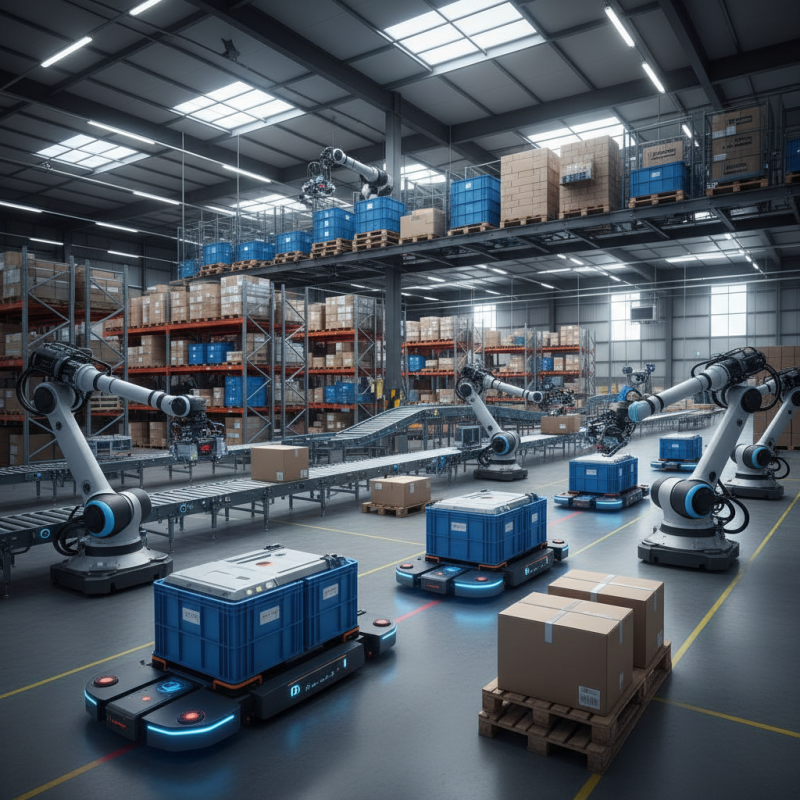
In today's fast-paced warehouse environments, automation is essential. Material handling robots are leading this transformation. These robots streamline processes and reduce human labor. Their efficiency boosts overall productivity.
These advanced machines perform repetitive tasks. They move goods swiftly, minimizing delays. While the technology is impressive, some issues arise. Programming can be complex, and maintenance can be a challenge. Additionally, training staff to work alongside robots requires time and effort.
Despite these obstacles, the advantages are clear. Robots enhance safety by reducing manual lifting. They can navigate narrow aisles, optimizing space. Many warehouses find that investing in these solutions leads to long-term gains. Adapting to this change might take time, but the rewards are worth considering.
Key Features and Technologies Driving Robot Efficiency in Warehousing
In modern warehouses, material handling robots are becoming essential. They streamline processes and improve efficiency. Key features of these robots include advanced navigation systems. They can move throughout complex environments. Adaptive sensors allow them to avoid obstacles and optimize routes. This reduces delays and enhances productivity.
Artificial intelligence (AI) plays a significant role in robot efficiency. Many robots can learn from their surroundings. This learning improves their performance over time. However, some robots still struggle with unpredictable situations. Maintenance can also be a challenging aspect. Regular breakdowns may require manual intervention, which can disrupt workflow.
Automation is another driving force. Robots can work tirelessly, unlike human workers. They perform repetitive tasks, reducing fatigue-related errors. Yet, some tasks still require human judgment. The balance between robots and human workers is crucial. Each has unique strengths that contribute to warehouse success.
Top 10 Best Material Handling Robots to Enhance Your Warehouse Efficiency
| Robot Model |
Load Capacity (kg) |
Speed (m/s) |
Battery Life (hours) |
Key Features |
| Model A |
1200 |
1.5 |
8 |
AI Navigation, Obstacle Avoidance |
| Model B |
800 |
2.0 |
10 |
Compact Design, Easy Integration |
| Model C |
1000 |
1.2 |
12 |
Multi-Point Mapping, Custom Payloads |
| Model D |
1500 |
1.8 |
7 |
Heavy-Duty, Thermal Imaging |
| Model E |
600 |
2.5 |
9 |
Autonomous Charging, Remote Monitoring |
| Model F |
1000 |
1.6 |
6 |
Payload Adjustment, User-Friendly Interface |
| Model G |
1300 |
1.4 |
11 |
Safety Sensors, Data Analytics |
| Model H |
900 |
1.3 |
8 |
Enhanced Mobility, Easy Maintenance |
| Model I |
1100 |
1.7 |
10 |
Flexible Configuration, High Efficiency |
| Model J |
1400 |
1.1 |
9 |
Real-Time Tracking, Advanced Navigation |
Comparative Analysis of the Leading Material Handling Robots in 2023
In 2023, the demand for material handling robots has surged. A recent industry report indicates that the automated materials handling market will reach approximately $200 billion by 2025. This growth is driven by the increasing need for efficiency in warehouses. Implementing robots can reduce labor costs by nearly 20%.
Comparing leading robots reveals various advantages and challenges. Some robots excel in navigation and speed. Others focus on load capacity and safety features. However, many systems struggle with integration into existing layouts. This challenge can lead to downtime and increased operational costs. Efficiency gains are often not realized instantly. Upfront investment remains a considerable concern for companies, especially small to mid-sized enterprises.
Furthermore, user training has proven essential. Many operators find it difficult to adapt to new technology. Reports show that nearly 30% of workers resist adopting automation. This resistance slows down the overall efficiency that robots promise. It highlights an area for companies to reflect upon. Investments in training could bridge the adaptation gap. Overall, while automated solutions offer clear benefits, obstacles still need addressing for optimal efficiency.
Future Trends: The Evolution of Material Handling Robots in Supply Chains
The evolution of material handling robots in supply chains is substantial. These robots continuously adapt to the changing landscape of warehouse operations. They help streamline processes, yet they are not without challenges. For instance, software integration can be tricky. Many warehouses struggle with outdated systems that don't sync well with newer robotic technology.
As automation grows, the demand for smart robots increases. They can now scan inventory and move goods more efficiently. However, some robots still struggle with complex layouts. Navigation can be an issue in crowded spaces. Companies must regularly assess the effectiveness of their robots. It’s crucial to understand that technology can't solve all problems overnight.
Moreover, the future may bring advancements in artificial intelligence. This could enhance decision-making capabilities for these robots. Yet, there's a need to carefully manage the human-robot collaboration. Mistakes can happen, and proper training is essential. The path to optimal warehouse efficiency requires ongoing reflection and adjustments. Adaptability will be key as robots become more integrated into every aspect of supply chain logistics.
Warehouse Efficiency: Material Handling Robots Adoption