What are the Benefits of Collaborative Robots for Businesses?
In recent years, businesses have increasingly turned to collaborative robots, or cobots, to enhance their operations. Collaborative robots are designed to work alongside human workers, improving efficiency and productivity. They are transforming various industries, from manufacturing to logistics.
One significant benefit of collaborative robots is their ability to perform repetitive tasks with precision. This feature allows human employees to focus on more complex, value-added work. Cobots can adapt to different workflows and learn tasks quickly, adding flexibility to operations. Additionally, they enhance workplace safety by taking over hazardous jobs that humans traditionally handle.
However, the integration of collaborative robots is not without its challenges. Businesses must consider technical compatibility and employee training. Ensuring workers are comfortable with these machines is vital for a smooth transition. Despite potential obstacles, the advantages collaborative robots provide make them an attractive option for modern enterprises.
Benefits of Collaborative Robots in Enhancing Productivity
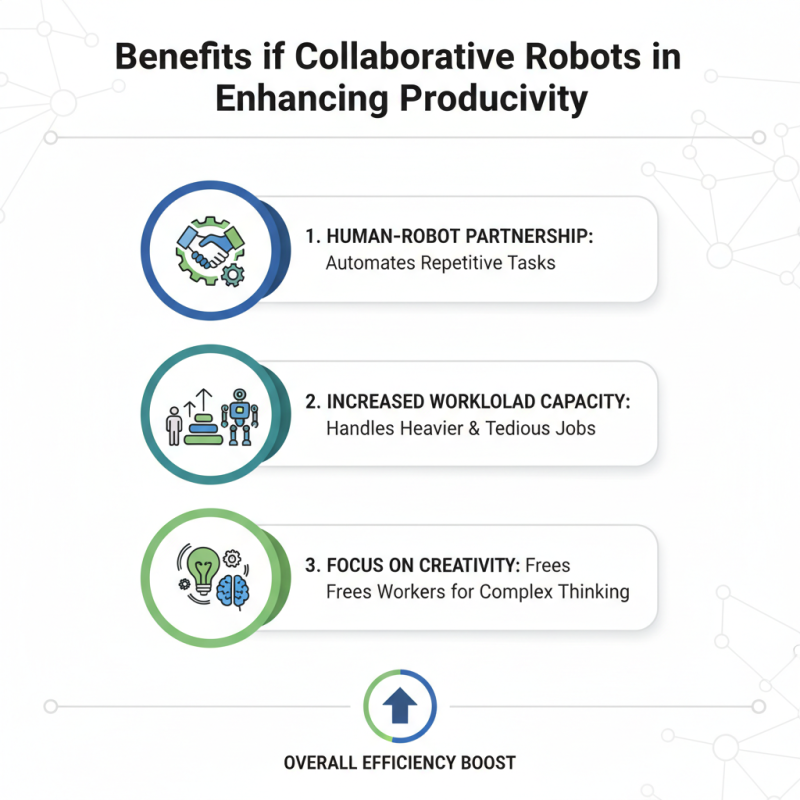
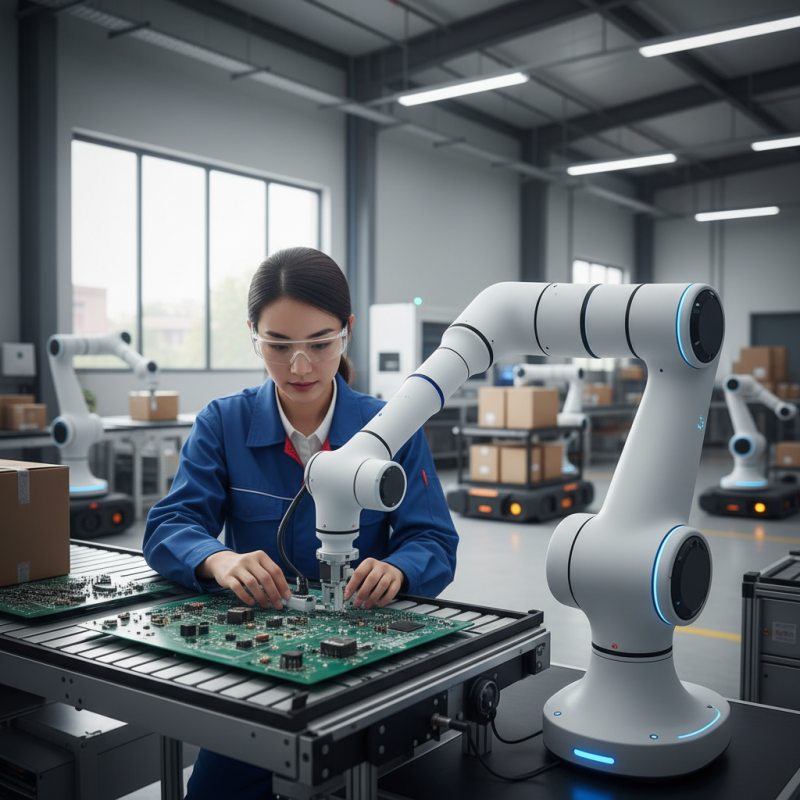
Collaborative robots, or cobots, are transforming the landscape of productivity in various industries. These robots work alongside humans, performing repetitive tasks and taking on the heavier workload. This partnership frees workers to focus on more complex and creative activities. As a result, overall efficiency can significantly increase.
Many businesses report heightened productivity after integrating cobots. For instance, assembly lines benefit from their precision in tasks like sorting and packing. This ensures a smoother workflow and reduces errors. Employees can redirect their energy towards problem-solving and innovation. However, some workers express concerns about job displacement. It’s essential to address these feelings and provide training for those affected.
The adaptability of collaborative robots adds to their appeal. They can be easily programmed for different tasks as production needs shift. Nevertheless, this flexibility comes with a learning curve. Companies must invest time in understanding how to best utilize these technologies. Regular assessments of their impact can help refine processes and enhance productivity further while keeping employee satisfaction high.
Cost Savings Through the Integration of Collaborative Robots
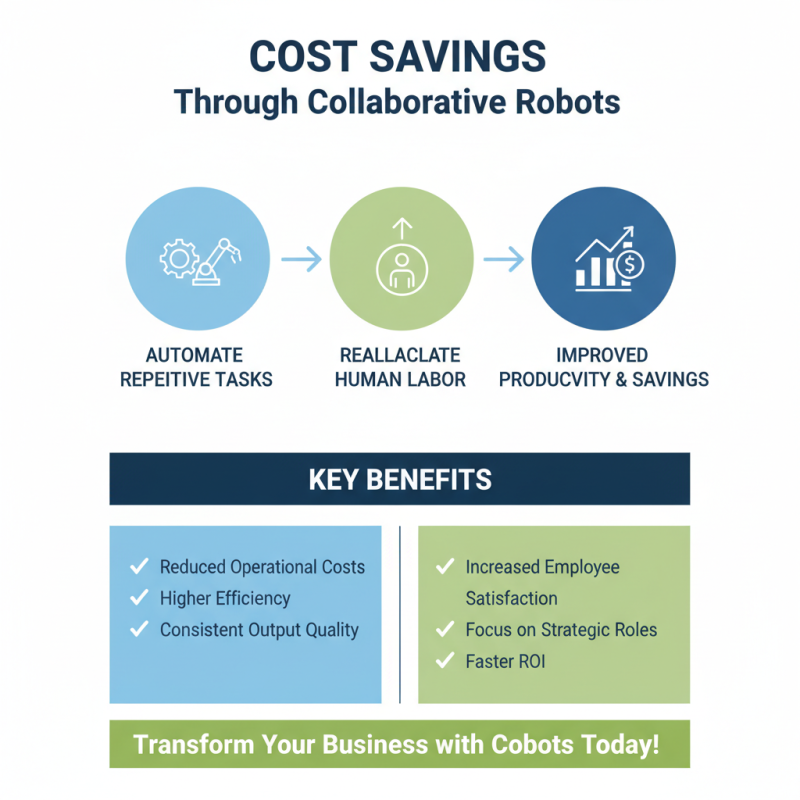
The integration of collaborative robots, or cobots, into business operations has become increasingly popular. These robots offer substantial cost savings, which can be a game changer for many companies. By automating repetitive and mundane tasks, businesses can reallocate human labor to more strategic roles. This shift often leads to improved productivity and higher employee satisfaction.
Implementing cobots is often more affordable than traditional industrial robots. They require less upfront investment and simplified setup. Additionally, cobots typically have lower maintenance costs. This makes them accessible for small to medium-sized enterprises, empowering them to compete with larger organizations.
Tip: When considering cobots, assess tasks that could benefit from automation. Start small to gauge effectiveness and gradually expand usage.
While the benefits are clear, some businesses may struggle with the integration process. Employee training is crucial to fully leverage cobot capabilities. Additionally, some teams may resist the change. Addressing concerns proactively can lead to smoother transitions and better outcomes.
Tip: Provide comprehensive training sessions that emphasize how cobots enhance employee roles. Encourage feedback to foster an inclusive environment.
Improved Safety in Work Environments with Collaborative Robotics
Collaborative robots, or cobots, are revolutionizing workplace safety. They work alongside human employees without the need for cages or barriers. This integration leads to fewer accidents and injuries. Cobots can help lift heavy objects, reducing the risk of strain injuries.
**Tips:** Train staff on how to interact with cobots. This ensures smooth operations and enhances safety.
With cobots, tasks become safer and more efficient. They can take over repetitive tasks, allowing human workers to focus on complex jobs. However, the transition requires careful planning. Companies might encounter resistance from employees fearing job loss. Addressing these fears is crucial for success.
**Tips:** Engage employees in the implementation process. Their insights can help improve safety protocols and overall acceptance.
While cobots improve safety, they also highlight the need for ongoing evaluation. Are employees adapting to this technology? Gathering feedback is essential to refining roles and responsibilities. Balancing human skills with automation can create a safer workplace.
Benefits of Collaborative Robots for Businesses
The following chart illustrates the various benefits that businesses can achieve by implementing collaborative robots (cobots) in their work environments. The data includes improved safety, increased productivity, cost savings, and enhanced worker satisfaction.
Flexibility and Scalability Offered by Collaborative Robots
Collaborative robots, or cobots, bring remarkable flexibility to businesses. They can adapt to various tasks quickly. This is especially valuable in industries with changing demands. For instance, during peak seasons, cobots can scale up production. They work alongside human operators, enhancing efficiency without overwhelming the workforce.
The scalability of collaborative robots allows for easy adjustments. If a company needs to increase output, cobots can be reconfigured with minimal downtime. Unlike traditional robots, they do not require extensive programming or modifications. This adaptability reduces the overall costs associated with scaling operations. However, businesses must consider the initial investment and training required for effective integration.
While the benefits are evident, challenges exist. Companies may encounter resistance when introducing new technology. Employees might feel threatened by automation. Proper communication and training are crucial to alleviate these concerns.
A gradual rollout can help workers adjust. Embracing the flexibility and scalability of cobots presents an opportunity for growth but requires careful planning and thought.
Enhancing Workforce Efficiency and Job Satisfaction with Robots
Collaborative robots, or cobots, are transforming how businesses operate. They work alongside human employees, enhancing efficiency and job satisfaction. According to a report by McKinsey, businesses that adopt cobots experience a productivity increase of up to 30%. This boost comes as robots take over repetitive and mundane tasks. Employees can then focus on more complex, valuable activities, leading to a more fulfilling work environment.
Moreover, the implementation of cobots has shown to improve job satisfaction rates significantly. A survey by PwC revealed that 83% of workers felt less stressed when partnered with robots that assisted them. Employees appreciate the ability to delegate tedious tasks. It allows them to engage more with innovative projects. However, some workers may fear job displacement. It’s crucial for businesses to address these concerns through transparent communication and reskilling opportunities.
While cobots offer numerous advantages, careful consideration is needed. Not all industries may see the same benefits. Some processes may take time to integrate effectively. Continual assessment of workflows can reveal areas for improvement. Data shows that companies investing in employee training alongside cobot integration report better outcomes. Finding the right balance can yield powerful results for both efficiency and workplace morale.
What are the Benefits of Collaborative Robots for Businesses? - Enhancing Workforce Efficiency and Job Satisfaction with Robots
| Benefit |
Description |
Percentage of Businesses Reporting Benefit |
| Increased Productivity |
Collaborative robots work alongside human employees, increasing overall efficiency by handling repetitive tasks. |
65% |
| Enhanced Safety |
Robots assist in hazardous tasks, reducing workplace injuries and ensuring a safer environment. |
70% |
| Cost Savings |
By automating repetitive processes, businesses can reduce labor costs and minimize errors. |
60% |
| Improved Job Satisfaction |
Employees can focus on more meaningful work, leading to higher job satisfaction and morale. |
75% |
| Flexibility in Operations |
Collaborative robots can be reprogrammed for different tasks, allowing businesses to adapt quickly. |
55% |