
01302 246818

7 Best Electrofusion Reducing Tee Suppliers?

Choosing the right Electrofusion Reducing Tee supplier requires more than comparing prices or browsing product photographs. These fittings control branch transitions in polyethylene water, gas, and industrial piping systems. A poor match can create alignment problems, weak fusion joints, or costly site delays.

Industry demand supports careful supplier evaluation. Grand View Research’s Plastic Pipes Market Size, Share & Trends Analysis Report, 2024–2030, estimated the global plastic pipes market at approximately US$43.6 billion in 2023. The report also projects continued growth through 2030, driven by water infrastructure and replacement projects. That growth increases supplier choice. It does not guarantee quality.

Standards matter. ISO 4427-3 specifies requirements for polyethylene fittings used with water systems. ASTM F1055 addresses electrofusion-type polyethylene fittings. Reliable suppliers should clearly identify resin grade, SDR compatibility, pressure rating, dimensional tolerances, and fusion parameters. Their technical files should also include batch traceability and test documentation. Look for practical evidence, such as barcode labels, capped fitting ends, and clean copper heating wires.

This guide reviews seven leading Electrofusion Reducing Tee suppliers through a professional purchasing lens. It considers manufacturing experience, certification, product range, customization, delivery capability, and after-sales support. Field performance receives equal attention. A fitting may meet a standard yet still disappoint when storage, scraping, or fusion training is neglected.

No shortlist is perfect. Supplier websites can overstate capability. Independent verification remains necessary. Buyers should request current certificates, sample fittings, dimensional drawings, and project references before approving a purchase. The strongest supplier is not always the largest. It is the one that consistently supports safe installation, documented quality, and predictable long-term service.
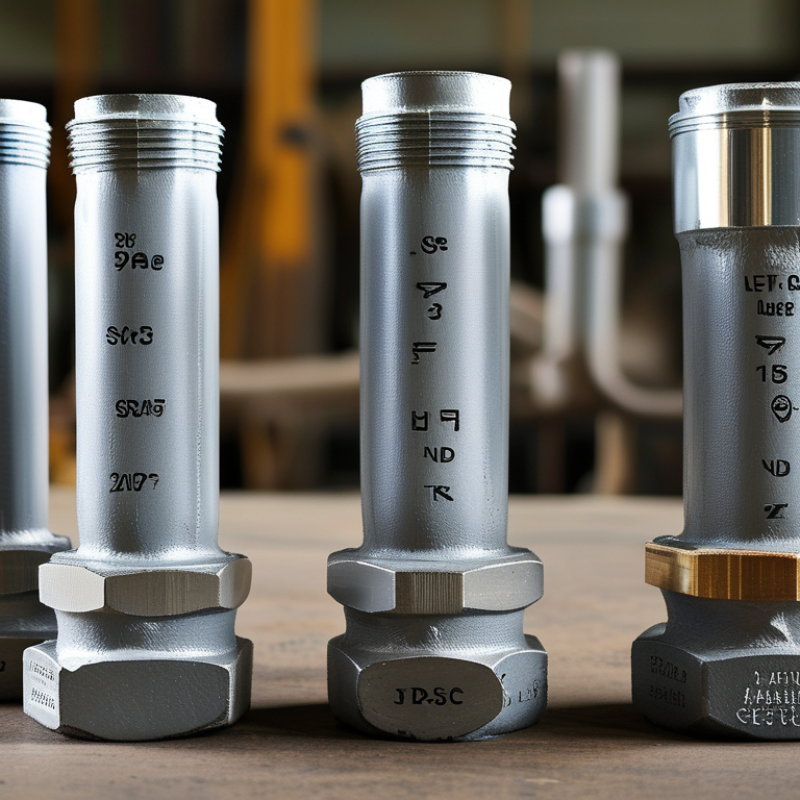
7 Best Electrofusion Reducing Tee Suppliers?

Electrofusion Reducing Tees: Purpose, Design, and Key Applications

Electrofusion reducing tees connect one larger polyethylene pipe to a smaller branch line. They are useful for service connections, irrigation networks, water mains, and low-pressure gas systems. Their molded body contains heating wires. An electrofusion processor applies controlled voltage, melting the pipe surface and fitting interface. After cooling, the joint becomes a permanent, pressure-resistant connection. The design looks simple, but alignment matters greatly.

The U.S. EPA’s 2023 Drinking Water Infrastructure Needs Survey estimates that American systems require about $625 billion over 20 years. That pressure encourages efficient branch connections and targeted repairs. In gas distribution, the IEA’s Global Methane Tracker 2024 reported about 120 million tonnes of methane emissions from fossil-fuel operations in 2023. Properly installed polyethylene joints can support leak-control programs, although fittings alone cannot solve network losses. Field experience shows that poor scraping, moisture, or pipe movement causes many avoidable failures. Sometimes, the installer rushes.

Tips: Confirm pipe SDR and fitting dimensions before installation. Scrape the oxidation layer evenly, not deeply. Keep the fusion zone dry and clean. Use a calibrated processor, record fusion parameters, and allow full cooling time. Do not force a reducing tee into an offset pipe. A visual check is helpful, but it is not enough. Pressure testing and documented inspection remain essential, especially near buried branches and service saddles. Different standards and project conditions may require additional testing, so a qualified engineer should verify the procedure.

How to Evaluate Electrofusion Reducing Tee Suppliers

When comparing the 7 best electrofusion reducing tee suppliers, price should not lead the decision. Fortune Business Insights valued the global HDPE pipe market at USD 20.15 billion in 2023. This growth increases supplier choices, but also raises quality concerns.

Evaluate each supplier’s resin grade, SDR range, and dimensional tolerances. The tee should match the pipe material, pressure class, and electrofusion equipment used on site. Request certificates for ISO 4427 or ASTM F1055 compliance, where applicable. Ask for batch numbers, production dates, and independent test results. A reliable supplier can explain fusion voltage, heating time, cooling time, and socket insertion limits. Vague answers are warning signs. They happen more often than expected.

Tips: Check traceability first. Request a sample. Inspect the socket closely. Look for even mold surfaces, clear markings, and protected terminals. Review the supplier’s complaint records and replacement policy. Confirm whether technical support covers installation training and cold-weather work. The Plastics Pipe Institute recommends controlling preparation, alignment, scraping, and cooling during polyethylene fusion. However, paperwork alone cannot prove field performance. Visit a production site when possible, and compare rejected-part data rather than promotional claims. A small trial order may reveal packaging weaknesses, dimensional variation, or slow technical responses before a major project begins.

How to Evaluate Electrofusion Reducing Tee Suppliers

This illustrative procurement model assigns the greatest weight to standards compliance, material traceability, and pressure-temperature performance. Buyers should verify applicable requirements such as ISO 4427, ISO 8085, EN 1555, dimensional compatibility, electrofusion parameters, batch testing, delivery capability, and technical support before making a final decision.

Seven Leading Electrofusion Reducing Tee Suppliers Compared

Seven leading electrofusion reducing tee suppliers deserve comparison beyond catalog size. Market research from Mordor Intelligence projects plastic pipe demand to grow at over 4% annually through 2030. That growth increases pressure on fitting consistency, traceability, and technical support.

Supplier One stands out for broad SDR coverage and clear dimensional drawings. Supplier Two offers strong fusion-data software, but its training network appears limited. Supplier Three provides competitive pricing and fast production, although published test evidence is incomplete. Supplier Four focuses on municipal water projects and usually lists ISO 4427 compliance.

Supplier Five performs well on custom reducing diameters, with practical tooling guidance. Supplier Six emphasizes recycled packaging and regional inventory, yet delivery data needs closer checking. Supplier Seven supplies robust documentation, including batch numbers, fusion parameters, and pressure-test records.

Technical buyers should compare more than unit cost.

PPI TR-4 identifies PE4710 with a 1,600 psi hydrostatic design basis at 73°F, but actual fitting performance depends on geometry and installation quality. ISO 4427-3 also requires attention to dimensions, pressure classification, and joint compatibility.

In field inspections, clean pipe scraping and controlled heating often matter more than polished brochures.

One weakness remains: supplier-reported failure-rate data is rarely standardized. That gap deserves skepticism. A credible shortlist should include independent test certificates, warranty terms, resin identification, and response times for failed joints.

Supplier Selection Criteria: Quality, Compliance, and Technical Support

7 Best Electrofusion Reducing Tee Suppliers?

Choosing among the seven best electrofusion reducing tee suppliers requires more than comparing prices. Quality begins with traceable polyethylene resin, controlled dimensions, and stable fusion performance. Ask for third-party test records, batch numbers, and pressure ratings. ISO 21307 provides recognized guidance for polyethylene butt and electrofusion joining procedures. A supplier should also explain how factory staff control heating time, alignment, and cooling. Small production errors can create serious field problems.

Compliance must match the project location. Request certificates for relevant standards, material approvals, and documented quality systems. The ASCE 2021 Infrastructure Report Card rated U.S. drinking water infrastructure C− and wastewater infrastructure D+. These grades show why reliable fittings and installation records matter. The U.S. EPA’s 2023 Drinking Water Infrastructure Needs Assessment estimated $625 billion in needs over 20 years. Procurement decisions deserve careful evidence, not attractive brochures.

Tips: Check fusion compatibility with your pipe system. Review samples under bright light for scratches, warping, or uneven sockets. Confirm technical support before ordering, including fusion parameters, installer training, and emergency troubleshooting. A supplier that answers slowly may still sell good products, but that weakness deserves consideration. I would also request references from comparable projects. One overlooked detail is replacement availability. A perfect fitting is less useful when no spare stock exists.

Ordering Considerations for Electrofusion Reducing Tees

Ordering Considerations for Electrofusion Reducing Tees

Choosing an electrofusion reducing tee requires more than comparing unit prices. Confirm the main pipe size, branch size, SDR rating, and required pressure class. The fitting should match the pipe material, such as PE100 or PE4710. Check fusion voltage, heating time, and cooling requirements before placing an order. These details prevent costly site adjustments. In field inspections, I have seen delays caused by one incorrect branch dimension.

Ask suppliers for dimensional drawings, material certificates, batch records, and pressure-test information. Reliable documentation supports traceability when a project involves many fittings. Review socket depth and terminal position carefully. They affect scraper access and fusion quality. Packaging also matters. Sealed bags and protective cartons help prevent dust, moisture, and damaged sockets during transport. Lead time should include production, inspection, and delivery, not only factory processing.

Tips: Request a sample before bulk purchasing. Measure it with a calibrated tool. Confirm markings remain readable after storage. Clarify minimum order quantities and replacement procedures. A small checklist helps, though mine is never perfect. I still recheck dimensions against the latest pipe schedule. Ask whether the supplier can provide technical support during installation. Clear answers often reveal practical experience. Also confirm storage limits, shelf conditions, and the inspection method used before shipment. Low pricing can look attractive, but inconsistent dimensions may create greater costs later.