2026 Top Automation Systems What to Expect and Trends?
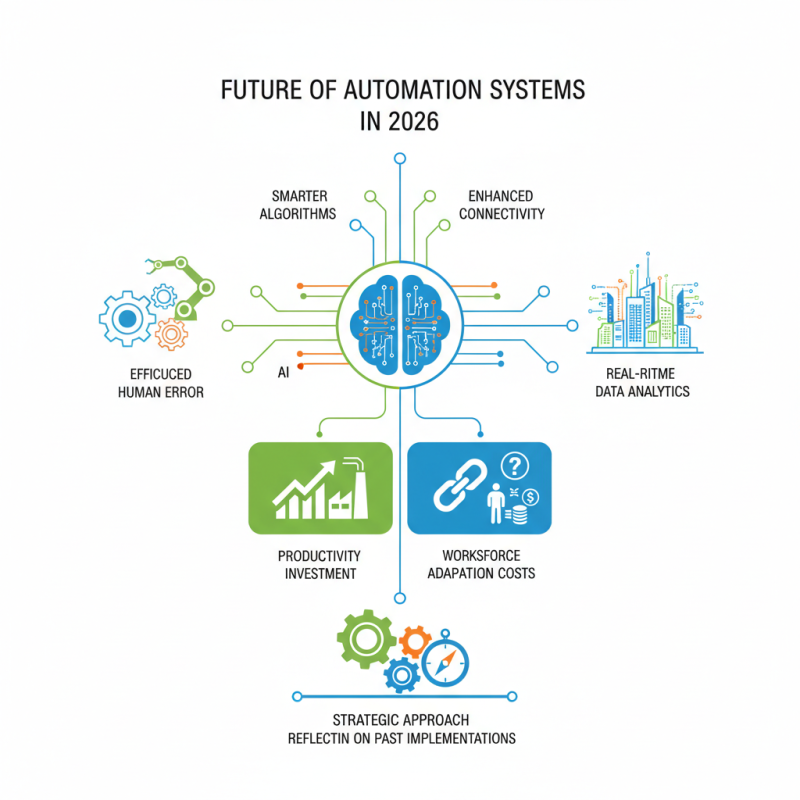
As we approach 2026, the landscape of automation systems is rapidly evolving. Companies are investing in advanced technologies. These systems promote efficiency and reduce human error. Expectations for automation systems include smarter algorithms and enhanced connectivity.
Trends such as AI integration will reshape industries. Real-time data analytics is becoming a key feature. Businesses recognize that automation can drive productivity. However, challenges remain, like workforce adaptation and technology costs.
Some organizations struggle to implement these systems effectively. Misalignment between automation goals and operations can lead to failures. As we look ahead, it’s vital to balance innovation with a strategic approach. Reflecting on past implementations could guide future success in automation systems.
Future Advancements in Automation Technology by 2026
The automation landscape is evolving rapidly. By 2026, we can expect significant advancements in technology. According to a recent report by Fortune Business Insights, the global automation market is projected to grow to $500 billion. This growth reflects a strong demand for efficiency and cost-effective solutions in various industries.
New innovations will focus on artificial intelligence and machine learning. These technologies improve decision-making processes and streamline operations. Many industries will benefit, especially manufacturing and logistics. Reports suggest that these sectors will see a 30% increase in productivity due to advanced automation systems.
Tip: Stay updated on emerging trends. Subscribing to industry publications can provide valuable insights.
Challenges remain, though. Adoption can be slow, as some companies struggle with implementation. Resistance to change and lack of skilled workers often hinder progress. It’s essential to address these issues early to maximize the benefits of automation.
Tip: Facilitate training programs. Invest in employees to help them adapt.
The future is promising, but the path is not without obstacles. Businesses must navigate these challenges carefully to thrive in a more automated world.
Key Automation Trends Impacting Various Industries
The automation landscape is rapidly evolving, with numerous trends impacting various industries. A recent report from the International Federation of Robotics highlights that global robot sales increased by 20% in 2021. This trend is projected to continue, with an anticipated annual growth rate of 12% through 2026. Industries such as manufacturing, logistics, and healthcare are leading the charge in adopting automation technologies. In manufacturing alone, 70% of companies intend to invest in automation by 2025.
Artificial Intelligence (AI) is a key driver in this automation wave. It streamlines processes and enhances decision-making efficiency. According to McKinsey, organizations using AI in their operations can see productivity increases of up to 40%. However, challenges exist. Many companies struggle to integrate AI effectively into existing systems. Resistance to change from the workforce complicates matters as well. Adapting to new technologies isn’t always a smooth journey.
Moreover, automation raises concerns about job displacement. While some roles may vanish, new ones will emerge. A report from the World Economic Forum suggests that by 2025, 85 million jobs may be displaced by technology, but 97 million new roles will be created. Navigating this transition requires thoughtful strategies to reskill workers. Balancing innovation and workforce welfare is crucial. Organizations must approach automation with caution and reflection.
2026 Top Automation Systems: Key Trends Impacting Various Industries
| Industry |
Key Automation Trend |
Impact Level (1-5) |
Expected Adoption Rate (%) |
| Manufacturing |
Robotic Process Automation (RPA) |
5 |
85% |
| Healthcare |
AI-Powered Diagnostics |
4 |
75% |
| Retail |
Automated Inventory Management |
4 |
70% |
| Finance |
Blockchain for Transactions |
5 |
65% |
| Transportation |
Autonomous Vehicles |
5 |
60% |
Integrating AI and Machine Learning into Automation Systems
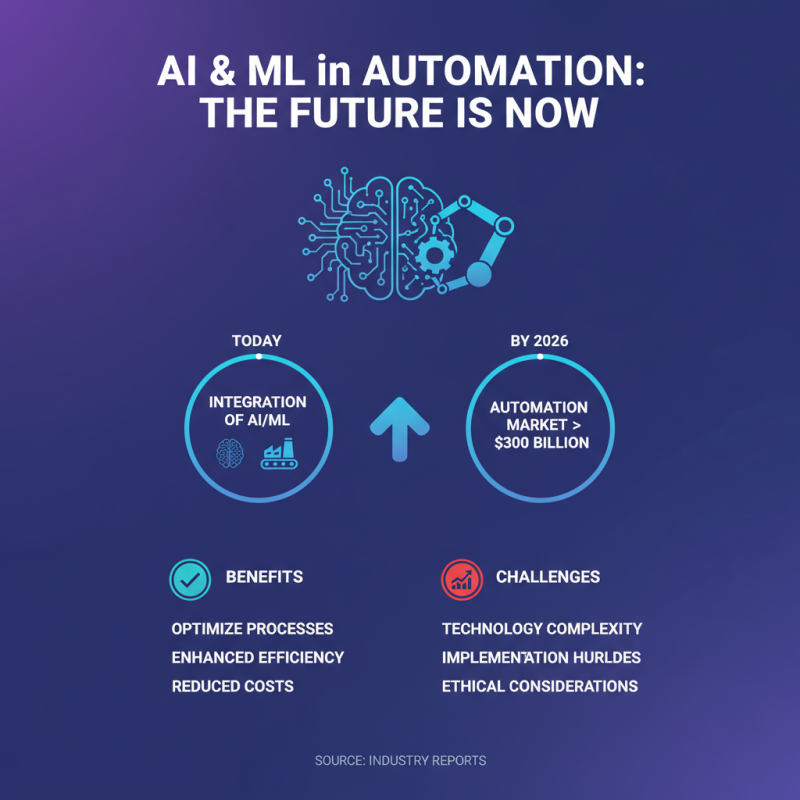
The integration of AI and machine learning into automation systems is transforming industries. By 2026, the automation market is expected to exceed $300 billion, as indicated by recent industry reports. Companies are increasingly relying on smart algorithms to optimize processes. These advancements can enhance efficiency and reduce costs, but the technology is not without its challenges.
Data shows that about 70% of organizations believe AI will significantly impact their operations. However, implementing these systems requires careful consideration and training. Many teams struggle with data quality issues. Inaccurate data can lead to flawed decisions. Moreover, machine learning models may inadvertently develop biases, necessitating ongoing oversight and adjustment.
As businesses strive for seamless integration, a gap often emerges between expectations and reality. The rapid evolution of technology means that what works now may soon become obsolete. Organizations need to remain adaptable and open-minded. Continuous learning and iteration will be essential for harnessing the full potential of AI-driven automation.
The Role of Robotics in the 2026 Automation Landscape
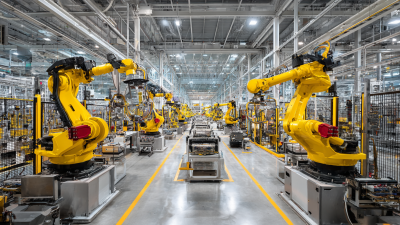
In the evolving landscape of automation, robotics will play a crucial role by 2026. We can expect to see robots becoming more integrated into various industries. They will perform tasks with precision and speed. However, the reliance on robotic systems may lead to significant challenges. For instance, potential job displacement could spark heated debates in society.
Moreover, the effectiveness of robots depends on advanced machine learning algorithms. While improvements are expected, these systems can still make errors. Humans must remain vigilant to address mistakes in real-time. Additionally, creating an environment that fosters collaboration between humans and robots is essential. Finding the right balance between efficiency and human touch will be a key focus area.
As we move forward, ethical considerations cannot be overlooked. The implications of widespread robotic adoption bring questions. Will individuals feel threatened by machines? Can we trust robots with critical decision-making? Reflecting on these issues will be vital for a smoother transition into this new era of automation.
Challenges and Opportunities in Adopting Automation Solutions
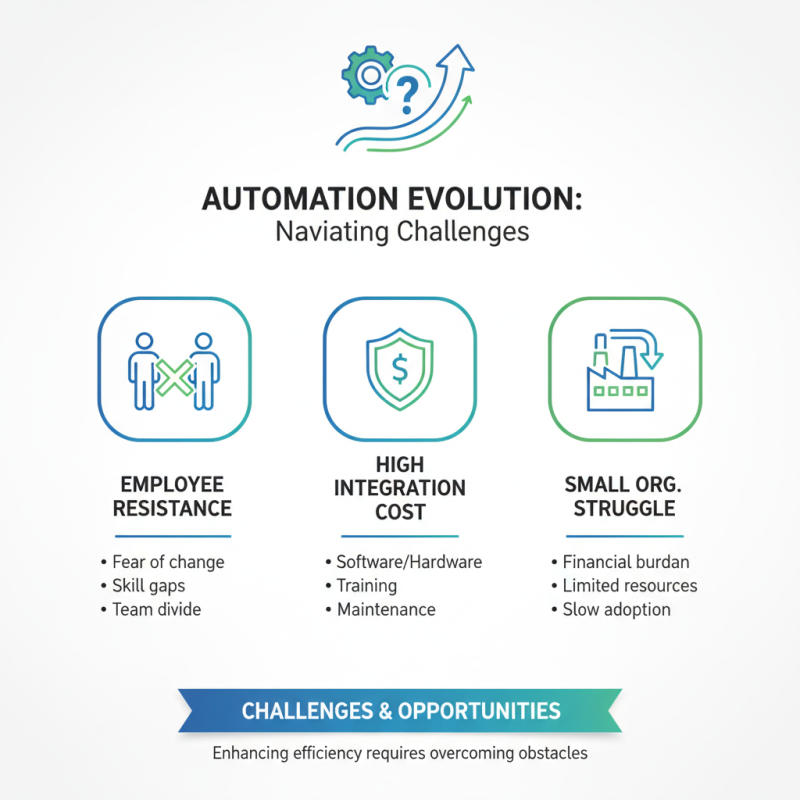
The landscape of automation is rapidly evolving, presenting both challenges and opportunities. As businesses strive to enhance efficiency, there are obstacles to overcome. For instance, not all employees are ready to embrace new technologies. This resistance can create a divide between teams, slowing down implementation. Furthermore, the cost of integrating advanced automation can be significant. Smaller organizations may struggle with the financial burden, making them hesitant to adopt these solutions.
Yet, the benefits are undeniable. Automation can lead to increased productivity and reduced human error. By optimizing routine tasks, teams can focus on strategic initiatives. However, there is a need for careful planning. Organizations must ensure their workforce is equipped with the necessary skills. Training programs can help bridge the skill gap, but they require time and investment. Companies need to consider whether they are prepared to make this commitment.
Finally, it's essential to recognize that not every automated solution will succeed. Many initiatives may face setbacks due to poor alignment with business goals. Reflecting on past adoption failures can guide future efforts. Organizations must remain agile and willing to pivot. The key is not just about technology adoption, but creating a culture that fosters innovation and adaptation.