2026 Best Robotics Automation Trends Shaping the Future of Industry?
As the landscape of industry evolves, robotics automation stands at the forefront of this transformation. Experts predict that the adoption of these technologies will redefine productivity and efficiency. Renowned industry leader Dr. Emily Chen states, "Robotics automation is not just about machines; it's about reshaping how we work." Her insight highlights a crucial point: while technology evolves, so must our approach to it.
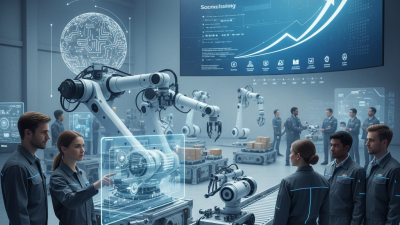
The trends of 2026 will emphasize collaboration between humans and machines. Robots are increasingly designed to work alongside people, enhancing tasks rather than replacing them. This collaborative spirit could lead to increased innovation. However, we must reflect on the implications. What happens to jobs that become obsolete? The balance between increased output and job displacement raises ethical questions.
Additionally, the integration of advanced robotics automation in various sectors demands a reevaluation of current skills. Companies must invest in training to equip their workforce. The future holds promise, but also challenges. The path forward requires careful consideration of the human element in this technological revolution.
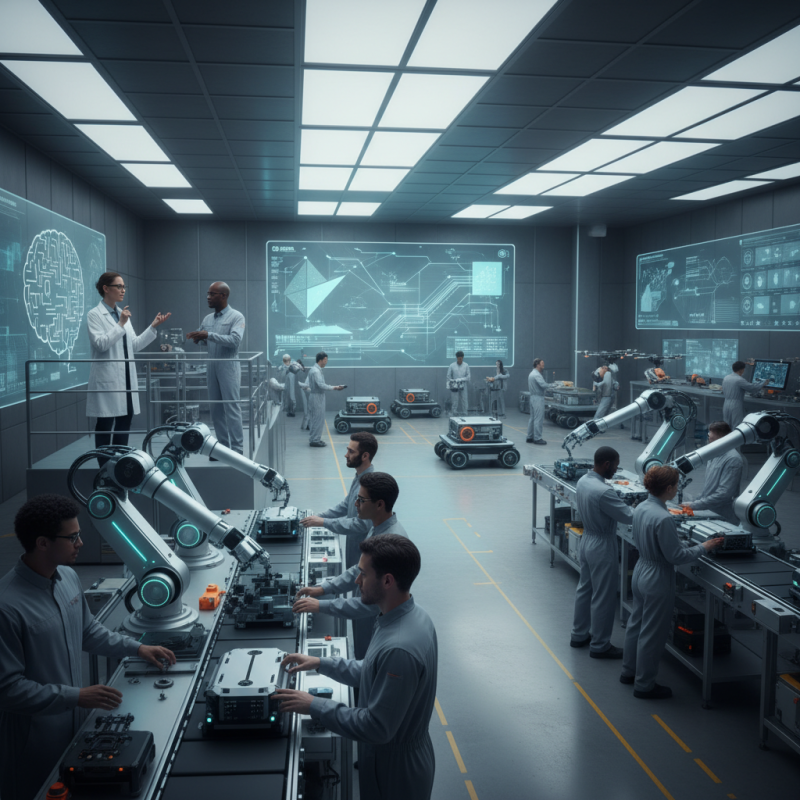
Emerging Robotics Technologies Transforming Industrial Automation
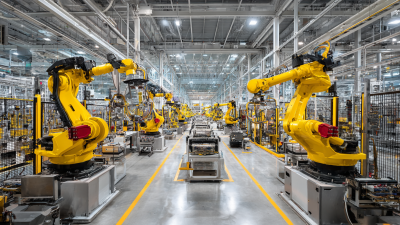
Emerging robotics technologies are reshaping industrial automation in significant ways. According to a recent market report, the global industrial robotics market is expected to grow from $49.5 billion in 2021 to nearly $70 billion by 2026. This growth highlights the increasing reliance on automation for efficiency and productivity.
Collaborative robots, or cobots, are at the forefront of this trend. Unlike traditional robots, they work safely alongside human workers. Their use can increase productivity by up to 25%. This technology illustrates how industries can enhance operations and empower workers. However, there are challenges. Implementing cobots requires changes to workflows and employee training. Companies may struggle to balance integration with employee adaptability.
Another noteworthy development is the rise of AI-driven robots. These robots analyze data in real time, allowing for predictive maintenance and reducing downtime. A recent study indicates that AI-enhanced automation can lead to a cost reduction of 30% in manufacturing processes. Yet, there are concerns around job displacement and data security. Not all industries are ready for this shift, and many must rethink their approaches. The path ahead is not without obstacles, and re-evaluation remains essential for success.
2026 Best Robotics Automation Trends Shaping the Future of Industry
Impact of Artificial Intelligence on Robotics in Industrial Settings
The integration of artificial intelligence in robotics is revolutionizing industrial settings. AI enhances robots' decision-making skills. They can analyze data in real-time, allowing greater efficiency. For example, predictive maintenance helps reduce downtime. Sensors on machinery collect and relay data. Robots can then schedule repairs before failures occur.
However, the reliance on AI also poses challenges. There can be a steep learning curve for workers. Some may feel threatened by automation. Job displacement is a legitimate concern. While AI improves operational speed, it may also create skills gaps. Training becomes essential, but resources are often limited.
The future depends on balancing technology and human work. Robots should complement human skills, not replace them. The aim is to create a harmonious workspace. Designing user-friendly interfaces is crucial. Workers need to feel confident in operating advanced systems. Industry leaders must consider these factors carefully as they embrace AI in robotics.
The Role of Collaborative Robots in the Future Workforce
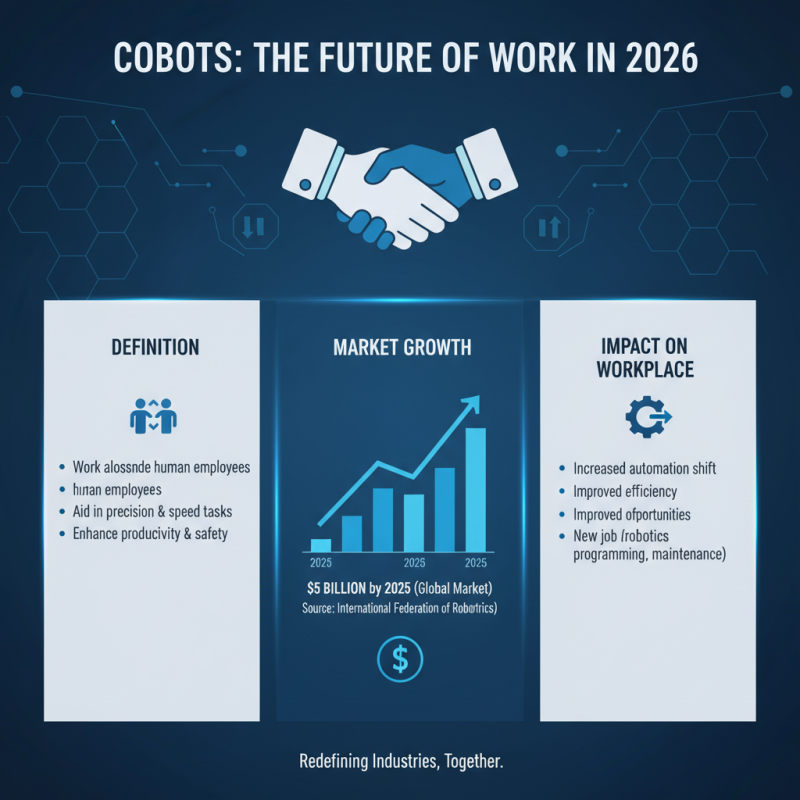
Collaborative robots, or cobots, are set to redefine the workplace in 2026. These robots are designed to work alongside human employees, aiding in tasks that require precision and speed. According to the International Federation of Robotics, the global market for collaborative robots is anticipated to reach $5 billion by 2025. This growth reflects the industry's shift toward automation.
In many sectors, cobots enhance productivity while ensuring safety. They can handle repetitive tasks in factories, allowing human workers to focus on complex activities. Yet, their increasing presence raises questions about job displacement. Some studies suggest that up to 20% of jobs could be affected by automation in the next decade. Communicating the benefit and impact is crucial for a smooth transition.
Implementing cobots does not guarantee success. Companies must invest time and resources in training employees. Many workers feel threatened by automation. Their concerns should be addressed to foster a collaborative environment. Balancing technology and human skills is essential. As we embrace this technological evolution, reflection on workforce adaptability becomes vital.
Advancements in Robotic Process Automation for Business Efficiency
In 2026, robotic process automation (RPA) is expected to transform business operations dramatically. According to a recent report, RPA can increase efficiency by up to 40%. Companies are embracing this trend, as it allows them to reduce costs and streamline workflows. An estimated 75% of businesses plan to adopt RPA over the next few years. This shift is driven by the need for agility in rapidly changing markets.
While RPA provides significant benefits, challenges remain. Many companies face difficulties in integrating RPA with existing systems. Employees may resist automation, fearing job losses. A survey indicated that 44% of workers are skeptical about RPA’s impact on their roles. Moreover, there are concerns regarding data security and compliance when implementing automation tools. Companies need to address these obstacles to harness RPA's full potential effectively.
Sustainability Trends in Robotics: Eco-Friendly Solutions for Industry
The rise of robotics in industry is driving a shift towards sustainability. Eco-friendly automation solutions are becoming more common. Companies are looking for ways to reduce their carbon footprints. This trend is not just about efficiency; it’s also about responsibility.
Robots are being designed to use less energy and generate less waste. For example, lightweight materials make machines more efficient. Renewable energy sources power some robotic systems. Automated processes can also minimize material wastage in production. However, the recycling of robotic parts is still a challenge. There's a need for better systems to handle this issue.
Another area of focus is the lifecycle of robots. Many manufacturers are exploring how to build robots that last longer. This not only saves money but also reduces waste. Yet, many still overlook the importance of sourcing sustainable materials. Investing in greener technologies is often costly. Balancing cost and environmental impact remains a significant hurdle. Companies must constantly reevaluate their practices to drive progress.