
01302 246818

2026 Best ASTMF2357 RCA Paper Tape Abrasion Tester?

Choosing the right ASTMF2357 RCA Paper Tape Abrasion Tester requires more than comparing prices or cycle counts. Coating failure can appear as faint haze, color transfer, or a polished track after repeated contact. Those small marks matter on flexible packaging, labels, and finished consumer products. Grand View Research’s 2024 Flexible Packaging Market report estimated the global market at about US$271 billion in 2023, underscoring the scale of products whose printed surfaces must withstand handling. Market size alone does not prove a particular test is appropriate, though.

ASTM F2357 addresses abrasion resistance of inks and coatings on flexible packaging using a Sutherland rub tester. An RCA paper-tape test is a different setup; buyers should not assume the method name makes results interchangeable. Check the tester’s specified tape, applied load, sample mounting, cycle control, and failure endpoint. Small setup changes can alter the result. They can also make supplier comparisons misleading. ASTM International’s published method is the primary reference for confirming F2357 requirements; the equipment brochure is not a substitute for the standard.

For a 2026 purchase, ask vendors for calibration records, repeatability data, and a demonstration using your actual substrate and coating. Inspect the test path, too: tape alignment and consistent pressure are easy to overlook. A high cycle count looks reassuring. It is not enough. This guide compares practical features and evidence behind leading testers, while noting an important limitation: no single abrasion result predicts every real-world use condition.
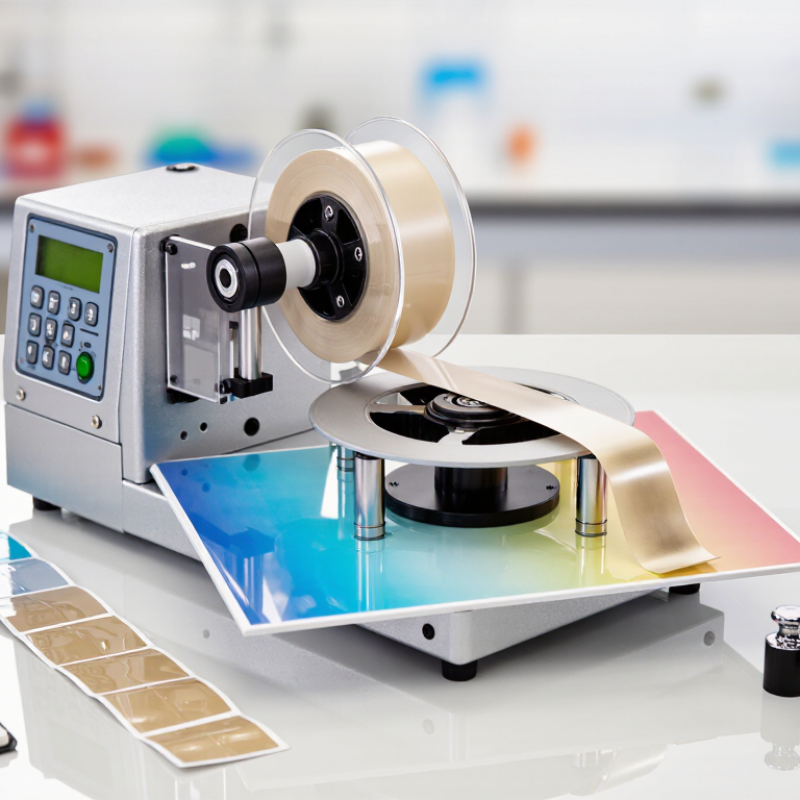
2026 Best ASTMF2357 RCA Paper Tape Abrasion Tester?

What Is the ASTM F2357 RCA Paper Tape Abrasion Tester?

What Is the ASTM F2357 RCA Paper Tape Abrasion Tester?

ASTM F2357 describes a method for assessing the abrasion resistance of ink or coatings on plastic substrates with an RCA abrader. The tester holds a specimen under a controlled load and presses its surface against paper tape wrapped around a rotating drum. As the drum turns, the tape rubs the sample repeatedly. The operator records the number of cycles until the specified wear endpoint appears, such as coating loss or exposed substrate. Small details matter. Load, tape type, specimen conditioning, and endpoint can all affect results. A cycle count is useful for comparison, but it does not predict exact product life in everyday use.

Tips: Keep the sample flat and clean. Record the load, tape, conditioning, and failure point. Follow the current standard’s procedure; changing one setting may make results difficult to compare. Even careful testing has limits, so note any visual judgment involved.

2026 Best ASTM F2357 RCA Paper Tape Abrasion Tester? - What Is the ASTM F2357 RCA Paper Tape Abrasion Tester?
Aspect Factual Description What to Check When Selecting a Tester
Purpose of ASTM F2357 ASTM F2357 is a test method for determining the abrasion resistance of ink and coating on printed materials using an RCA abrader. Confirm that the instrument and laboratory procedure are intended for the material and test method being evaluated.
How the test works The tester applies repeated abrasion to a mounted specimen under controlled test conditions. The test is commonly evaluated by the number of cycles completed before a defined failure endpoint. Look for controlled operation and a clear way to record cycle count and the chosen endpoint.
Test tape The tape is a test consumable and forms part of the abrasion setup. Tape type and condition can affect results, so the applicable method or laboratory procedure should define the material used. Check that tape specification, lot tracking, storage, replacement, and installation can be managed consistently. Do not assume all paper tapes are interchangeable.
Applied load The applied load is a controlled test condition. The required load should be taken from the applicable version of the method or the validated test procedure. Check how the load is set and verified, and document the selected value for each test. There is no single load that applies to every material or procedure.
Specimen mounting Printed specimens must be mounted securely and consistently so that the test area remains in the intended contact position during abrasion. Evaluate fixture compatibility with the specimen size and substrate, along with ease of alignment and repeatable mounting.
Cycle counting Cycle count is used to express how many abrasion cycles occurred before the defined endpoint. Results should be interpreted alongside the test conditions and endpoint. Check counter readability, reset operation, and whether the count can be recorded reliably during the test.
Failure endpoint The endpoint is the criterion used to decide when the ink or coating has reached the specified level of wear. A consistent endpoint is necessary for meaningful comparisons. Define the inspection method and endpoint before testing, and apply them consistently across specimens.
Repeatability and records Comparable results require consistent tape, load, specimen preparation, mounting, cycle counting, and endpoint assessment. Maintain records of test settings, consumable details, specimen identification, observations, and results.
Choosing the “best” tester A suitable tester is one that supports the required test setup and allows controlled, repeatable operation for the materials being assessed. Prioritize method compatibility, load control, specimen-fixture suitability, cycle-counting, documentation, and service support over an unsupported universal ranking.
Test conditions and equipment requirements should be confirmed against the applicable edition of ASTM F2357 and the laboratory’s validated procedure. This table is a general selection guide, not a substitute for the standard.

How the Tester Measures Surface Abrasion Resistance

2026 Best ASTM F2357 RCA Paper Tape Abrasion Tester: How the Tester Measures Surface Abrasion Resistance

An RCA paper tape abrasion tester evaluates how a printed or coated surface withstands repeated rubbing. The specimen is fixed on a stable platform. A paper tape loop contacts the surface under a controlled load. As the motor moves the tape, each stroke creates a consistent abrasion path. Operators record the number of cycles before visible wear appears. Some laboratories also inspect color loss, gloss change, exposed substrate, or image damage. This creates practical evidence instead of relying on touch alone.

Reliable testing depends on preparation. Condition the sample before testing, and keep temperature and humidity stable. Check the load, stroke movement, tape quality, and counter settings before each run. A clean mounting surface matters. Even a small wrinkle can change the contact pressure. Results should include sample details, cycle count, failure appearance, and test conditions. Comparing several specimens improves confidence.

Tips: Photograph the wear track after testing. Use the same lighting and viewing angle. Replace damaged tape promptly. Avoid pressing the sample by hand during inspection. The method is useful, but not perfect. Human judgment can affect the first visible failure point. Digital color measurement may reduce this variation, although it cannot remove every testing error. A thoughtful operator should question unusual results instead of accepting them immediately.

2026 Best ASTM F2357 RCA Paper Tape Abrasion Tester? How the Tester Measures Surface Abrasion Resistance

ASTM F2357 RCA abrasion testing evaluates how many tape-abrasion cycles a printed or coated surface withstands before visible wear, color loss, or substrate exposure occurs. A typical setup uses a controlled paper tape width of 12.7 mm, a 175 g applied load, and a defined reciprocating test motion. Higher cycle counts indicate greater surface abrasion resistance; the endpoint should be confirmed by visual inspection under consistent lighting.

Key Components and Operating Principles of the Instrument

A 2026 ASTM F2357 RCA paper tape abrasion tester uses controlled friction to examine surface durability. Its main components include a motorized drive, rotating tape drum, specimen holder, loading arm, counter, and control panel. The drum moves paper tape across the test surface at a regulated speed. A defined load presses the specimen against the tape. Each contact produces a repeatable abrasion cycle.

The specimen holder keeps the sample flat and aligned. Small positioning errors can change the contact area and affect results. The loading arm should move smoothly, without sudden pressure. A cycle counter records exposure until the coating shows wear, color loss, or another defined endpoint. Some laboratories also inspect mass change or surface gloss after testing. Clean tape guidance matters. Dust can increase friction and create misleading damage. Operators should condition samples, verify the load, and document tape type, speed, cycles, and endpoint judgment.

The method is useful, but not flawless. Different coatings may fail through scuffing, peeling, or gradual dulling. One visual endpoint cannot describe every failure mode. Experienced technicians therefore combine instrument readings with close surface observation. Calibration records and repeat tests improve confidence, especially when results appear unexpectedly different. During routine use, I would also check drum alignment and holder wear before trusting a comparison.

Step-by-Step Procedure for Conducting an RCA Abrasion Test

2026 Best ASTM F2357 RCA Paper Tape Abrasion Tester?

Step-by-Step Procedure for Conducting an RCA Abrasion Test

An RCA abrasion test measures how well printed or coated tape withstands repeated rubbing. Begin by conditioning the tape in a stable laboratory environment. Keep temperature and humidity consistent. Cut clean, straight specimens without touching the test area. Record the tape construction, coating direction, and sample identification.

Mount the specimen smoothly on the test platform. Wrinkles can create false failures. Install the specified abrasive medium and check that the roller moves freely. Set the required load according to the applicable ASTM F2357 procedure. Zero the counter before contact. Start the cycle and watch the rubbing path through the inspection window. Stop when the coating breaks, the print becomes unreadable, or the defined endpoint appears.

Repeat the test on several specimens. One result is rarely enough. Note the cycle count, load, abrasive condition, and visible damage. Photographing the endpoint can improve traceability. I have seen operators overlook slight edge lifting, which later changes the average. Alignment also deserves attention. A small offset may produce uneven wear. If results vary widely, inspect mounting pressure before blaming the tape. The tester may be accurate, but the setup may not be. Record every adjustment, including failed trials, because imperfect data often reveals the real source of variation.

How to Interpret Results and Select a Suitable Tester

A result from an ASTM F2357 RCA paper tape abrasion test is meaningful only when the test conditions are recorded. Note the applied load, tape type and lot, test speed, cycle count, and failure endpoint. A coating that survives 120 cycles in one setup may not outperform a 100-cycle result from another setup if the conditions differ. Small details matter.

Inspect the wear path under consistent lighting. Look for exposed substrate, color loss, gloss change, or a narrow scratch that breaks through the coating. Define the endpoint before testing; otherwise, two operators may report different cycle counts for the same panel. That is easy to overlook. Repeat runs help reveal variation, especially when the coating is uneven or the tape edge lifts.

When selecting a tester, check whether its load control, rotation, cycle counter, and specimen fixture suit your sample size and reporting needs. Verify that replacement tape is traceable and that setup instructions are clear. Ask how calibration and routine checks are performed. A simple, stable instrument can be more useful than extra features that your lab will not use. Still, the method cannot predict every field condition, and that limitation deserves attention.